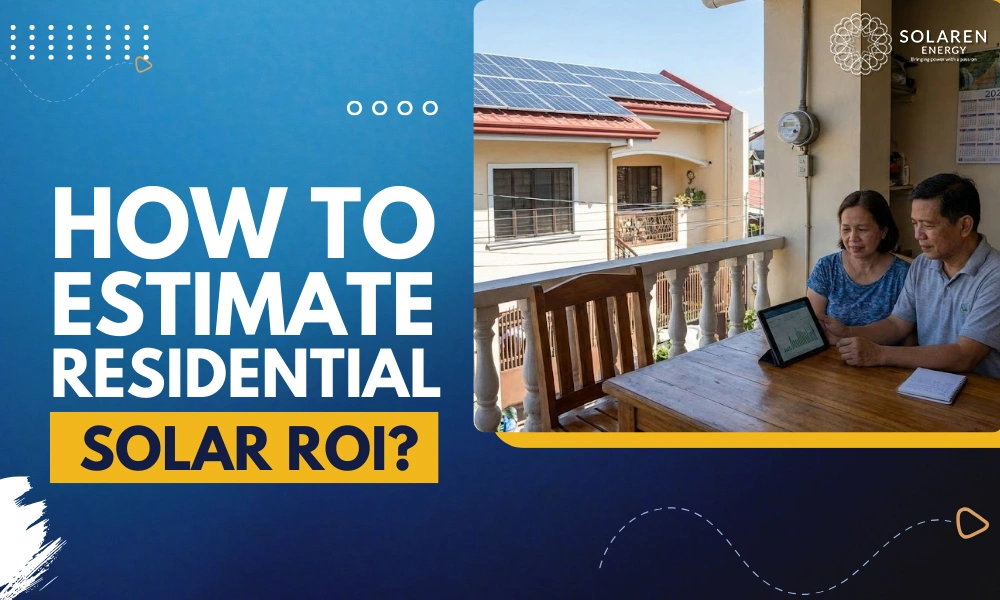
When people hear about solar power, they often imagine giant panels on factory roofs or commercial buildings. Yet residential solar is quietly becoming one of the most rewarding investments a Filipino homeowner can make. Energy prices keep climbing, the grid is under constant pressure, and the savings from generating your own power can easily surpass most traditional investments. The key is understanding what kind of return on investment, or solar ROI, you can realistically expect from a home system.
How Solar ROI Works for Home Solar Systems
The concept of ROI for solar is straightforward. You spend a certain amount to install a solar power system, and over time, the energy you generate reduces your electric bill until the savings equal your initial cost. After that point, the system continues producing free energy for many years.
In the Philippines, where electricity rates are among the highest in Asia, the breakeven point arrives faster than in most countries. A typical home in Luzon or the Visayas that consumes 600 to 800 kilowatt-hours a month can expect to pay back in less than 5 years. From there, every month’s savings go straight back into the household budget.
The Starting Point: System Cost and Size
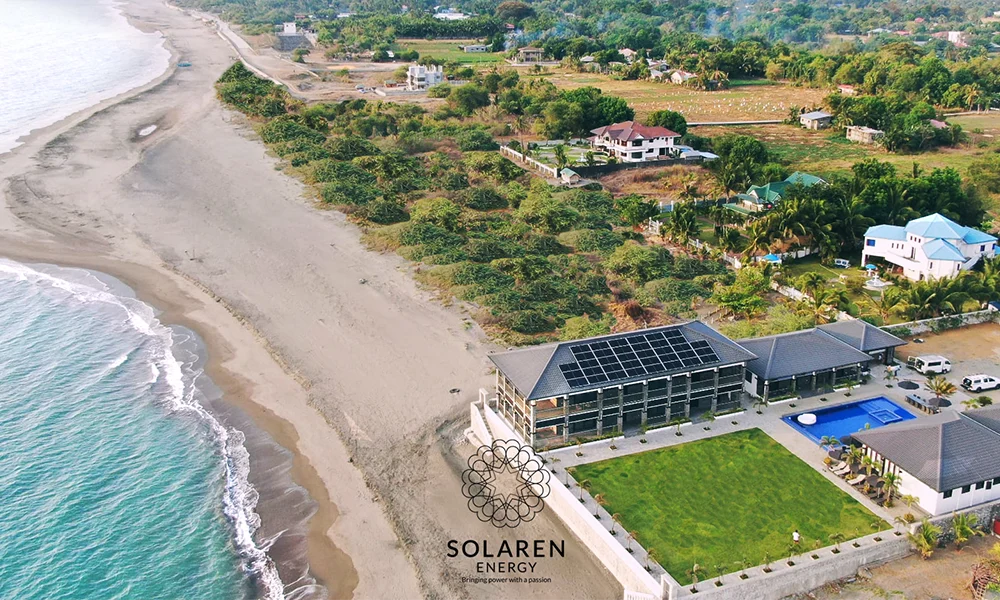
Most residential solar systems range from 3 to 10 kilowatts, depending on roof size and daily usage. Smaller households can start at around ₱250,000, while larger systems can reach ₱700,000 or more. Prices vary based on panel type, inverter quality, and mounting requirements.
Choosing quality equipment may slightly raise the upfront cost but increase lifetime output and reliability. Panels built with advanced cell technology, like bifacial or monocrystalline modules, generate more power per square meter and maintain efficiency longer. High-grade inverters from European or Japanese brands also ensure smoother performance in the country’s heat and humidity.
Real Numbers: A Simple ROI Example
Take a four-kilowatt system in a typical suburban home with a ₱14,000 monthly electric bill. The installation might cost around ₱320,000. Once the system goes live, it could reduce grid consumption by half, cutting bills to about ₱7,000 per month. That means ₱7,000 in savings every month, or roughly ₱84,000 a year.
At that rate, the homeowner recovers the initial cost in less than four years. Over a twenty-five-year lifespan, that same system could generate more than ₱2 million in avoided electricity costs. Even factoring in minor maintenance expenses, the annualized ROI easily exceeds 20 percent—better than most long-term deposits or investment funds.
How Net Metering Enhances Savings
Many homeowners qualify for the government’s net metering program, which allows you to export excess solar energy to the grid during the day and earn credits you can use at night. These credits directly reduce your next bill. For homes that generate more than they consume during daylight hours, net metering can shorten the payback period by several months each year.
Solaren has guided hundreds of clients through the application process, coordinating with local utilities such as Meralco and regional cooperatives. With proper documentation and compliant design, approval is usually straightforward, and credits appear automatically on the succeeding billing cycles.
Comparing Home and Commercial ROI
People sometimes ask why commercial solar panels seem to pay off faster than residential ones. The main reason is the usage pattern. Businesses consume more power during the day, which means they use nearly all the energy they generate. Homes, by contrast, may export a portion of their daytime production while family members are away, relying on net metering to offset the export.
Even so, residential solar remains highly competitive. While a factory might achieve payback in 3 to 4 years, homes generally reach breakeven in about 5 years. Once complete, the long-term gains are just as solid. Both sectors benefit from the same underlying advantage: every kilowatt-hour produced by solar is a kilowatt-hour not purchased from the utility.
Factors that Influence Your ROI
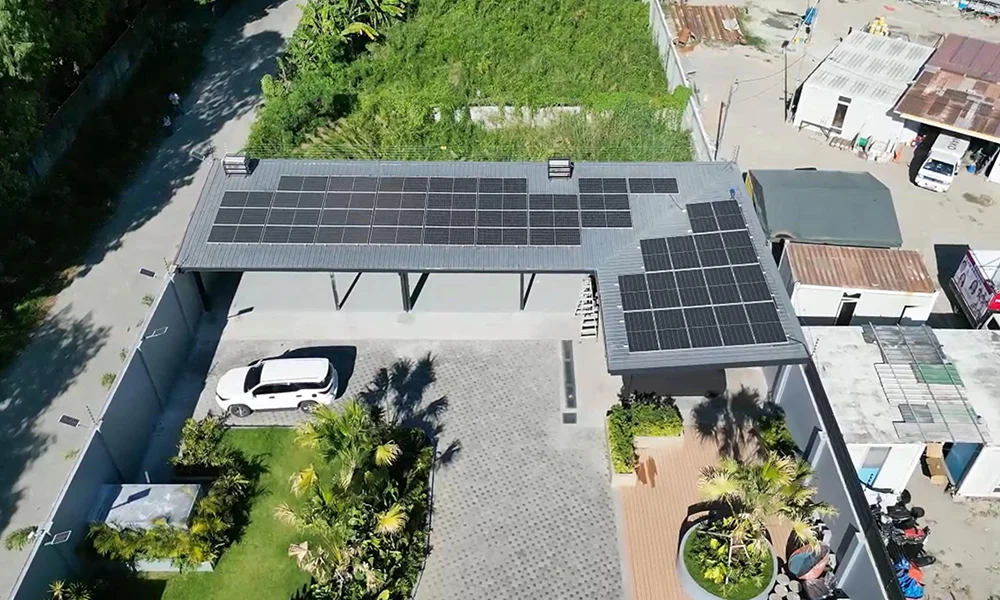
Your roof orientation and shading conditions play a big role. South-facing roofs with open exposure capture the most sunlight. Coastal homes can benefit from steady sun but must account for salt corrosion, which makes high-quality panels worth the premium.
Energy rates also matter. The higher your current tariff, the faster the return. Households in Metro Manila or island grids with expensive generation charges will often see ROI improve by several months simply because they save more with each avoided kilowatt-hour.
Finally, the reliability of your installer affects everything. A well-engineered solar power system operates close to predicted levels for decades, while poorly installed setups can lose efficiency within a few years. Choosing an experienced company like Solaren ensures accurate design, secure mounting, and reliable output data from day one.
Long-term Benefits Beyond Payback
Financial return is only part of the story. Homeowners who install solar can enjoy greater independence from fluctuating grid conditions. Brownouts become less disruptive, especially when paired with battery storage. Over time, the system increases property value and appeals to environmentally conscious buyers.
The environmental benefit is tangible, too. A five-kilowatt home system offsets roughly six tons of carbon dioxide each year, the same impact as planting about 250 trees annually. For families committed to sustainability, that alone makes the decision worthwhile.
Financing and Ownership Options
Not everyone can pay cash up front, and that’s perfectly fine. Philippine banks and green financing programs now offer solar loans with favorable terms. Monthly payments often match or fall below previous electricity bills, meaning homeowners can install solar without adding financial pressure. Once the loan is repaid, the savings become permanent.
Some homeowners opt for lease-to-own arrangements, while others include solar costs in housing loans for new construction. Solaren’s team helps evaluate each option, ensuring clients choose a plan that suits their energy profile and budget.
Maintenance and Monitoring
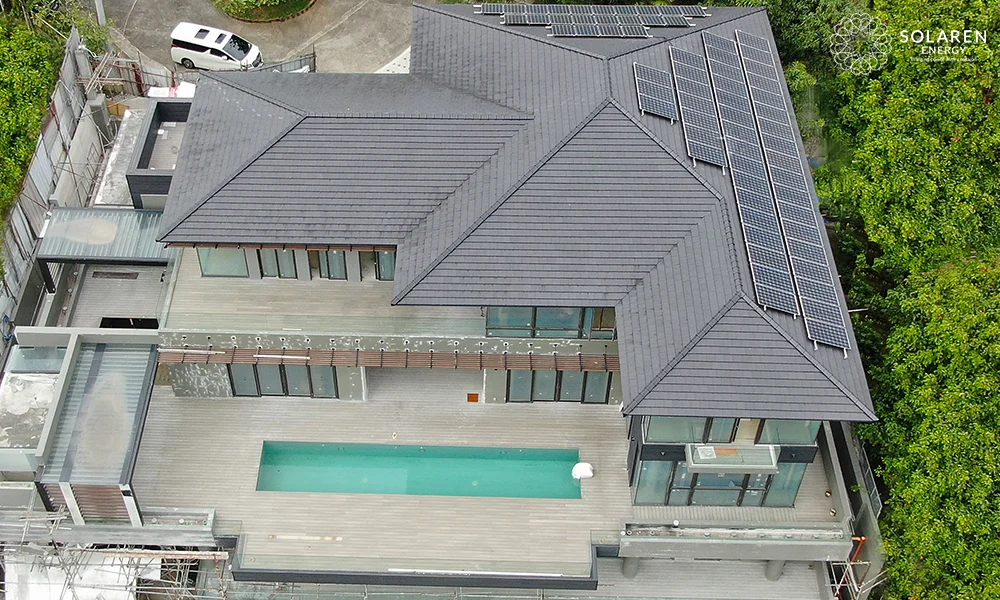
A well-installed solar system requires little attention, but a quick visual check once in a while keeps performance steady. Dust, leaves, or bird droppings can slightly reduce efficiency. Basic cleaning two or three times a year is usually enough. Solaren offers maintenance plans that include inspection, inverter testing, and performance monitoring, keeping systems running at peak capacity year after year.
The Payoff
In a country with abundant sunlight and rising electricity costs, solar power is no longer just an eco-friendly choice. It is a practical, high-yield investment that improves both comfort and financial stability. A properly designed residential system generates measurable savings, steady returns, and a sense of control over something most households have little say in—their electric bill.
For homeowners ready to make that shift, Solaren Renewable Energy Solutions Corporation provides complete design, installation, and after-sales support. With quality equipment, in-house engineers, and DOE accreditation, every Solaren project delivers dependable results that keep paying for decades.
The numbers prove it. Solar isn’t just about light from the sun; it’s about brightening your financial future with an investment that never stops working for you.