Why Solar Is Becoming a Core Business Decision
More companies across the Philippines are increasingly treating solar as a financial strategy rather than a technical upgrade. Ever-increasing electricity rates have inevitably forced businesses to look for ways to protect their profit margins and reduce their dependence on the grid. Solar energy solutions in the Philippines have reached a stage where the technology is ultra-mature. This is no longer “let’s test it to see if it works”. Returns are predictable, and risks are lower than ever. What used to feel experimental now feels like a practical step toward lowering operational costs.
Executives who once delayed the decision are now reassessing it. The conversation has shifted from “should we go solar” to “which system gives us the best returns and the most reliable performance.” The moment a company looks at solar through that lens, the logic becomes much clearer.
How Solar Helps Businesses Reduce Monthly Costs
The biggest driver for commercial and industrial clients is simple. Solar cuts daytime electricity costs. For companies that run long hours, that shift creates meaningful savings. Factories, cold storage facilities, logistics centers, hotels, and even farms see immediate benefits because their peak consumption typically occurs when the sun is out.
When businesses install a properly engineered commercial solar power system, they start generating a portion of their own electricity rather than buying it at full retail rates. In the Philippines, that difference is significant enough to make a consistent impact on cash flow. Over time, many companies discover that solar behaves like a fixed hedge. The system sits quietly on the roof, reducing exposure to grid price volatility.
Real Examples of Businesses Cutting Their Bills
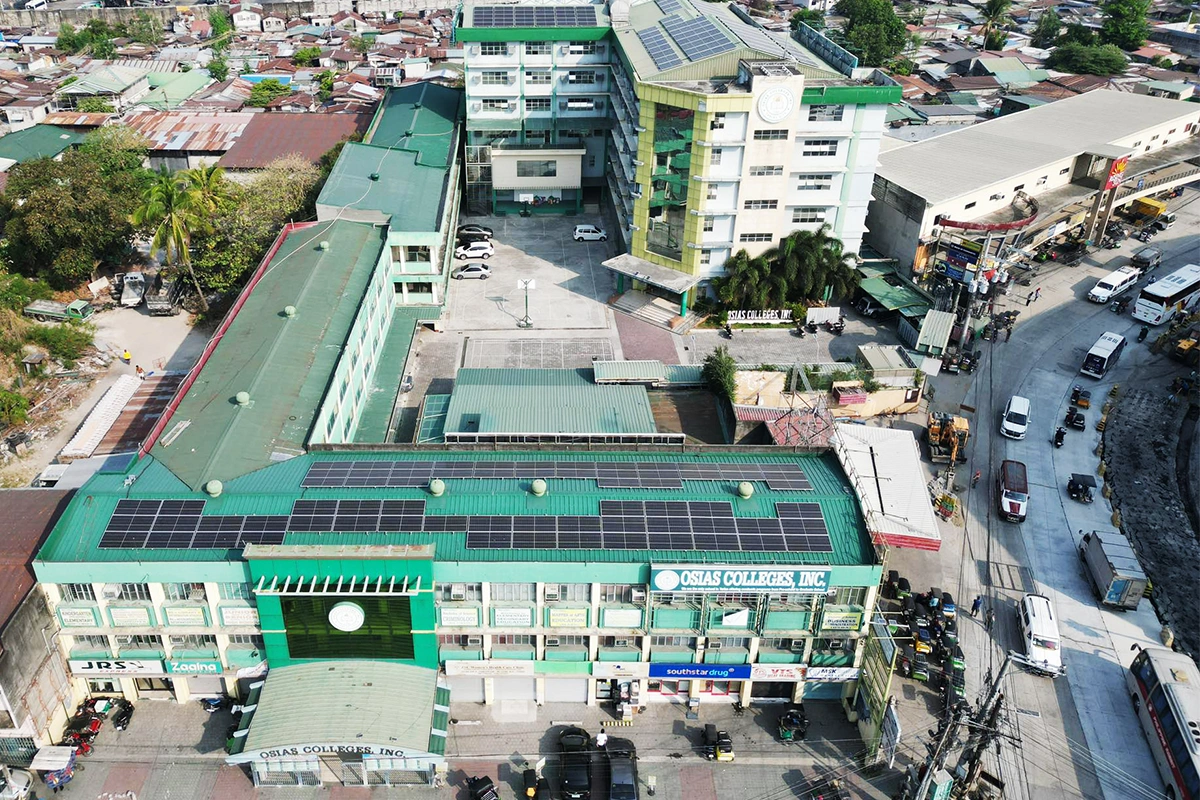
Solaren has seen this play out repeatedly across its commercial portfolio. Clients commonly reduce their electricity bills by thirty to seventy percent once their systems go live. These are not estimates. These are real, measured results from operational projects. At Osias Colleges in Tarlac, the system produces enough power to offset a significant portion of daytime consumption and feed back to the grid, creating dramatic monthly savings. You can see the full project details here:
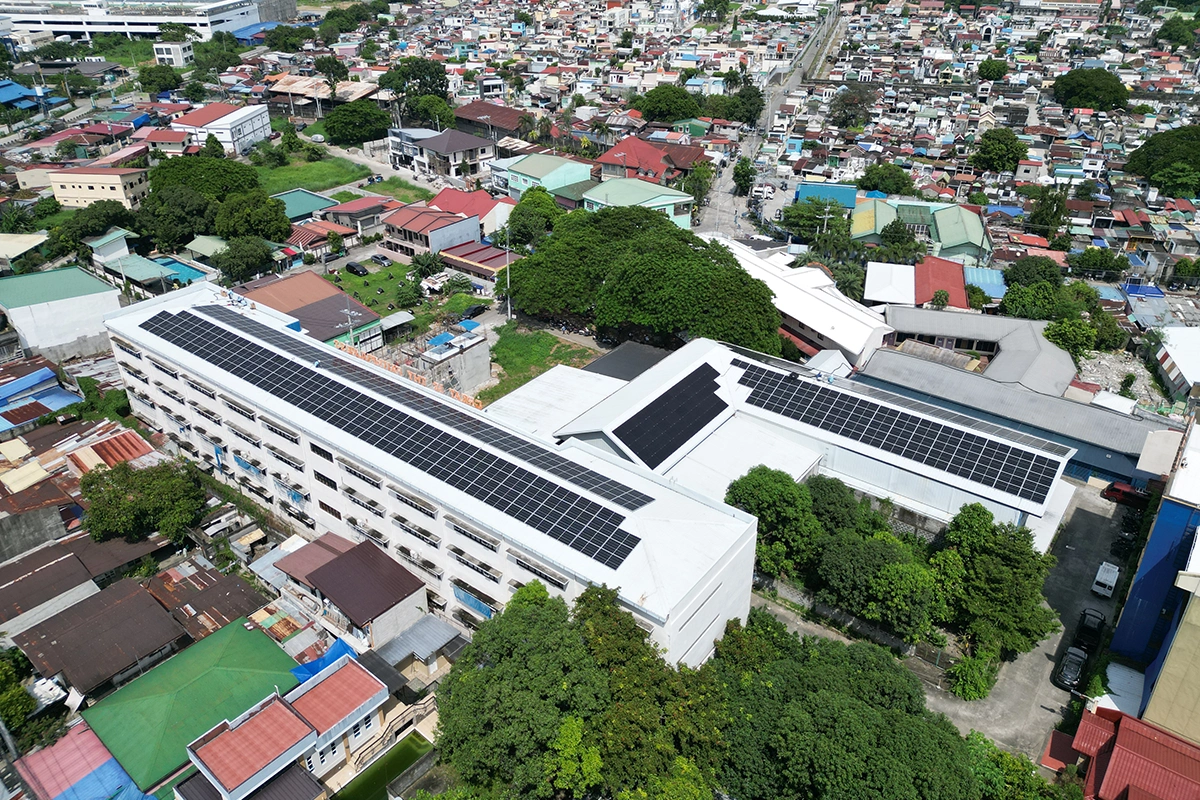
The same pattern is evident at LACA in Bulacan, where the solar installation consistently cuts operational energy costs and protects the school from rising grid prices. That project is available here:
These projects show what happens when engineering, equipment quality, and long-term planning come together.
Understanding What Makes a Solar System Pay Off
Many companies assume that savings depend primarily on the panel brand or inverter model. Those choices matter, but the real returns come from engineering. A solar energy solutions company with deep commercial experience will design the system based on your actual load profile, not just available roof space. The design needs to align with your business hours, equipment, and peak demand.
The right layout avoids shading problems. The right cables prevent heat loss. The right inverter pairing keeps efficiency high even on cloudy days. These decisions may sound technical, but they directly affect how much money the system saves every month. In the Philippines, careful engineering often makes the difference between a system performing at 90% of its expected yield and one performing at 70%.
The Role of Customization in Commercial Solar
Many business owners think solar is generic. Panels go on the roof, the inverter connects to the supply, and the savings appear. In reality, commercial installations benefit enormously from customization. A warehouse with wide sheet metal roofing behaves very differently from a concrete manufacturing plant. A hotel has a different demand curve from a poultry farm. Each type benefits from customized energy solutions tailored to their industry rather than a one-size-fits-all approach.
When a company uses an EPC that understands these differences, the system produces more energy and experiences fewer problems. Tailored designs may take longer, but the result is a system that delivers stronger financial performance over its lifetime.
Why Reliability Matters More Than Capacity
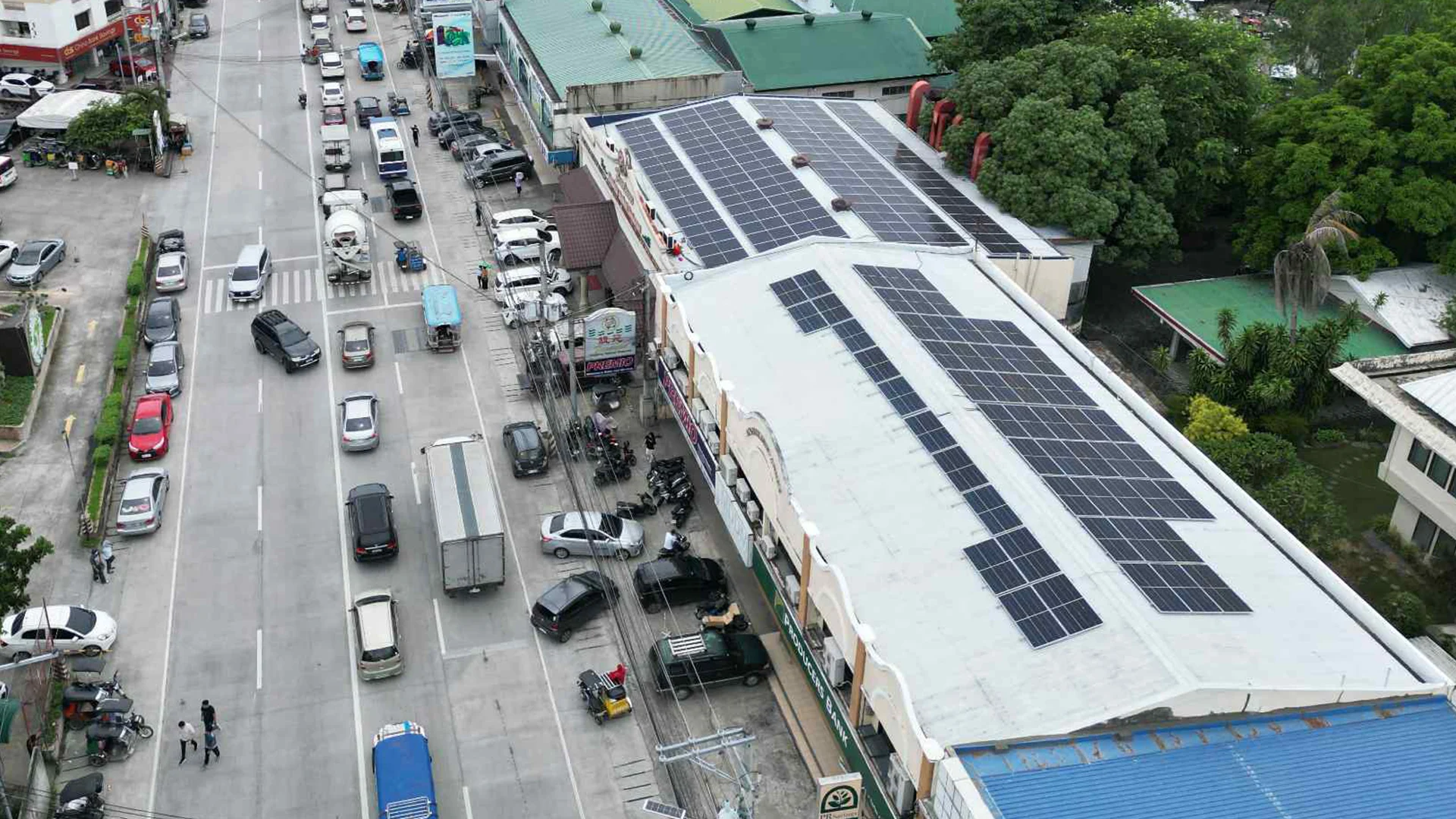
A surprising number of businesses focus on the system size rather than the system reliability. They ask how many kilowatts can fit on the roof, not how the system will behave five years from now. In practice, reliability has a much bigger impact on total returns. A system with premium inverters, well-built mounting structures, and proper protection against heat and corrosion produces energy consistently year after year. A system built on cheaper hardware or rushed workmanship may start strong but quickly drop in output.
When companies compare solar energy solutions in the Philippines, they should closely examine the provider’s track record. Proven long-term performance always beats aggressive proposals that look good only on paper.
Solar as a Long-Term Operational Strategy
The companies that get the best results from solar do not treat it as a one-time project. They treat it as part of their operational strategy. They monitor their system. They keep panels clean. They schedule periodic inspections. They maintain good documentation for warranty claims. In return, their systems deliver stable returns for decades.
Solar can also strengthen resilience. When paired with storage or backup systems, businesses can reduce their exposure to outages or to fluctuations in grid quality. Even simple upgrades like smart monitoring help decision makers understand their consumption patterns and adapt their operations with better data.
The Growing Need for Energy Independence in the Philippines
Grid rates in the Philippines have been rising for years. The combination of fuel costs, generation charges, and regulatory adjustments keeps pushing commercial bills upward. This is why many businesses are shifting toward cleaner, more reliable energy sources. Renewable energy solutions in the Philippines are no longer just branding or sustainability initiatives. They have become a necessity for companies that want long-term cost stability.
Solar is one of the easiest ways for a business to gain partial energy independence without changing its operations. It runs quietly in the background and lowers expenses without forcing any behavioral change from the team.
Choosing the Right Partner Makes All the Difference
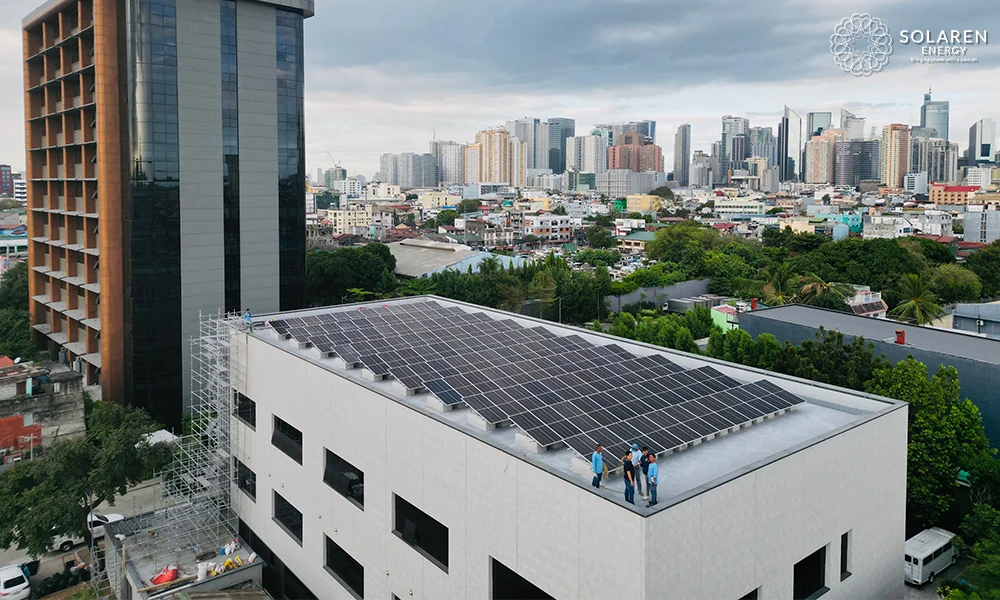
One of the most important decisions a company makes is selecting the right EPC or solar installation company. The market has grown quickly, and businesses need to understand the difference between a real commercial EPC and a small installer that happens to sell solar. The right partner can design a system that performs well for twenty years. The wrong partner can create a system that looks fine for six months, only to start failing once the monsoon season arrives.
Experienced providers understand the requirements for commercial solar installation in the Philippines. They know how to design around roof loading, cable routing, breaker sizing, and grid compliance. They have in-house engineers rather than outsourced teams. They monitor their projects. They can show actual project performance rather than curated images.
When a company finds a partner with those qualities, the project’s risk drops dramatically.
The Practical Impact of Solar on Business Operations
Businesses often underestimate how quickly solar affects their operating costs. The effect becomes noticeable in the first billing cycle once the system goes live. From that point forward, the savings begin compounding. For companies operating in competitive sectors, this improvement in cost control becomes a real advantage.
Solar also helps stabilize planning. When a portion of your demand is self-generated, forecasting energy expenses becomes easier. The company gains a clearer understanding of future costs, which supports better budgeting and long-term decision-making.
Where Solar Is Headed for Philippine Businesses
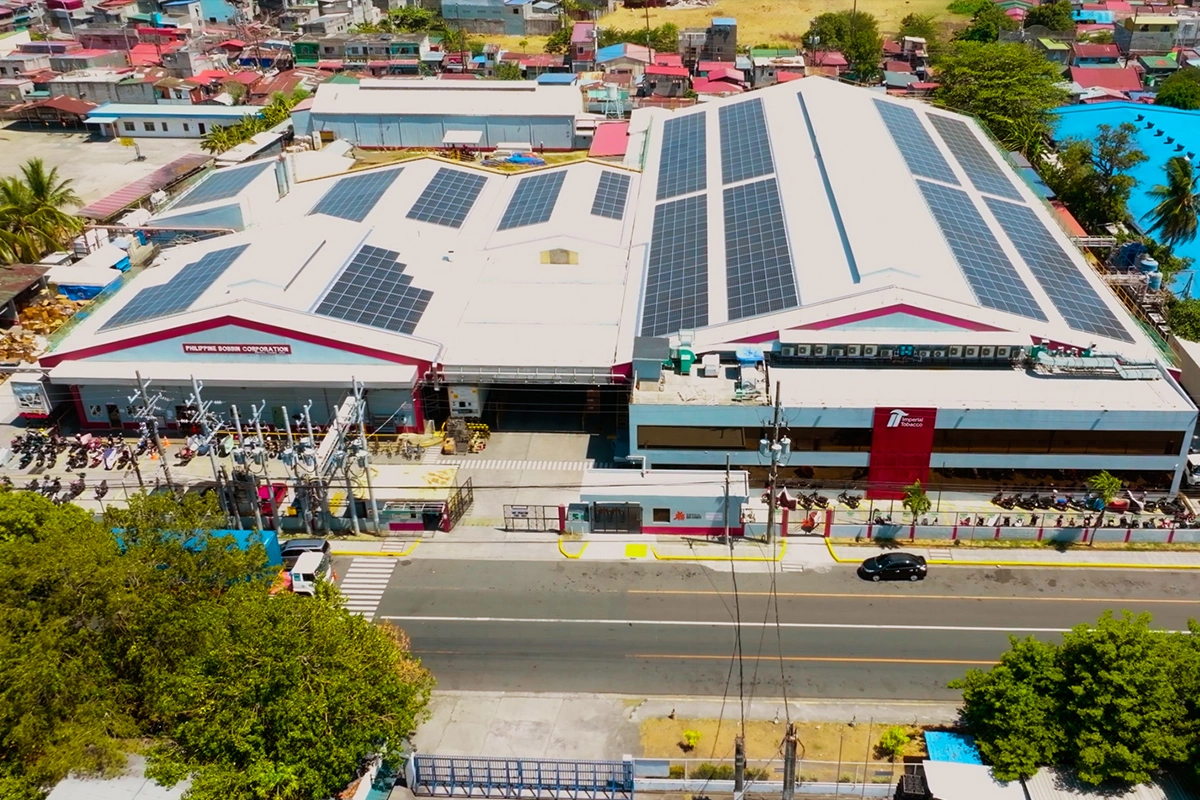
The future of solar energy solutions in the Philippines is advancing toward higher-efficiency modules, more intelligent monitoring, and greater integration with storage. Many businesses are already exploring hybrid setups that combine daytime solar generation with nighttime reliability. As more companies adopt these systems, the competitive gap between those with solar and those without continues to widen. The operational cost differences are astonishing.
The movement is no longer led only by large corporations. Mid-sized firms, regional businesses, and even rural operations are now installing solar because the economics make sense. The technology is mature enough that results are predictable and the risk profile is low, especially when working with a reliable and qualified C.
A Clear and Practical Path Forward
Businesses searching for solar energy solutions in the Philippines should focus on three things. Design that matches their actual operations. Equipment that performs well in the local climate. And an EPC with a proven commercial track record. When these elements come together, the system becomes more than a technical upgrade. It becomes a tool for cutting operational costs, improving resilience, and strengthening long-term financial performance.
Solar has moved beyond being an environmental gesture. It has become one of the most practical steps a company can take to protect its margins. For many Philippine businesses, the decision is no longer about whether solar is viable. It is about choosing the right partner and timing the move before energy costs rise again.