Choosing a solar EPC in the Philippines is not the same as choosing a contractor for a one-time improvement. You are selecting a partner to design, install, and support an asset that will sit on your roof for 20 to 30 years. The quality of that partnership affects your power bills, your operational stability, and even the value of your building. Companies that choose the right EPC enjoy consistent production and minimal headaches. Those who choose poorly often spend years fixing problems that never should have happened.
Solar is now a critical financial asset, not just a statement project. This shift makes selecting the right EPC one of the most important operational decisions for any business.
Commercial Solar Is Complex, and Quality Becomes Obvious Over Time
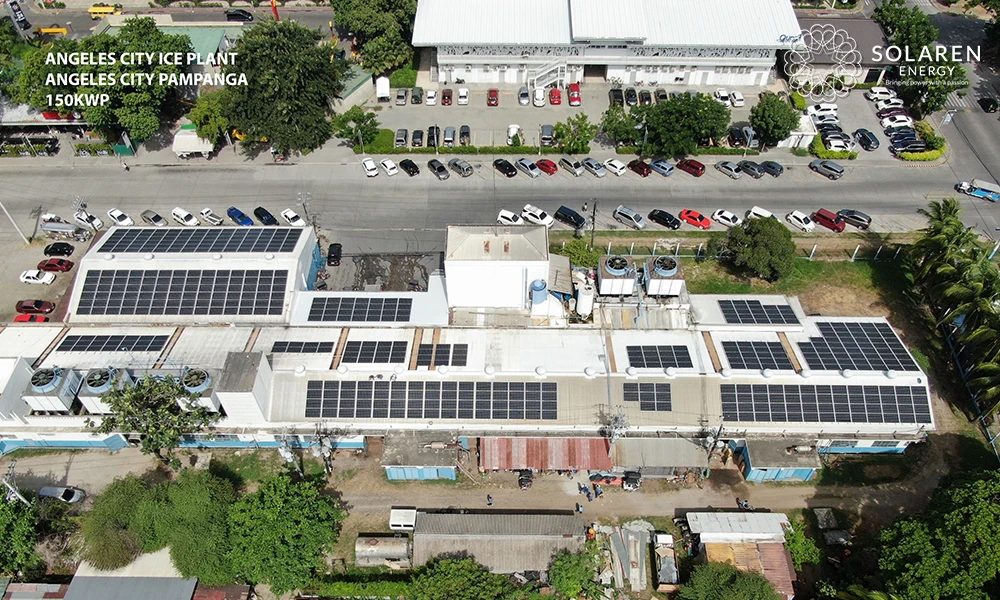
Most proposals look neat on paper. Attractive equipment names, projected savings, and tidy graphics. The real story begins once everything is installed. Commercial rooftops in the Philippines face extreme heat cycles, heavy monsoon rainfall, corrosion, ageing sealants, shifting metal sheets, and grid fluctuations. These conditions test every decision the EPC made during planning.
When something goes wrong, you discover very quickly whether the company that installed your system actually understands engineering or simply sells solar. Many installations fail not because of the panel or inverter brand, but because the EPC lacked the experience to design around local conditions. In the Philippines, that understanding matters as much as the hardware.
Engineering Depth Separates Professionals From Sales-Driven Installers
If you want to judge an EPC, ask about the design and engineering. A good solar contractor can easily walk you through the logic and justification for the entire system. They can explain how and why the mounting structure is wind-rated for your location, why the chosen inverter matches your load profile, and how the electrical design aligns with your transformer, breakers, and grounding. They can talk about roof loading, cable derating, voltage drop, and expected heat losses and inefficiencies without guessing.
You should feel comfortable that they have studied your site, not just pasted your name onto a generic template. In commercial settings, that difference determines whether the system performs or becomes a recurring maintenance problem.
Proven Performance Is the Fastest Way to Identify a True EPC
Any serious solar EPC can show you live, verifiable performance data from existing commercial clients. Not screenshots. Actual live portals with historical data. Then ask them, right there on the spot, to walk you through one of their systems. Watch their reaction. A confident EPC does not need preparation. They know their projects by memory because their engineering team monitors them every day.
If someone hesitates or avoids giving straight answers, that is usually a sign that their commercial portfolio is thinner than advertised. Proven performance is the single strongest signal of trust. If an EPC cannot show it, they have not earned it.
The Importance of Strong Equipment Choices and Real Warranties
We all know that the Philippines has a very harsh environment. Most electronics can fail quickly. Heat, humidity, dust, and unstable grid conditions push solar PV hardware to its absolute limits of endurance. This is why the best EPCs insist on premium equipment with long, reliable manufacturer warranties. They choose inverter brands with global service networks. They choose panels with proven degradation histories, not experimental or bargain models that look good on a spreadsheet.
Quality equipment creates stable output and fewer failures. It also holds its warranty value years later. Clients often discover that cheaper hardware becomes more expensive when it fails outside warranty and the supplier no longer exists. Reputable EPCs understand this and choose equipment that protects the client long term.
After Sales Support Decides How Your System Performs Ten Years From Now
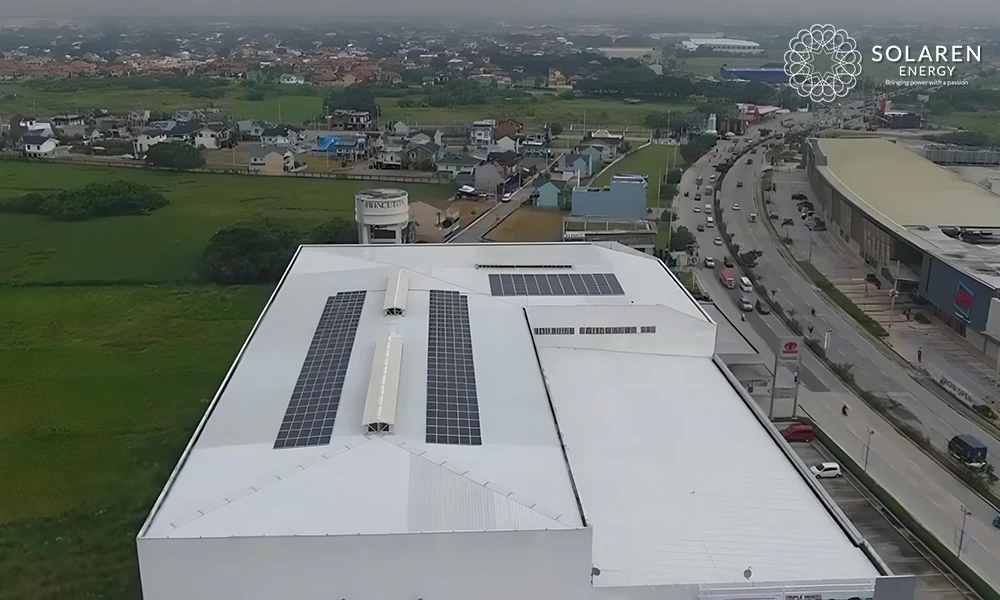
True EPC responsibility begins after commissioning. Panels need cleaning. Mounting needs re-torquing. Inverters need software updates. Panels should be checked with thermography. Cables should be inspected for heat or rodent damage. Grid changes can require system adjustments.
Installers who depend on temporary staff or subcontracted teams cannot maintain consistent after-sales support. They treat maintenance as an inconvenience. In contrast, the best EPCs have in-house technicians who know every part of the system because they were involved from day one. This consistency reduces downtime, protects your investment, and keeps your system operating near its designed performance for years.
Procurement Transparency Shows How an EPC Works Behind the Scenes
Many commercial clients are surprised at how much logistics go into a solar project. Equipment must be imported, inspected, stored correctly, and transported safely to the site. A reliable EPC understands every stage of this process. They know their suppliers personally. They document every shipment. They verify serial numbers. They check for microcracks, inverter firmware, and factory defects before anything reaches your building. Counterfeiting is a growing issue that companies should be aware of.
If an EPC cannot describe its supply chain or sourcing method, you are taking a risk. Solar equipment looks identical on paper. The difference between genuine, properly handled components and mishandled or low-grade batches often becomes visible only years later through degrading performance or sudden failures.
Experience Across Different Industries Creates Better Decision Making
Solar installations for hotels, factories, piggeries, warehouses, and schools all behave differently. A hotel may deal with peak loads in the evening. A factory may run 24 hours. A farm may have heavy seasonal usage. An EPC with broad experience learns how to design for these variations. They understand how to align solar generation with real commercial demand.
If an EPC only has experience with residential installations, that lack of exposure becomes obvious during planning. They may miscalculate load behavior, misjudge wiring requirements, or overlook structural issues. Sector diversity builds technical confidence and leads to smoother projects.
Communication Style Predicts Your Experience During Installation
You can learn a lot from how an EPC communicates. A good EPC communicates directly, gives clear answers, and is honest about timelines. They treat your questions seriously. They respond to issues without excuses. This style matters because solar installations involve coordination with electrical inspectors, utility providers, safety officers, and building administrators.
When an EPC communicates clearly, the project moves smoothly. When they hide behind vague explanations, delays multiply quickly.
Why Price Should Never Be the First Filter
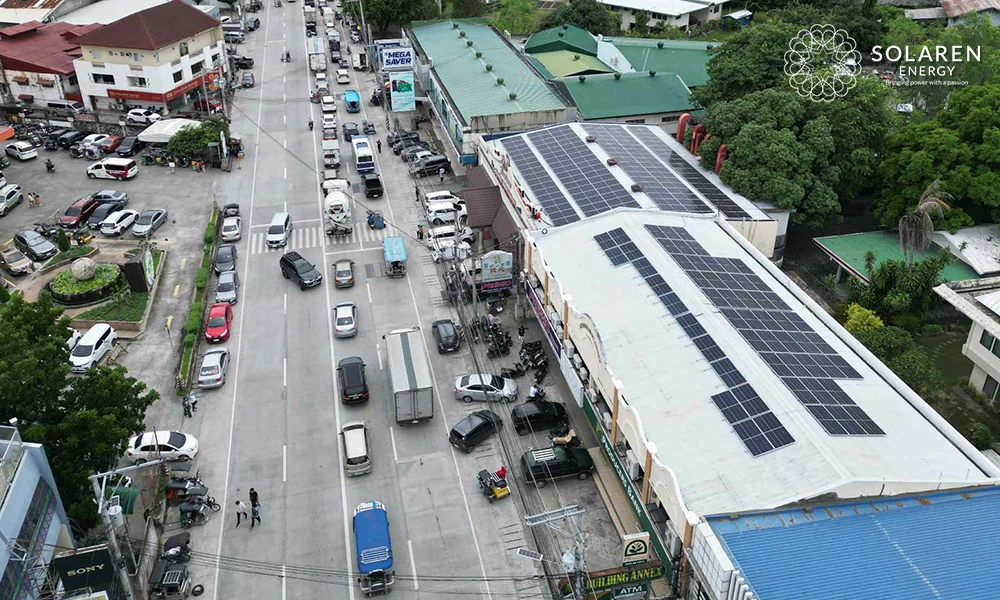
Low pricing is usually made possible by hidden compromises. Undersized cables. Cheaper breakers. Lightweight mounting systems. Rushed workmanship. Minimal substructure reinforcement. These shortcuts save the EPC money, not the client. The problem is that issues caused by these shortcuts do not appear during installation. They appear months or years later. By then, the savings are long gone.
Solar is a twenty-year decision at a minimum. A slightly higher upfront cost often produces far greater value over the life of the system.
A Few Questions That Reveal the Truth Immediately
If you want a quick way to judge an EPC, ask three questions.
Ask who their lead engineer is and how long they have been in the industry.
Request access to a live monitoring portal for a current commercial client.
Ask if their installation teams are in-house, not subcontracted.
The way they answer will tell you exactly who you are dealing with.
The Solar EPC in the Philippines Market Is Growing, and Depth Matters More Than Ever
The solar EPC market in the Philippines has grown rapidly. Many companies can look credible online even with minimal experience. That is why deeper questions matter more than ever. Engineering depth, real performance, premium equipment, transparent sourcing, and strong after-sales support are the qualities that define decent long-term partners, not short-term, cheap installers. Get a track record.
When you choose an EPC that brings all of these strengths together, your chosen solar system becomes more than a cost-saving strategy. It also becomes a reliable power asset that supports your operations, strengthens your cash flow, and adds real value to your business year after year.