Planning a commercial solar installation in the Philippines takes more than choosing panels and signing a contract. A Commercial Solar Installation Philippines project involves engineering, finance, safety, and long-term energy planning. The goal is predictable performance, steady savings, and minimal disruption to daily operations. When done right, a solar installation becomes an asset that works quietly for decades.
This guide walks you through each stage, from early planning to post-installation monitoring, so your investment delivers as expected.
Start by setting clear goals
Before requesting quotes or proposals, align your internal team. Gather at least twelve months of electricity bills to see how your energy use changes during the year. Identify your main purpose for going solar. Some companies focus on cost reduction, others on ESG commitments or energy security.
Check for site restrictions such as roof lease agreements, upcoming construction work, or load-bearing limits. A short written brief outlining these items keeps the project focused and prevents unnecessary changes later.
A clear objective also helps suppliers design systems that match your needs instead of offering generic packages.
Conduct a proper site inspection
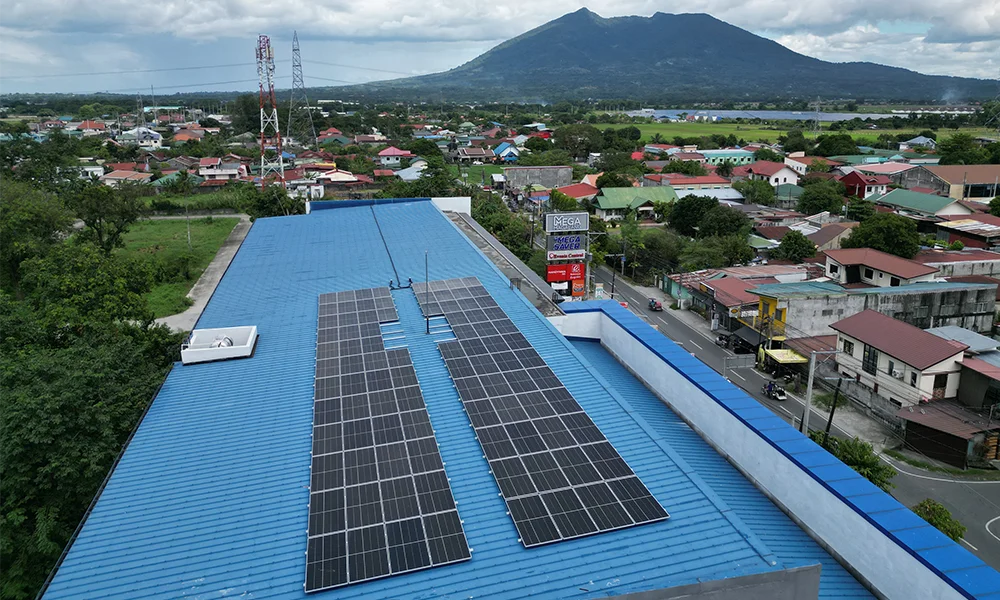
A detailed site visit is essential before design work begins. The installer should examine the roof condition, drainage paths, and available anchor points. They should measure shading patterns at different times of day and review electrical diagrams to confirm spare capacity in switchboards.
Good documentation matters. You should receive a written site report with photographs, measurements, and marked roof drawings. It will serve as a baseline for engineering design and permit applications.
Compare design options
Not every system has the same purpose. Ask your installer to present at least two layouts. One can maximize output, while another can balance cost with practical installation. Review both and compare capacity in kilowatts (DC and AC), estimated annual generation, and self-consumption ratio.
Make sure the proposal includes connection points for net metering in the Philippines and a risk list with mitigation measures. A transparent comparison helps you understand trade-offs between upfront cost, long-term yield, and operational flexibility.
Secure permits and approvals early
Commercial projects require several layers of approval. You will need a building permit, a structural safety clearance, and authorization from the local utility for grid interconnection. If you plan to export excess power, apply for a net metering agreement.
These steps can take weeks or even months. Start early and choose an installer experienced in managing the paperwork. Solaren handles all documentation in-house so that the client can focus on operations while approvals move forward.
Create a realistic project schedule
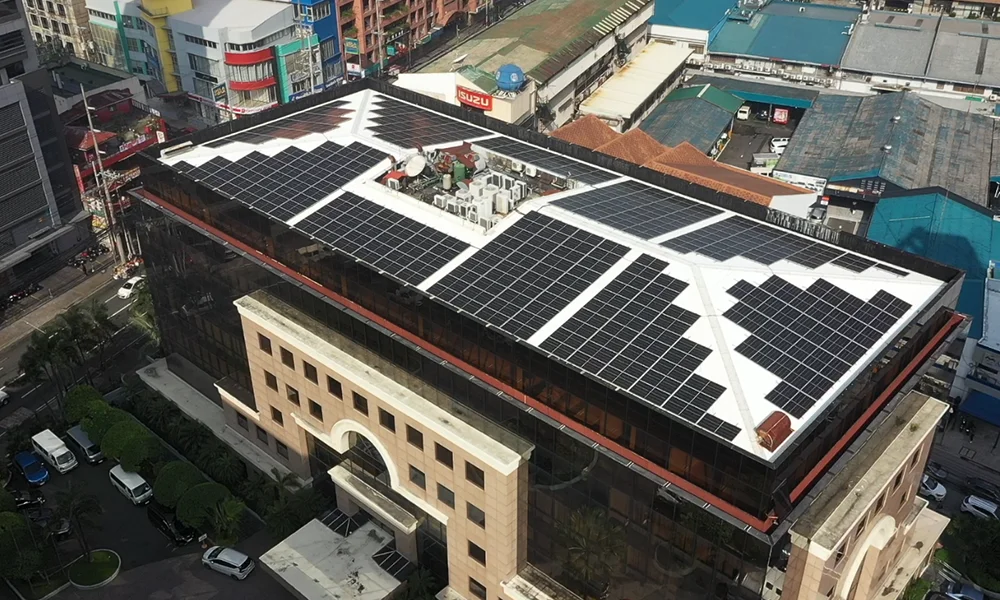
Once permits are in process, coordinate with your operations team to select installation dates. Many companies align solar work with low-production periods or planned maintenance shutdowns.
Your installer should provide a milestone schedule showing equipment delivery, lifting, installation, and testing. Share this plan internally so every department knows when site access will be needed. Advanced scheduling keeps production running smoothly and avoids last-minute conflicts.
Manage procurement and logistics carefully
Supply chain timing can make or break a solar project. Confirm panel and inverter models early and make sure they are approved for Philippine conditions. The mounting system must match both your roof type and local wind zone.
Delivery should be scheduled for just-in-time arrival to avoid congestion at the site. Keep backup options ready in case of shipping delays. Solaren’s procurement team coordinates suppliers, freight, and warehousing to ensure that materials arrive exactly when needed.
Maintain safety and quality during installation
A good installer will divide the work into zones to minimize interference with ongoing operations. Clear safety boundaries, signage, and daily briefings protect both workers and staff.
Each day’s work should be verified with a checklist. Before energizing the system, technicians test electrical polarity, grounding, and insulation. Inverter settings are reviewed to confirm they match design specifications. At Solaren, every project goes through multiple layers of inspection before final commissioning.
Quality checks and handover
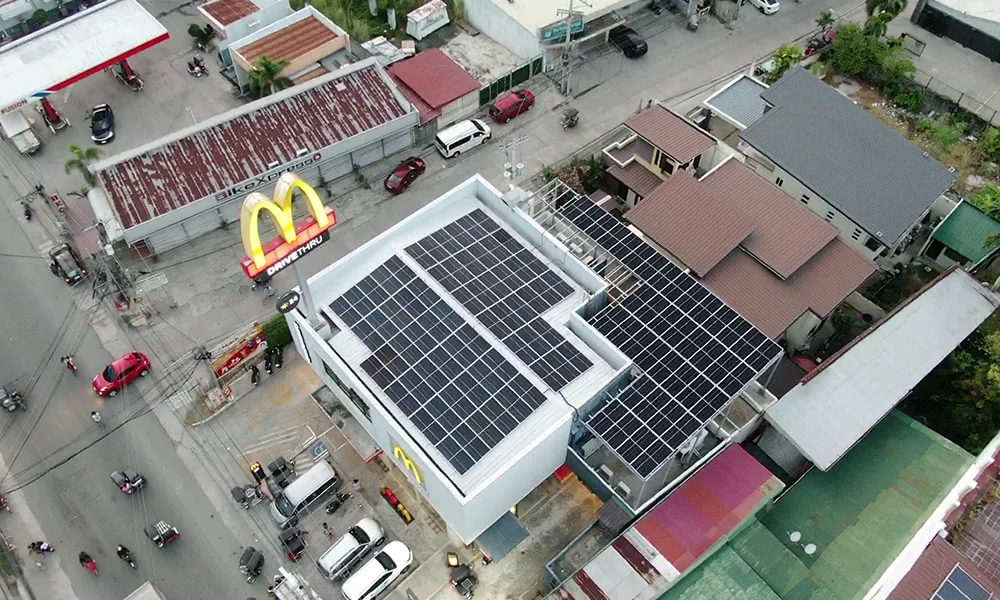
At completion, you should receive full documentation, including as-built drawings, product manuals, and test certificates. The installer should also provide access to the monitoring platform and train your team to use it.
Agree on a preventive maintenance schedule and get contact details for support staff. These steps guarantee accountability once the project transitions from construction to long-term operation.
Explore funding options
You do not always need to pay the full amount upfront. Many businesses choose solar installation in the Philippines through structured financing.
Options include direct purchase for the highest overall savings, lease-to-own for steady monthly payments, or green loans tied to energy savings. Smaller facilities sometimes use zero-interest credit programs for partial funding.
Solaren works with several financial partners who specialize in renewable energy loans, helping clients align financing with projected returns.
After the system goes live
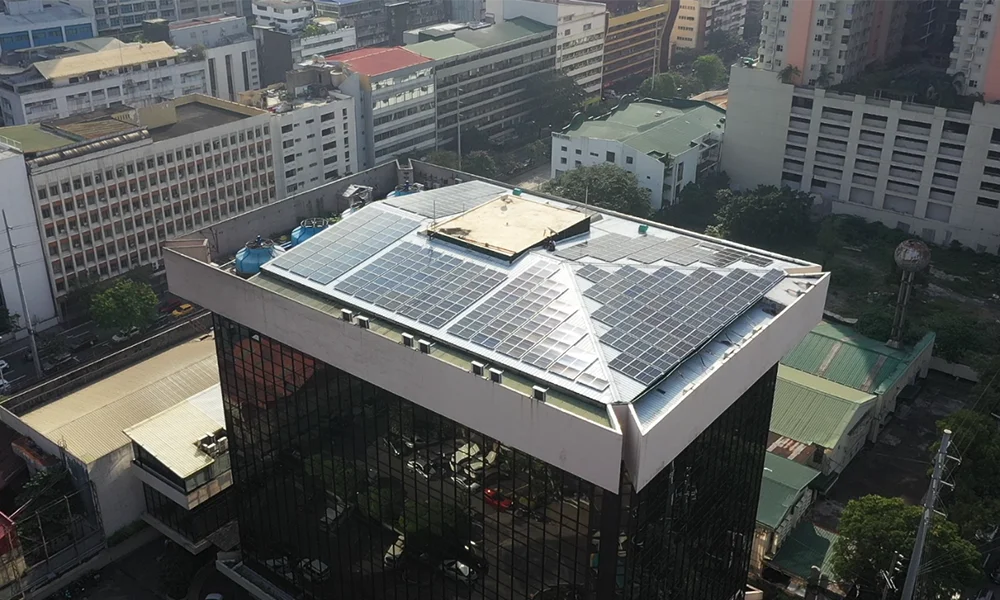
Commissioning is not the end of the project. Track system output and compare it to the projections provided in your proposal. Review monthly data for any performance gaps and raise questions early.
Consider publishing a case study once the system stabilizes. Sharing results supports your sustainability goals and demonstrates leadership to customers and partners. Internally, hold a review meeting to record lessons learned and improvements for future projects.
Building long-term value
A well-planned commercial solar power system in the Philippines can cut energy costs for decades. It also shields your business from rising utility rates and supply instability. The process only works smoothly when every stage from site inspection to financing is handled with discipline and coordination.
Solaren’s approach to industrial and commercial solar installations combines engineering precision with clear communication. Our teams plan, execute, and support each system as if it were our own. The result is consistent performance, reduced costs, and a measurable contribution to the country’s renewable energy transition.