If you are running a business in the Philippines, you already know the challenge of staying ahead of rising costs and unpredictable power supply. Each time your utility bill jumps, or the grid becomes unstable, your attention shifts from growth to damage control. As 2026 draws nearer, many companies are choosing to take back control of their energy. A well-designed commercial solar power system in the Philippines is no longer just a smart option. It is one of the most practical and financially sound decisions a business can make.
It is About Control as Much as Savings
For years, solar conversations focused on long-term savings. Those savings remain impressive, but many Philippine companies are now choosing solar for an even stronger reason. It gives them control. Grid electricity rates change without warning. Fuel costs rise. Businesses absorb the impact every time the supply chain wobbles. Solar changes the equation by turning a major variable expense into a predictable and stable asset. When you generate your own daytime power, you lock in your cost for decades. Budgeting becomes easier. Growth planning becomes clearer. You remove uncertainty from one of your largest operating expenses.
Energy independence is a business strategy. When you make this shift, you are choosing a more secure operational model for the long term.
Understanding the Real Commercial Solar ROI

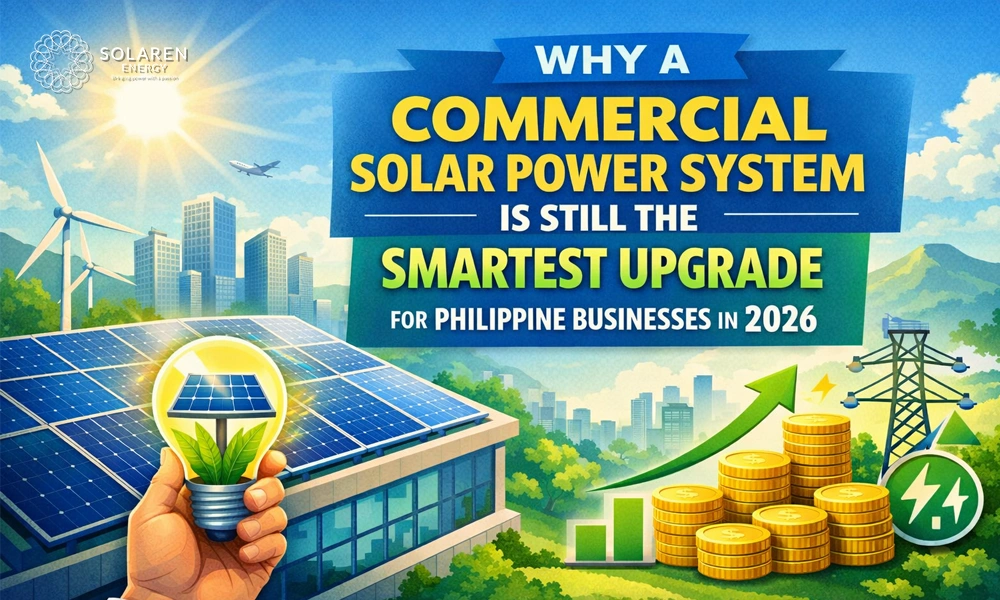
A commercial solar power system delivers value long before the first month of savings. Well-engineered systems in the Philippines often pay for themselves in three to five years. With panels guaranteed to perform for twenty-five years or more, the remaining decades become a period of pure financial return. Commercial solar ROI continues to grow each year as electricity prices climb. This transforms solar into an income-enhancing asset rather than a passive cost reduction tool.
Energy savings are only part of the picture. Solar systems can reduce exposure to outages, soften the impact of rate hikes, and help companies avoid the rising cost of generator fuel. These factors are difficult to quantify on paper, yet they play a major role in long-term financial health. When you consider all these components, solar becomes one of the strongest capital expenditures a Philippine business can make.
Solar also strengthens your position in global supply chains. International partners increasingly value companies that adopt renewable energy solutions in the Philippines. It shows forward thinking, environmental responsibility, and commitment to modern standards. While reputation may seem intangible, it influences partnerships and client trust more often than people realize.
Stability is the New Priority
The Philippine energy environment requires more than a basic installation. A commercial system must be designed around the realities of local climate, weather patterns, and building conditions. This is why choosing the right partner matters. You are not buying equipment. You are securing an engineered solution that works seamlessly with your facility.
A solar investment is significant, so engineering quality has to be precise. Your system needs to be durable, safe, and designed specifically for your energy profile and future expansion. This level of detail turns a rooftop system into a long-term, high-performing asset. If you want to see how this approach works in real commercial and industrial settings, you can explore our completed installations at https://solaren-power.com/projects. These projects reflect years of experience in designing systems that perform reliably across different sectors.
What an Expert Solar EPC Partner Really Delivers
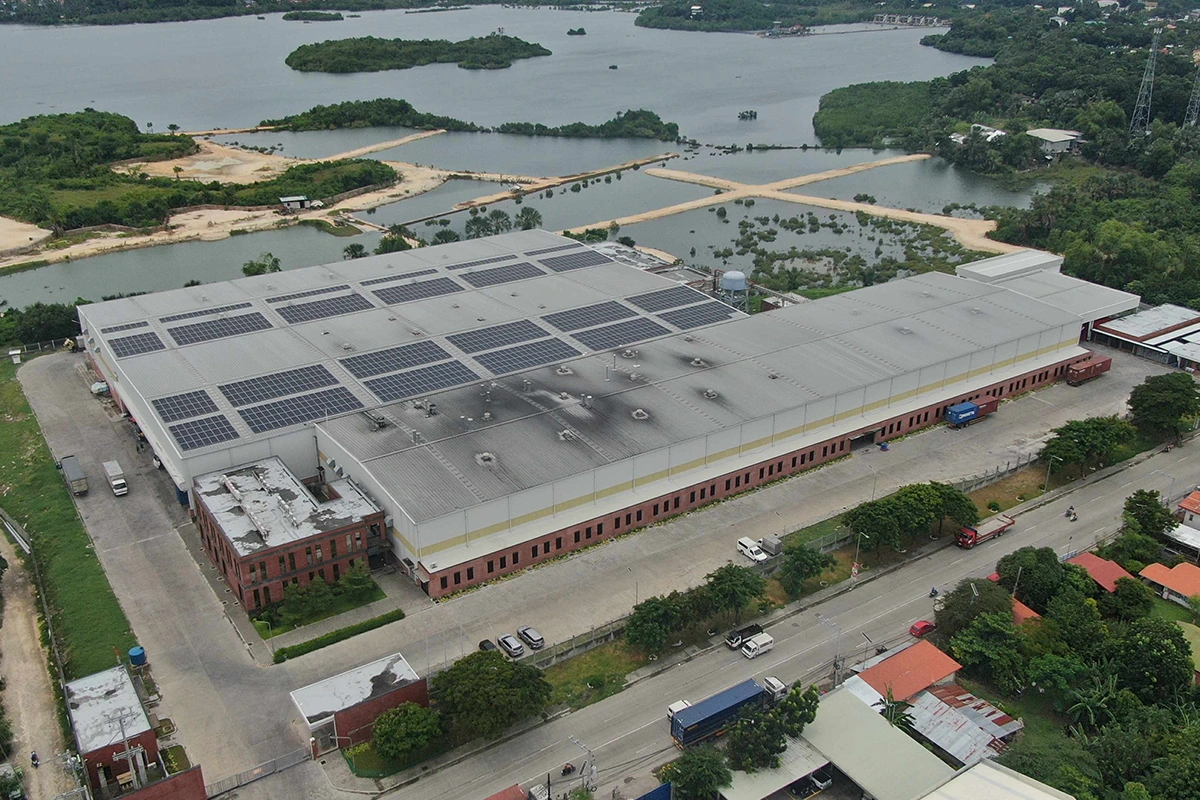
An investment in a commercial solar system will certainly succeed or fail based on the quality of the EPC partner you choose. An EPC handles the complete engineering, procurement, and construction of your system. They should manage everything from initial assessment to final commissioning. The right partner studies your load profile, models your future needs, and selects equipment that can withstand the Philippines’ brutal climate. Importantly, the EPC should ensure you optimize capital expenditure.
The process is not simply a matter of choosing panels and inverters and throwing them on a facility. The process involves ensuring proper structural assessments, electrical protection, interconnection approval, and compliance with safety standards. A seasoned EPC chooses reliable components from proven solar suppliers and understands how to integrate inverter technology for optimal efficiency. Their work determines how much energy your system produces, how long it lasts, and how seamlessly it can expand later.
Partnering with experts protects you from the risks of poor design or unreliable materials. When your EPC handles the project with full accountability, your investment performs exactly as promised and continues to deliver returns for years to come.
Solar as a Business Continuity Asset
Electricity is not just an insignificant background business overhead. It is a core part of any business’s resilience. When the grid fails, production stops, inventory can be damaged, and potential deadlines can be missed. The true cost of outages is measured in lost hours, lost revenue, and lost client confidence. A commercial solar power system provides your operations with stability during the day by generating energy on-site. Manufacturers, cold storage operators, retail chains, and logistics companies all rely on this consistency.
When paired with renewable energy storage solutions (BESS), solar becomes even more powerful. Batteries store excess energy and provide backup during brownouts, voltage drops, and sudden interruptions. This gives your facility clean, steady power at the exact moment it is needed. Competitors tied entirely to the grid cannot match this reliability.
For many companies, just one major outage is enough to justify the investment. Solar becomes both financial protection and operational insurance.
Preparing for the Future with Smart Technology
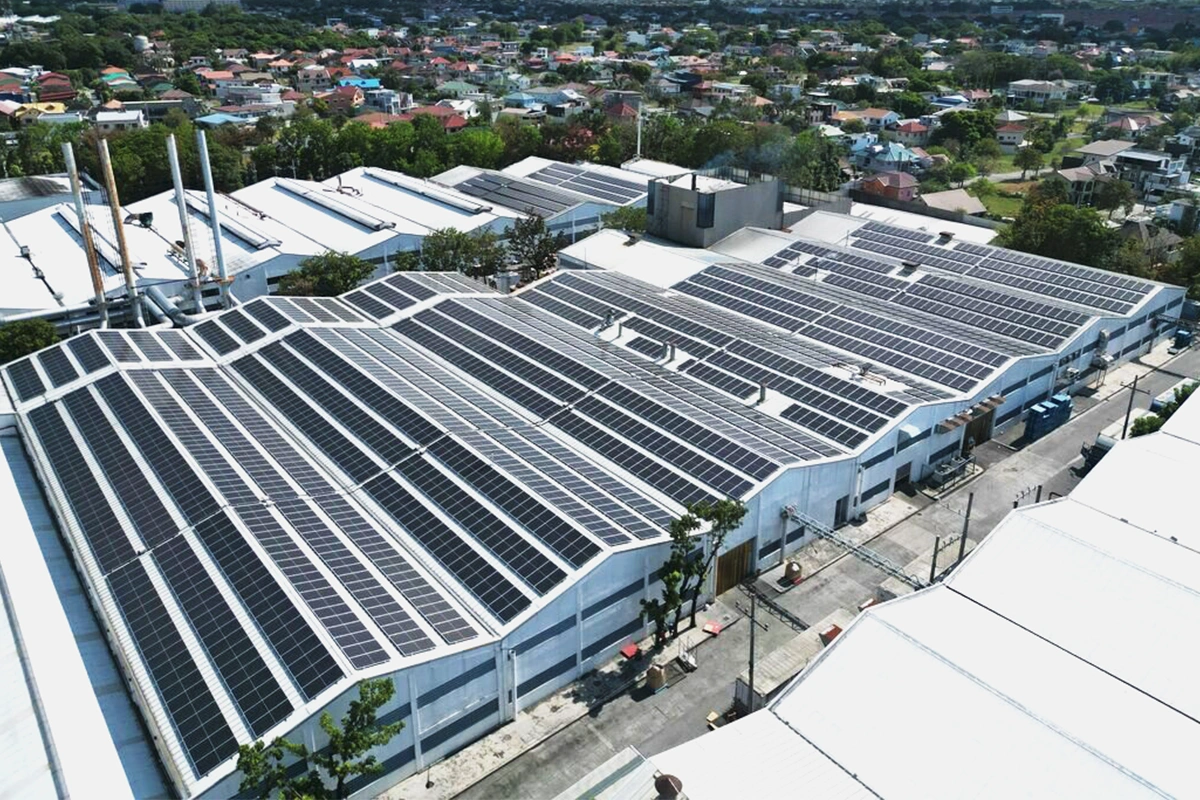
The latest commercial solar installations in the Philippines are designed for long-term flexibility. Even if you are not installing batteries right away, your system can still be designed to accommodate them later. Many companies take this approach as they plan for higher self-consumption and greater protection against grid instability.
This future-ready mindset ensures your system adapts to new technologies and new energy requirements without costly redesigns. When you invest in a commercial solar power system that can evolve with your business, you are choosing certainty, stability, control, and efficiency for many, many years to come.
Final Thoughts
A well-designed solar system does more than just lower bills. It restores control, supports growth, reduces risk, and strengthens competitive edge. For Philippine businesses preparing for the demands of 2026 and beyond, solar remains one of the most intelligent and potentially reliable upgrades available. It pays for itself in pesos saved and in the confidence that your operations can keep running even when the grid cannot.