Are you searching for a way to cut monthly bills, reduce carbon emissions, and achieve a more stable energy supply?
A Renewable Energy Company Philippines might be exactly what you need. By tapping into our abundant sunlight, you secure lasting savings, greater self-sufficiency, and a reduced carbon footprint. Yet with so many providers out there, how do you know which one is right for you?
Combining Local Knowledge with Global Standards
- Over a Decade of Expertise
Solaren Renewable Energy Solutions Corporation has been in the industry for more than ten years. This experience spans thousands of installations and reflects a deep understanding of local conditions. From rural provinces to bustling cities, Solaren tailors each solar project to the specific climate, available space, and energy goals. - Filipino-British Management
Their leadership merges hands-on Philippine experience with an international perspective. This means you get world-class methods adapted to the country’s weather patterns, building structures, and regulations. As a result, each project meets international standards while suiting local requirements.
Premium Equipment for Better Results

- German and British Technologies
If you want reliability, equipment choice matters. Solaren relies on brands like SMA and Enphase, known for top-tier performance, safety, and efficiency. These brands ensure that your system can handle high temperatures, rainy seasons, and other local challenges. - Robust Design and Implementation
When you invest in solar, you want it to last decades. High-quality panels and inverters mean fewer breakdowns, lower maintenance costs, and longer operational life. It’s a long-term commitment that pays off through stable performance and reduced monthly bills.
Proven Performance and Daily Monitoring
- 119 Million kWh Annually
Solaren’s installations generate roughly 119 million kilowatt-hours of clean energy each year. That output powers around 40,000 Filipino homes. Imagine what that level of production could mean for your own property—lower bills and a smaller carbon footprint. - Round-the-Clock System Checks
A solar power setup only saves money if it works consistently. Solaren’s team keeps tabs on each installation, spotting any drop in performance before it becomes a bigger problem. Fast intervention prevents wasted energy and protects your return on investment.
Customized Solutions for All Sectors

- Residential Installations
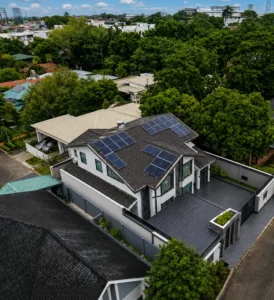
Installing panels on your home’s roof brings immediate benefits. You cut your electricity bill and improve your property value. A Renewable Energy Company Philippines can also guide you on net metering, battery storage, and system sizing to meet your exact household needs. - Commercial Solar Installation
For a business, operational costs can eat into profits. By switching to solar, you free up capital for expansion, hiring, or upgrading your facilities. Solar roofs on offices, shops, or factories turn unused space into a long-term money-saving asset.
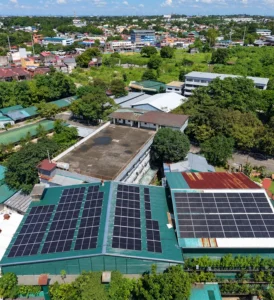
Commercial sites with extended operating hours and multiple tenants benefit when energy systems are designed for shared demand. At KKK Gasoline Strada, a gasoline station with on-site commercial rentals, the solar installation supports fuel operations and tenant loads throughout the day. The system operates in the background, reducing grid reliance without affecting daily business activity or customer flow. - Industrial Projects
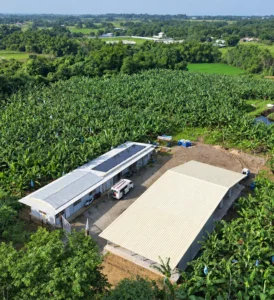
Larger industrial sites often require extensive energy. With a high-capacity system, factories or warehouses can reduce overhead and better control production costs. Solaren has experience designing and installing systems for larger facilities with significant energy demands.Food production and distribution sites require reliable power for refrigeration and handling throughout the day. At King’s Orchard, an organic farm with integrated cold storage and distribution facilities, the solar installation supports core operational loads while reducing dependence on grid supply. The system was designed to integrate into existing workflows, allowing agricultural and storage operations to run consistently without disruption.
Why Accreditation and Awards Matter
- Department of Energy and PCAB
Working with an accredited provider ensures that they follow the regulations set by the Philippine government. Compliance means a safer installation, along with fewer bureaucratic hurdles down the line. You can rest easy knowing your system meets official guidelines for design, safety, and environmental impact. - International Recognition
Solaren’s list of awards includes distinctions like the Asian Power Awards. Such honors highlight the company’s leadership and consistent quality in the renewable energy field. Customer testimonials back up these claims, showing real-world success stories of reduced bills and smooth installations.
Financial and Environmental Upsides

- Long-Term Savings
Every kilowatt-hour your panels produce is one you don’t buy from the grid. Over time, those avoided costs accumulate into substantial savings. Many clients see reduced bills for two or more decades, well past the payback period. - Sustainability and Clean Power
Traditional fossil fuels release pollutants that degrade our air and water resources. A solar-powered setup produces electricity without emitting harmful gases. By going solar, you become part of a growing movement toward cleaner energy and a healthier environment.
The Impact on Your Future
- Control Over Your Energy
Tired of price hikes and fluctuating bills? Owning a solar system gives you more control. You can predict your expenses and avoid unpleasant surprises from utility providers. - Enhanced Property Value
Homes and commercial buildings with solar often attract higher offers when it’s time to sell. Prospective buyers see the system as an asset that grants lower operating costs and eco-friendly credentials.
Take the Next Step with Solaren

Selecting the right Renewable Energy Company Philippines greatly influences your energy savings, carbon footprint, and overall satisfaction. Solaren Renewable Energy Solutions Corporation can walk you through each step, from initial consultation to after-sales support. They’ll design a system that meets your budget, space constraints, and long-term goals.
Are you ready to see how much you could save by switching to solar? Contact Solaren today. Your journey toward cleaner, more affordable energy starts with the right partner. Take control, reduce monthly costs, and make a positive impact on the planet one panel at a time.