Many Filipinos wonder the same thing before installing solar panels: how much can solar energy save money and lower monthly electricity bills?
The answer depends on your energy use and system design, but in most cases, solar cuts monthly bills by 40 to 80 percent. When installed correctly, it provides one of the fastest and most reliable returns of any business investment in the Philippines.
Why Electricity Costs Keep Rising
The Philippines has some of the highest electricity prices in Asia. Imported fuel, rising demand, and transmission losses drive these costs up each year. Businesses that rely on cooling, refrigeration, or heavy machinery feel it most.
Solar power changes that. It generates electricity directly from the sun, reducing what you buy from the grid. Every kilowatt-hour your panels produce is one less charged by the utility. The more you generate and use on-site, the less you pay each month.
How Solar Energy Saves Money
When sunlight hits a solar panel, it’s converted into electricity that powers your building. During sunny hours, you use your own clean energy. At night, or when usage exceeds production, you draw from the grid as usual.
If your system produces more power than you consume, the excess feeds back to the grid through net metering. Your utility then credits you for that energy, lowering your future bills.
In most commercial projects handled by Solaren Renewable Energy Solutions Corporation, the investment pays back in three to five years. After that, you enjoy low-cost power for twenty years or more, with minimal maintenance.
What Real Savings Look Like
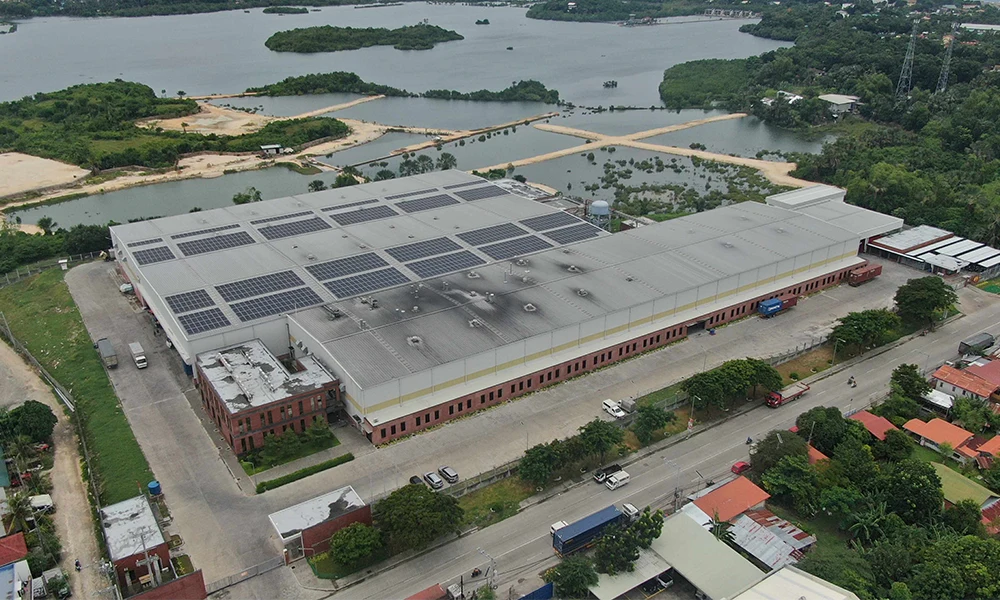
A typical 10-kilowatt residential system can save between ₱12,000 and ₱18,000 per month, depending on sunlight and usage patterns.
A 200-kilowatt commercial system can save ₱250,000 to ₱350,000 per month, often covering most of a facility’s daytime power needs.
For industrial operations, savings can reach several million pesos per year.
Solaren designs every system using load data from each client rather than generic templates. By matching capacity to demand, each setup produces consistent returns and avoids over-sizing or under-performance.
The Power Of Net Metering
Net metering makes solar even more profitable. When your system produces more energy than you use, the grid effectively becomes your battery. Those exported kilowatt-hours appear as credits on your bill.
Solaren helped pioneer the process, completing one of the first Meralco net-metering projects in Tagaytay in 2012. Today, applications move faster, and utilities better understand the benefits. Most Solaren clients gain an extra 10 to 15 percent in annual savings from net-metering credits alone.
Timing Matters
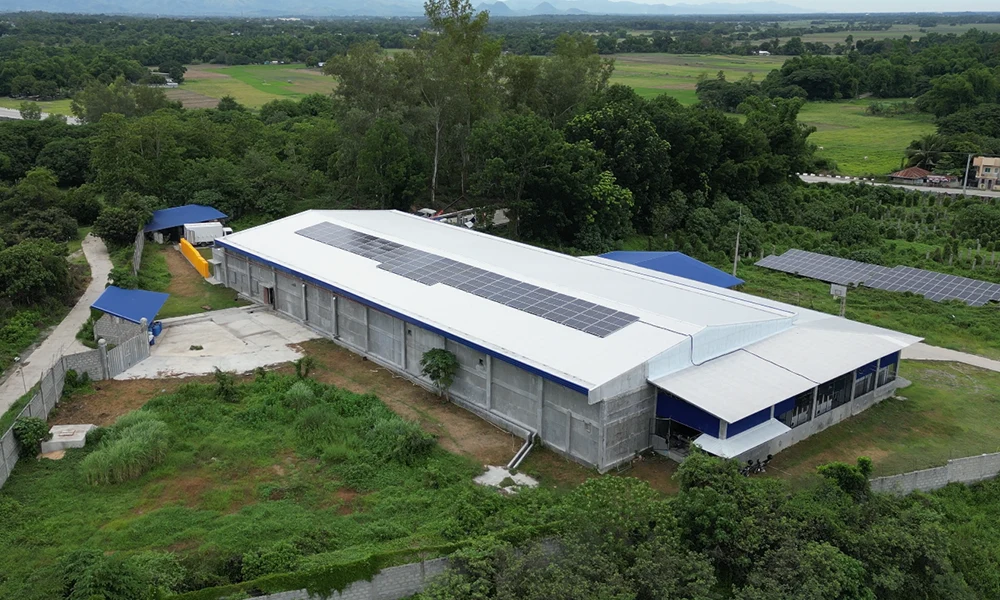
Solar delivers the best returns when your usage happens during the day. Offices, factories, and schools consume most of their power while panels are producing, which maximizes savings. This is called self-consumption, and it avoids paying retail grid rates.
Businesses that operate 24 hours a day can add battery storage to bridge night hours. Batteries store extra solar power during the day and release it after dark. With this setup, companies maintain steady operations and avoid diesel generator costs during outages.
The Role Of Battery Storage
Energy storage has become essential for many commercial solar energy systems in the Philippines. It ensures energy continuity and shields facilities from grid instability.
Solaren uses Lithium Iron Phosphate (LFP) and other long-life chemistries that last ten to fifteen years. Batteries add resilience, extend savings, and help qualify for green financing programs. They also let companies shift consumption strategically to avoid demand charges during peak hours.
What Influences Your Total Savings
Several elements affect how much you save:
Sun exposure: clear, south-facing roofs produce the most energy.
System quality: high-efficiency panels and reliable inverters convert sunlight more effectively.
Design precision: accurate system sizing prevents wasted capacity.
Monitoring: real-time tracking helps detect issues early and maintain performance.
Solaren combines European-grade inverters, bifacial panels, and in-house engineering to make these variables work together efficiently.
Real Results In The Field
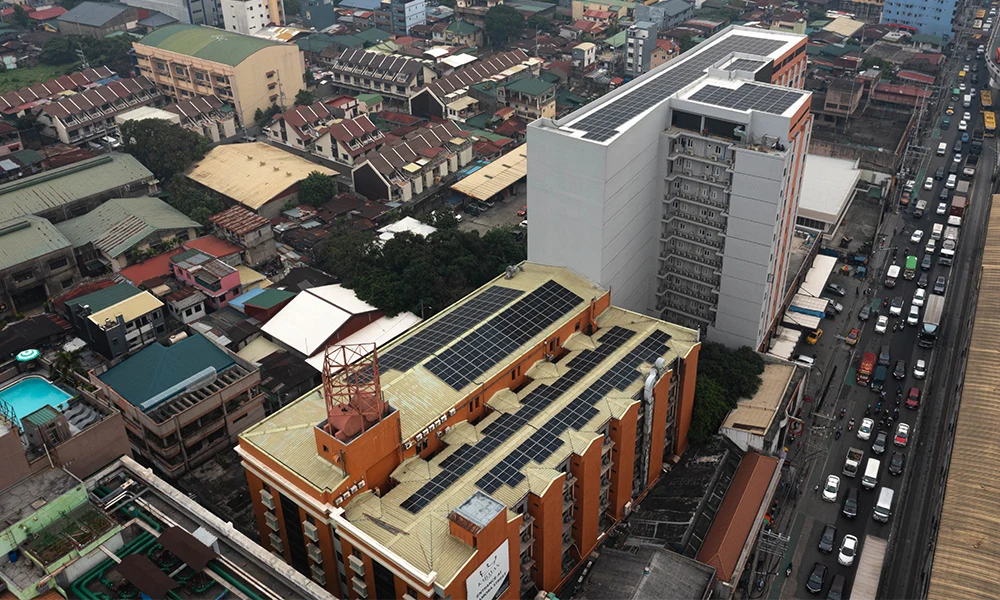
A retail warehouse in Pampanga installed a 250-kilowatt rooftop system with Solaren. Before installation, its monthly bill averaged ₱500,000. After going solar, the bill dropped to about ₱180,000, a 65-percent reduction. The system paid for itself in under four years and continues to operate smoothly.
Across the country, similar results repeat: stable power, predictable costs, and a clear path to energy independence.
Solar Pays Off Faster Than Ever
Over the last decade, panel prices have dropped sharply while electricity rates keep climbing. This widening gap makes solar more cost-effective each year.
Flexible financing options also accelerate adoption. Solaren’s partner banks and financiers offer lease-to-own and green loan programs with terms of three to five years. For most clients, monthly payments are lower than their old electricity bills, which means positive cash flow from the first month.
The Environmental And Brand Advantage
Each kilowatt-hour generated from solar prevents roughly 0.7 kilograms of carbon emissions. A 100-kilowatt system can offset over 1,000 tons of CO₂ during its lifetime.
For businesses, that sustainability record builds trust with customers and investors. It also strengthens ESG credentials and supports participation in renewable energy initiatives. Solar is both a cost-saving measure and a branding advantage in today’s environmentally aware marketplace.
The Takeaway
Solar panels save money by replacing costly grid power with clean, self-generated electricity. The financial benefits begin immediately and last for decades. You control your own energy production, protect yourself from rising rates, and gain the assurance of predictable operating costs.
If you’ve been wondering how does solar energy save money, the answer is simple. It gives you ownership of your power. Whether you manage a home, warehouse, or manufacturing plant, solar energy turns the sun into one of your most reliable business assets.