Installing solar panels is a major step toward cutting energy costs and gaining independence from the grid. But like any valuable asset, your solar power system needs care to keep it performing at its peak. Many people assume that solar panels are maintenance-free. While they are designed to last decades, the truth is that they still need occasional cleaning, inspection, and monitoring to sustain high output year after year.
Across the Philippines, where humidity, dust, and rainfall vary by region, proper maintenance makes all the difference between a system that lasts twenty-five years and one that starts losing efficiency after five. Understanding what to do, when to do it, and who to call ensures that your solar panels keep producing energy safely and efficiently.
Why Solar Panel Maintenance Matters
Every solar power system operates outdoors, exposed to heat, dirt, rain, and changing weather. Over time, these factors can reduce efficiency. Even a thin film of dust or bird droppings can block sunlight and lower energy production. Studies show that neglected panels can lose as much as 10 to 20 percent of their output in a single year.
In the Philippines, this problem is magnified by environmental factors. Dust from roads, salt from coastal air, and ash from nearby burning all settle on solar panels. Regular cleaning restores performance and prevents long-term discoloration that can permanently reduce light absorption. Beyond cleaning, regular inspection identifies loose wiring, worn cables, and inverter issues before they escalate into system failures.
How Often to Clean Your Panels
There is no one-size-fits-all schedule for cleaning, but most systems benefit from at least two to four cleanings a year. In areas with heavy dust or close to highways, quarterly cleaning is ideal. If your panels are installed in a high-rainfall region, rainwater helps remove some dirt, but it rarely washes away everything. Light film and debris tend to remain near panel edges or beneath frames.
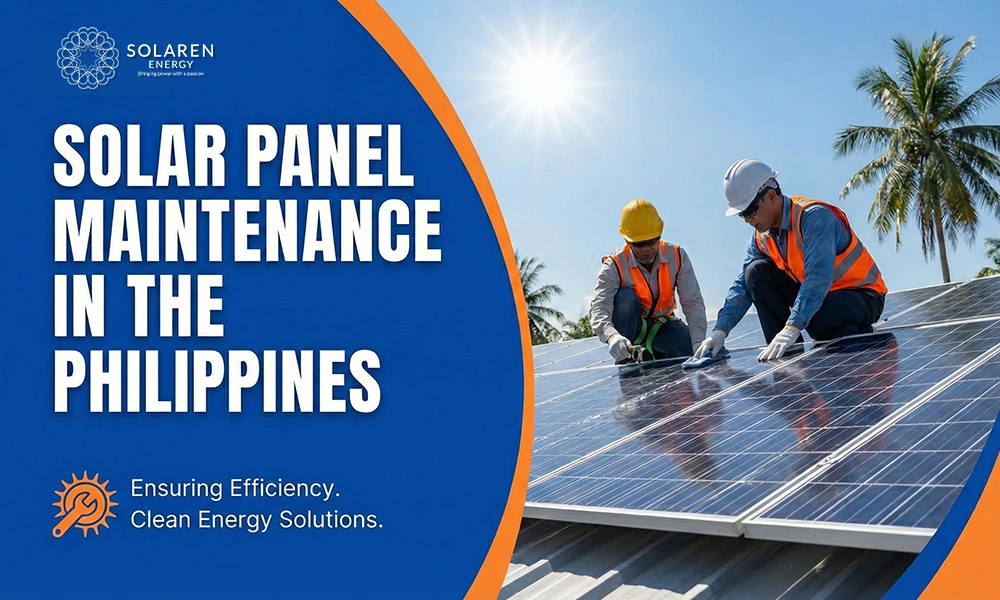
Cleaning should always be done safely. Use a soft sponge or microfiber cloth with clean water or mild detergent. Avoid hard brushes or abrasive materials that could scratch the surface. Never stand directly on the panels, and always shut off electrical components before washing. Many businesses and homeowners prefer to hire a solar maintenance company in the Philippines to handle this, as trained technicians know how to clean safely while also inspecting the system during the visit.
Regular Inspections and Performance Checks
Even if your panels look clean, there are other parts of the system that need attention. The inverter, for example, is the heart of your setup. It converts DC power from the panels into AC electricity for your appliances. Over time, its filters, fans, and electrical connections need inspection. Checking inverter logs once a month can help spot early warning signs such as error codes, sudden drops in output, or communication faults.
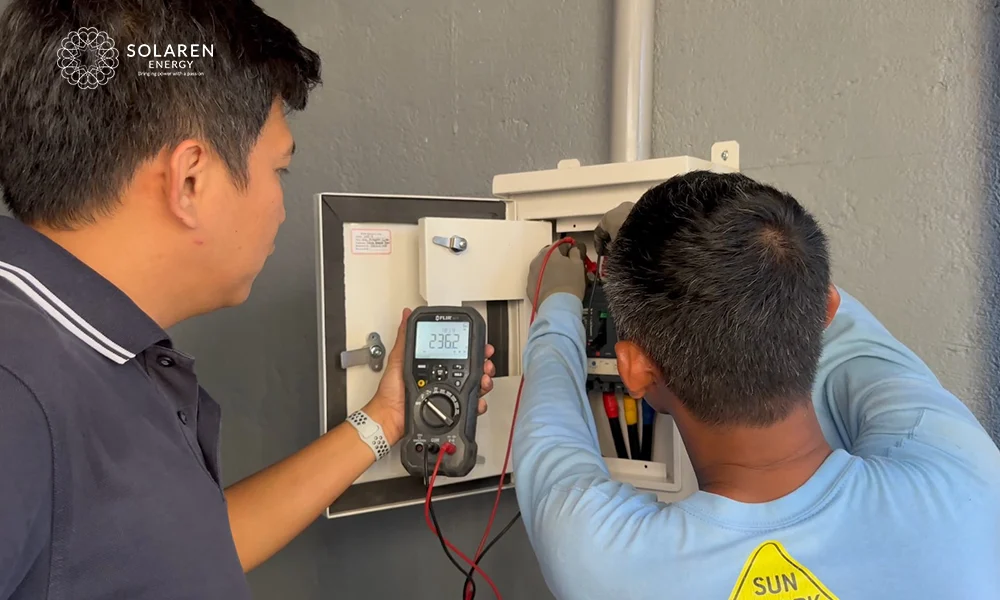
Professional solar panel servicing should include torque checks on mounting hardware, visual inspection for corrosion or cracks, and verification that the inverter’s settings match the system design. These preventive measures help extend component life and keep warranties valid.
Solaren Renewable Energy Solutions Corporation offers scheduled maintenance programs that combine cleaning, testing, and performance analysis. Their engineers use specialized monitoring tools to compare live data with expected generation, quickly detecting underperforming panels or loose connections. This proactive approach helps maintain output at near-original levels throughout the system’s lifetime.
Keeping Panels Efficient Year after Year
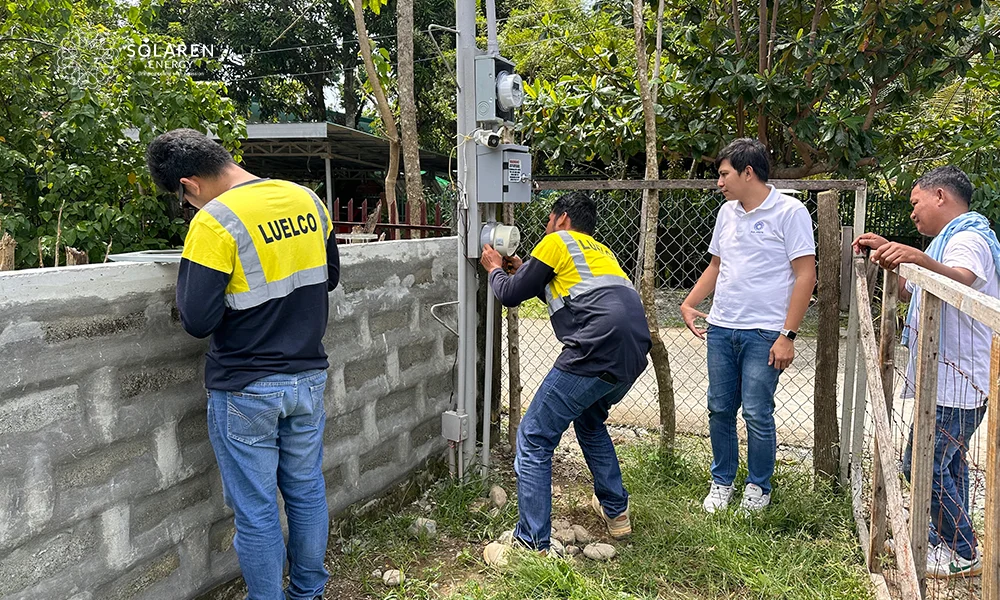
Solar performance naturally declines over time, but proper maintenance slows this process dramatically. Premium panels may degrade only 0.4 percent per year, but dirt, shading, and electrical issues can double that rate if ignored. By cleaning regularly and scheduling professional checks, owners protect their investment and maintain consistent returns.
A properly maintained solar system also provides more accurate monitoring data. Many owners use online portals to view real-time performance. If a drop in production occurs, it could be due to cloud cover, debris, or technical faults. Monitoring allows quick response, and when handled by a reliable solar maintenance company Philippines, most issues are resolved before the customer even notices.
Common Issues to Watch For
While solar systems are generally low-maintenance, certain problems appear more often in tropical environments. Moisture ingress can occur around cable glands or connectors, especially after heavy rain. Corrosion at mounting points is common in coastal areas. Birds nesting under panels can create shading and safety risks.
Electrical wear is another concern. Over years of operation, high temperatures can loosen terminal screws and cause hot spots. Routine preventive maintenance includes tightening these connections and scanning for abnormal heat using thermal imaging. For most clients, this inspection is part of a yearly service visit that also includes system testing and cleaning.
Why Professional Maintenance Pays Off
Some owners attempt to save money by skipping maintenance or assigning it to untrained workers. In the long run, this often costs more. Incorrect cleaning can scratch panels, cause microcracks, or damage wiring. Using untreated water can leave mineral deposits that scatter sunlight. Professional teams bring the right tools, safety gear, and understanding of how to work with high-voltage DC equipment.
The goal of maintenance is not just cleanliness but reliability. Regular servicing keeps warranties intact, ensures compliance with insurance requirements, and protects the long-term yield that your financial return depends on. For commercial systems, even a 5% drop in efficiency can translate into thousands of pesos in monthly losses.
A Practical Example
A manufacturing facility in Laguna partnered with Solaren for a preventive maintenance plan covering its one-megawatt solar installation. The contract included biannual cleaning, quarterly data reviews, and annual electrical testing. After three years of operation, the system continues to perform within one percent of its original output. In contrast, similar sites without formal maintenance report visible losses and frequent inverter alarms. For the Laguna facility, consistent performance means stable energy savings and uninterrupted production.
When to Schedule Service
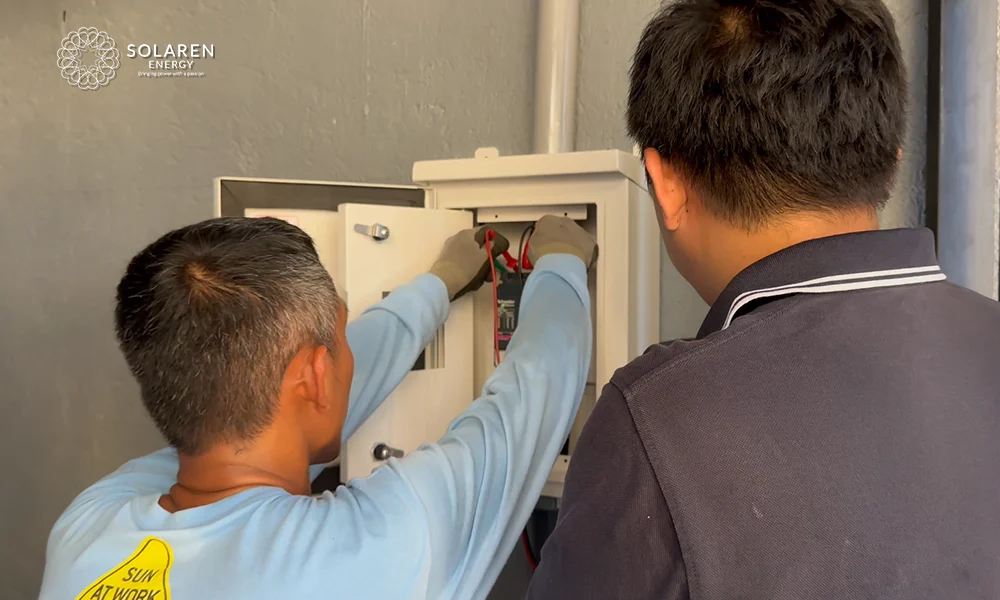
The best time for a full inspection is just before the dry season, when output will be highest, and again toward the end of the year after months of dust accumulation. Regular maintenance also prepares the system for strong winds and storms by checking mounts and cables for security. If you ever notice lower output or inverter faults, don’t wait for the next scheduled visit. Call your installer immediately to prevent damage.
The Long-Term Value of Maintenance
Solar power systems in the Philippines are built to last, but they thrive on attention. A clean and well-maintained array operates safely, produces more power, and maintains its return on investment for decades. Whether your setup powers a home or a commercial facility, taking maintenance seriously ensures that every ray of sunlight works in your favor.
For peace of mind and maximum performance, choose a partner like Solaren Renewable Energy Solutions Corporation. With in-house engineers, high-quality equipment, and nationwide experience, Solaren keeps systems operating efficiently from installation through their full lifespan. Reliable maintenance today guarantees reliable savings tomorrow.