Call Us

0917 879 6037

Send Mail

sales@solaren-power.com

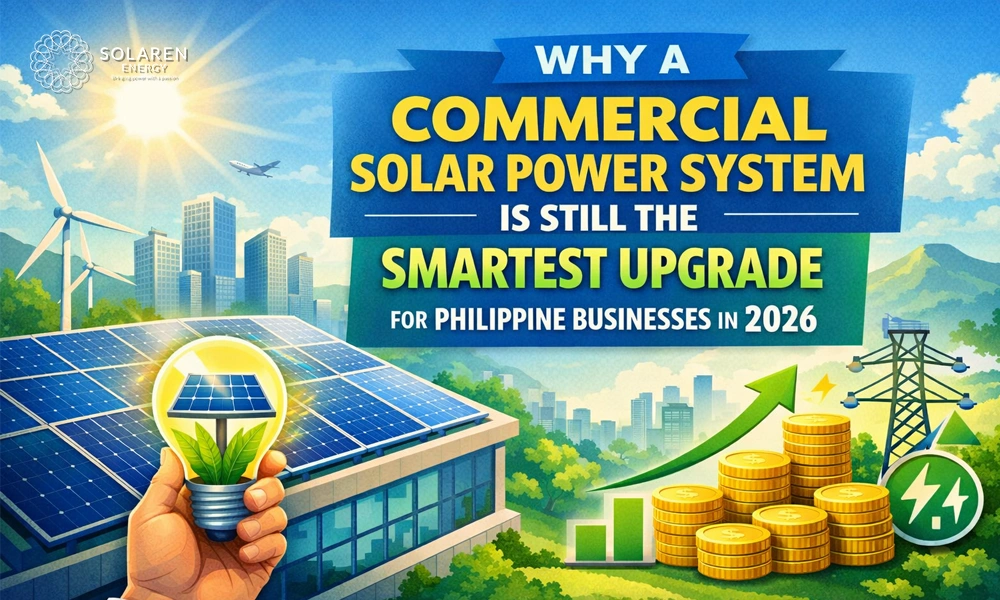
Why a Commercial Solar Power System is Still the Smartest Upgrade for Philippine Businesses in 2026

Why a Commercial Solar Power System is Still the Smartest Upgrade for Philippine Businesses in 2026

If you are running a business in the Philippines, you already know the challenge of staying ahead of rising costs and unpredictable power supply. Each time your utility bill jumps, or the grid becomes unstable, your attention shifts from growth to damage control. As 2026 draws nearer, many companies are choosing to take back control of their energy. A well-designed commercial solar power system in the Philippines is no longer just a smart option. It is one of the most practical and financially sound decisions a business can make.

It is About Control as Much as Savings

For years, solar conversations focused on long-term savings. Those savings remain impressive, but many Philippine companies are now choosing solar for an even stronger reason. It gives them control. Grid electricity rates change without warning. Fuel costs rise. Businesses absorb the impact every time the supply chain wobbles. Solar changes the equation by turning a major variable expense into a predictable and stable asset. When you generate your own daytime power, you lock in your cost for decades. Budgeting becomes easier. Growth planning becomes clearer. You remove uncertainty from one of your largest operating expenses.

Energy independence is a business strategy. When you make this shift, you are choosing a more secure operational model for the long term.

Understanding the Real Commercial Solar ROI

Bench Philippines

A commercial solar power system delivers value long before the first month of savings. Well-engineered systems in the Philippines often pay for themselves in three to five years. With panels guaranteed to perform for twenty-five years or more, the remaining decades become a period of pure financial return. Commercial solar ROI continues to grow each year as electricity prices climb. This transforms solar into an income-enhancing asset rather than a passive cost reduction tool.

Energy savings are only part of the picture. Solar systems can reduce exposure to outages, soften the impact of rate hikes, and help companies avoid the rising cost of generator fuel. These factors are difficult to quantify on paper, yet they play a major role in long-term financial health. When you consider all these components, solar becomes one of the strongest capital expenditures a Philippine business can make.

Solar also strengthens your position in global supply chains. International partners increasingly value companies that adopt renewable energy solutions in the Philippines. It shows forward thinking, environmental responsibility, and commitment to modern standards. While reputation may seem intangible, it influences partnerships and client trust more often than people realize.

Stability is the New Priority

The Philippine energy environment requires more than a basic installation. A commercial system must be designed around the realities of local climate, weather patterns, and building conditions. This is why choosing the right partner matters. You are not buying equipment. You are securing an engineered solution that works seamlessly with your facility.

A solar investment is significant, so engineering quality has to be precise. Your system needs to be durable, safe, and designed specifically for your energy profile and future expansion. This level of detail turns a rooftop system into a long-term, high-performing asset. If you want to see how this approach works in real commercial and industrial settings, you can explore our completed installations at https://solaren-power.com/projects. These projects reflect years of experience in designing systems that perform reliably across different sectors.

What an Expert Solar EPC Partner Really Delivers
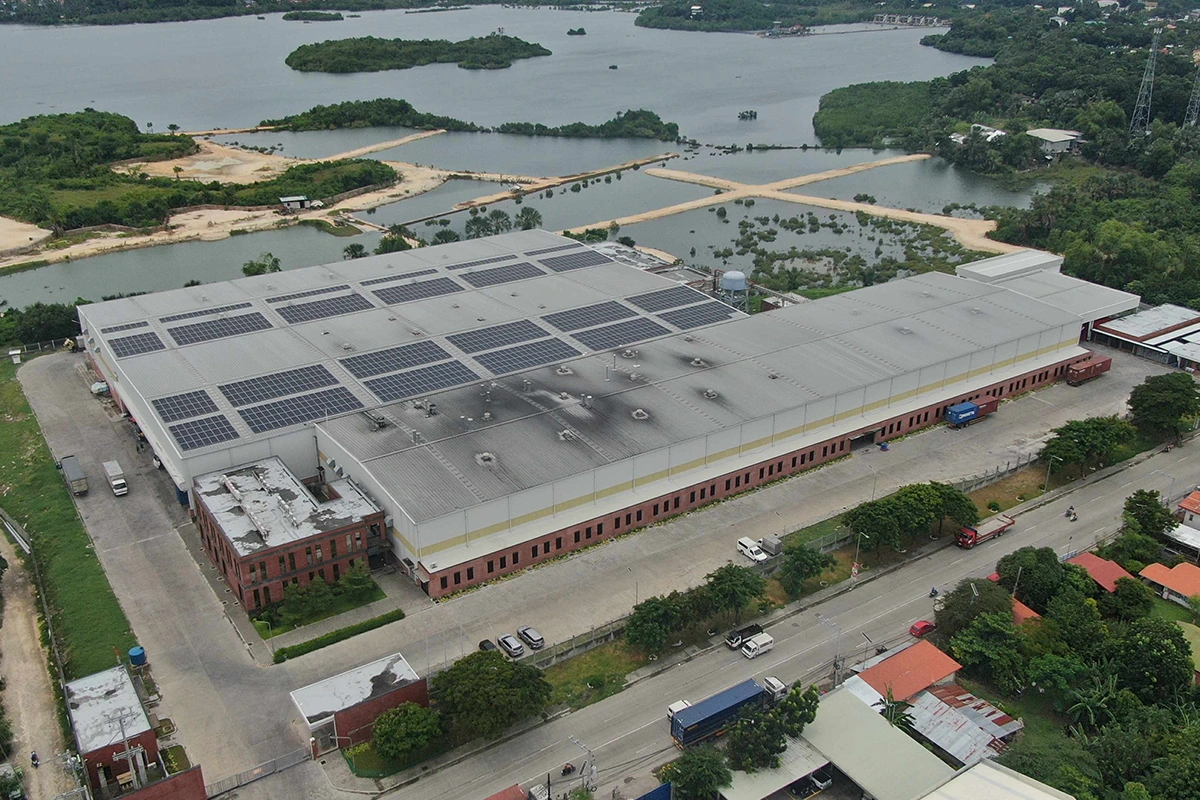
OISHI Cebu

An investment in a commercial solar system will certainly succeed or fail based on the quality of the EPC partner you choose. An EPC handles the complete engineering, procurement, and construction of your system. They should manage everything from initial assessment to final commissioning. The right partner studies your load profile, models your future needs, and selects equipment that can withstand the Philippines’ brutal climate.  Importantly, the EPC should ensure you optimize capital expenditure.

The process is not simply a matter of choosing panels and inverters and throwing them on a facility. The process involves ensuring proper structural assessments, electrical protection, interconnection approval, and compliance with safety standards. A seasoned EPC chooses reliable components from proven solar suppliers and understands how to integrate inverter technology for optimal efficiency. Their work determines how much energy your system produces, how long it lasts, and how seamlessly it can expand later.

Partnering with experts protects you from the risks of poor design or unreliable materials. When your EPC handles the project with full accountability, your investment performs exactly as promised and continues to deliver returns for years to come.

Solar as a Business Continuity Asset

Electricity is not just an insignificant background business overhead. It is a core part of any business’s resilience. When the grid fails, production stops, inventory can be damaged, and potential deadlines can be missed. The true cost of outages is measured in lost hours, lost revenue, and lost client confidence. A commercial solar power system provides your operations with stability during the day by generating energy on-site. Manufacturers, cold storage operators, retail chains, and logistics companies all rely on this consistency.

When paired with renewable energy storage solutions (BESS), solar becomes even more powerful. Batteries store excess energy and provide backup during brownouts, voltage drops, and sudden interruptions. This gives your facility clean, steady power at the exact moment it is needed. Competitors tied entirely to the grid cannot match this reliability.

For many companies, just one major outage is enough to justify the investment. Solar becomes both financial protection and operational insurance.

Preparing for the Future with Smart Technology
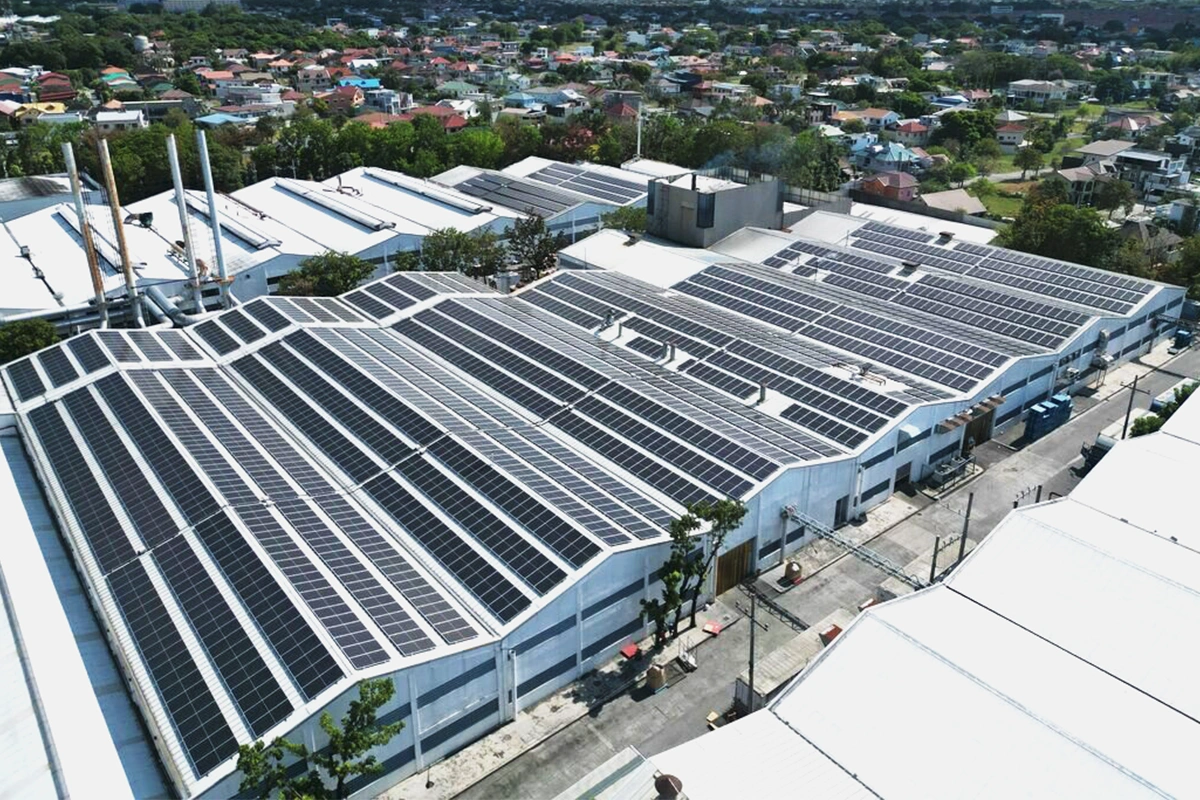
Oishi

The latest commercial solar installations in the Philippines are designed for long-term flexibility. Even if you are not installing batteries right away, your system can still be designed to accommodate them later. Many companies take this approach as they plan for higher self-consumption and greater protection against grid instability.

This future-ready mindset ensures your system adapts to new technologies and new energy requirements without costly redesigns. When you invest in a commercial solar power system that can evolve with your business, you are choosing certainty,  stability, control, and efficiency for many, many years to come.

Final Thoughts

A well-designed solar system does more than just lower bills. It restores control, supports growth, reduces risk, and strengthens competitive edge. For Philippine businesses preparing for the demands of 2026 and beyond, solar remains one of the most intelligent and potentially reliable upgrades available. It pays for itself in pesos saved and in the confidence that your operations can keep running even when the grid cannot.

Share this post:
THE SMART INVESTMENT FOR YOUR HOME OR BUSINESS

SWITCH TO SOLAR PV!

We take pride in providing cutting-edge technology and expertise to help our clients power the future with clean, sustainable energy.
solar energy

installation teams

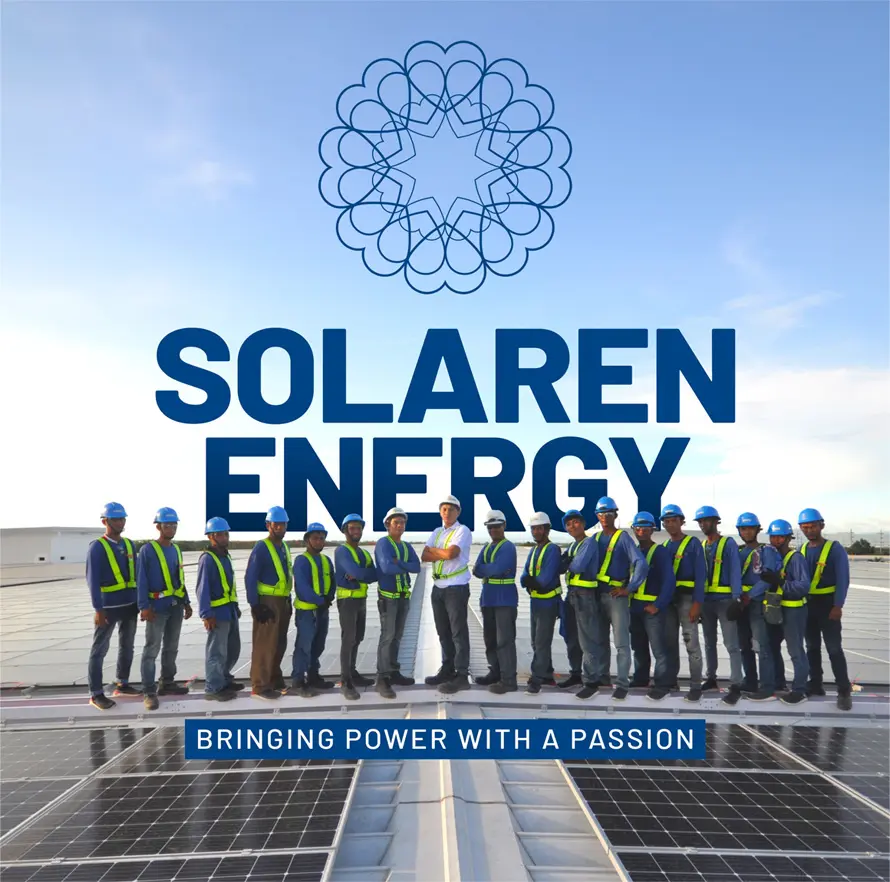
Solaren’s in-house installation teams deliver commercial and industrial solar projects with the consistency and precision that large sites demand. With several trained crews operating across the Philippines, we handle multiple installations simultaneously while maintaining high, uniform workmanship standards. Each team works closely with Solaren’s engineers to plan structural layouts, optimize wiring routes, position inverters for optimal performance, and integrate the system safely into the client’s existing electrical network. This level of coordination ensures clean execution on the roof and inside the facility, with every detail checked against strict safety and performance requirements. Our teams are experienced with complex environments, from homes to factories and warehouses, showrooms and food-production sites, and they follow a disciplined workflow that protects system performance for years. Because all installation work is performed by Solaren personnel, not subcontractors, clients receive complete accountability, better quality control, and systems built to deliver reliable energy from the day of commissioning.

JERRICO MIGUEL

Junior Electrical Engineer

Jerrico assists with electrical installation, testing, and commissioning across commercial PV systems. With 3 years of engineering experience, he supports senior engineers with wiring, system validation, and integration of monitoring systems. He has contributed to deployments for food manufacturing, warehousing, and commercial facilities.

Key Responsibilities

• Assist with wiring, conduit work, and panel installation
• Support testing, commissioning, and on-site validation
• Perform basic electrical troubleshooting and checks
• Document as-built work and site conditions
• Coordinate with senior engineers for daily tasks

ARNOLD NICOLE YOUNG

IT Specialist

Arnold manages and oversees Solaren’s IT infrastructure, Networking and monitoring platforms. With over seven years of IT and network experience, he maintains monitoring for hundreds of live systems nationwide, ensuring uptime, data security, and reliable performance visibility. He is CCNA-certified.  Arnold is responsible for coordinating the operations and maintenance of existing systems,

Key Responsibilities

• Manage O and M, monitoring portals and system dashboards
• Maintain IT networks and data security protocols
• Support engineers with diagnostics and remote checks
• Ensure uptime of client monitoring portals
• Implement updates and coordinate hardware integration

JOHN RUDOLF SIGUA

PV Design Engineer

John specializes in system modelling, layout design, and performance simulation for commercial and industrial projects. A Registered Electrical Engineer with five years of design experience, he works with PVsyst, AutoCAD, and utility-compliant PEC standards. He supports commissioning and troubleshooting to ensure accurate performance and reliable operation.

Key Responsibilities

• Prepare PV system layouts, modelling, and energy simulations
• Size components for optimal performance and compliance
• Produce design packages for permitting and construction
• Support commissioning, technical checks, and system validation
• Provide troubleshooting for design-related issues

EJ P. ERESE

Onsite Project Manager

EJ oversees daily on-site installation for commercial and industrial PV systems, coordinating manpower, safety, and client updates. A Registered Electrical Engineer, Registered Master Electrician, and Safety Officer 2, he brings six years of field experience and has supervised crews on multiple multi-MWp deployments with strong safety records.

Key Responsibilities

• Direct daily on-site installation and crew assignments
• Enforce safety compliance and conduct toolbox meetings
• Track progress and report updates to project managers
• Validate installation work against approved designs
• Support testing, energization, and turnover

CARLO BENJAMIN NUCUM

Senior Project Manager

Carlo has long led the company’s engineering teams across full project lifecycles, from planning to commissioning. He has delivered multi-MWp systems for clients such as Liwayway Marketing, Bench, Toyota, New Zealand Creamery, and Atlantic Grains. A Registered Electrical Engineer with more than eight years of experience, he manages and oversees PEC-compliant installations and quality control across commercial and industrial sites.

Key Responsibilities

• Lead project teams and manage end-to-end delivery in entirety
• Oversee installation quality, safety, and technical compliance
• Coordinate with clients, suppliers, and engineering groups
• Review electrical plans and validate system performance
• Supervise testing, commissioning, and turnover documentation

Christopher Henry Hutchings

Sales Director

Chris brings four decades of international finance experience, including senior leadership roles in Hong Kong where he still qualifies as a Responsible Officer under the Hong Kong Securities and Exchange Commission requirements. His background in Private Wealth, managing client portfolios and evaluating long-term financial strategies allows him to help enterprise clients assess solar investments with clarity and confidence. Chris leads Solaren’s commercial sales strategy, working with clients to structure accurate proposals, reliably analyses return expectations, and build sustainable partnerships. He collaborates closely with engineering and procurement teams to ensure every system is designed, priced, and projected with precision.

Key Responsibilities

• Leadership of enterprise and commercial sales strategy
• Client advisory on ROI, system design, and financial planning
• Proposal development with engineering and procurement teams
• Partnership building across commercial and industrial sectors
• Risk and value assessment for large-scale solar investments
• Reliable and trusted representation of Solaren in high-level client engagements and negotiations

Ronnie C. Lorenzo

General Manager & Corporate Secretary

Ronnie manages Solaren’s day-to-day operations, coordinating procurement, logistics, manpower, and documentation across all active project sites. He supervises regulatory submissions, contract execution, and local permitting to ensure every deployment remains compliant and on schedule. His critical role connects engineering, procurement, and administrative teams so projects move efficiently from planning to installation and commissioning. As Corporate Secretary, he maintains board records, supports executive reporting, and ensures transparency across the company’s internal processes and external commitments.

Key Responsibilities

• Daily operations, scheduling, and logistics
• Procurement coordination and supplier management
• Contract execution and regulatory submissions
• On-site documentation and compliance tracking
• Cross-team coordination from planning to commissioning
• Corporate Secretary duties and board record management

Anicia Pearce

President

Ann leads corporate governance, financial discipline, and regulatory compliance for Solaren, ensuring full alignment with the companies ever growing regulatory requirements. She manages audit readiness, internal controls, and risk management across all departments. Her work anchors the company’s expanding operations, providing clear structures for procurement, contracting, and documentation. Ann also oversees systems that ensure complete records and proper regulatory filings support each project from planning to commissioning. Her no-nonsense leadership reinforces Solaren’s credibility with clients, partners, and government agencies as the company continues to handle larger commercial and industrial portfolios.


Key Responsibilities

• Corporate governance and regulatory compliance
• Financial controls, budgeting, and audit readiness
• Risk management and operational discipline
• Oversight of contracting, documentation, and procurement workflows
• Alignment with all regulatory and Government standards
• Executive support for cross-department operations

Neil H. Pearce

Managing Director

Neil leads Solaren’s strategic planning and oversees all commercial, financial, and operational decisions across the company’s national portfolio. He brings over three decades of experience across Asia’s financial markets, including his past work and key Directorships for several private wealth management companies in Hong Kong. He guides capital allocation, project evaluation, and long-term planning while strengthening supplier relationships with global partners. Neil has overseen more than 85 MW of commercial, industrial, and residential installations and continues to steer Solaren’s expansion into AI-driven monitoring, energy storage, and enterprise-scale engineering systems. He also serves as a director for several regional companies.


Key Responsibilities

• Strategic direction and long-term planning
• Capital allocation and project funding oversight
• Partnership management with global suppliers
• Corporate governance and executive decision-making
• Evaluation of commercial and industrial project pipelines
• Expansion into energy storage and digital monitoring, together with Artificial Intelligence

Renewable Energy Solutions

GET A QUOTE