Call Us

0917 879 6037

Send Mail

sales@solaren-power.com

How Energy Storage Solutions Are Transforming Business Power Strategies in the Philippines

energy storage solutions

For businesses in the Philippines, managing energy costs and reliability has become a daily challenge. With rising utility rates and unpredictable power outages, more companies are shifting to energy storage solutions as a strategic response. These systems aren’t just for emergencies; they’re helping businesses lower expenses, stabilize operations, and take full control of their energy usage.

What Are Energy Storage Solutions?

Energy storage solutions use batteries, most commonly lithium-iron-phosphate (LFP), to store electricity produced by solar panels or pulled from the grid. This stored energy can then be used when rates are highest or during blackouts. Unlike traditional backup generators, these systems operate silently, require little maintenance, and deliver real cost savings every day.

Why Storage Makes Sense in 2025
customized energy solutions

Electricity costs in the Philippines can surge above ₱12 per kWh during late afternoon and early evening. Many businesses experience their highest energy demand precisely during these windows. Add to that the ongoing issue of brownouts or maintenance-related outages, and it’s clear why energy storage is becoming a mainstream solution.

Top reasons businesses are adopting storage today:

  • Cut peak-hour electricity charges
  • Provide backup during grid failures
  • Extend solar energy use beyond daylight hours
  • Improve visibility and control over energy consumption

Business Applications Across Industries

Energy storage is proving valuable in nearly every commercial sector:

  • Manufacturing – Keep production lines running and protect voltage-sensitive equipment
  • Retail & Hospitality – Maintain POS systems, lighting, and refrigeration through outages
  • Cold Storage – Avoid spoilage by running compressors on stored solar overnight
  • Office Buildings – Manage HVAC and lighting efficiently, even when grid supply drops
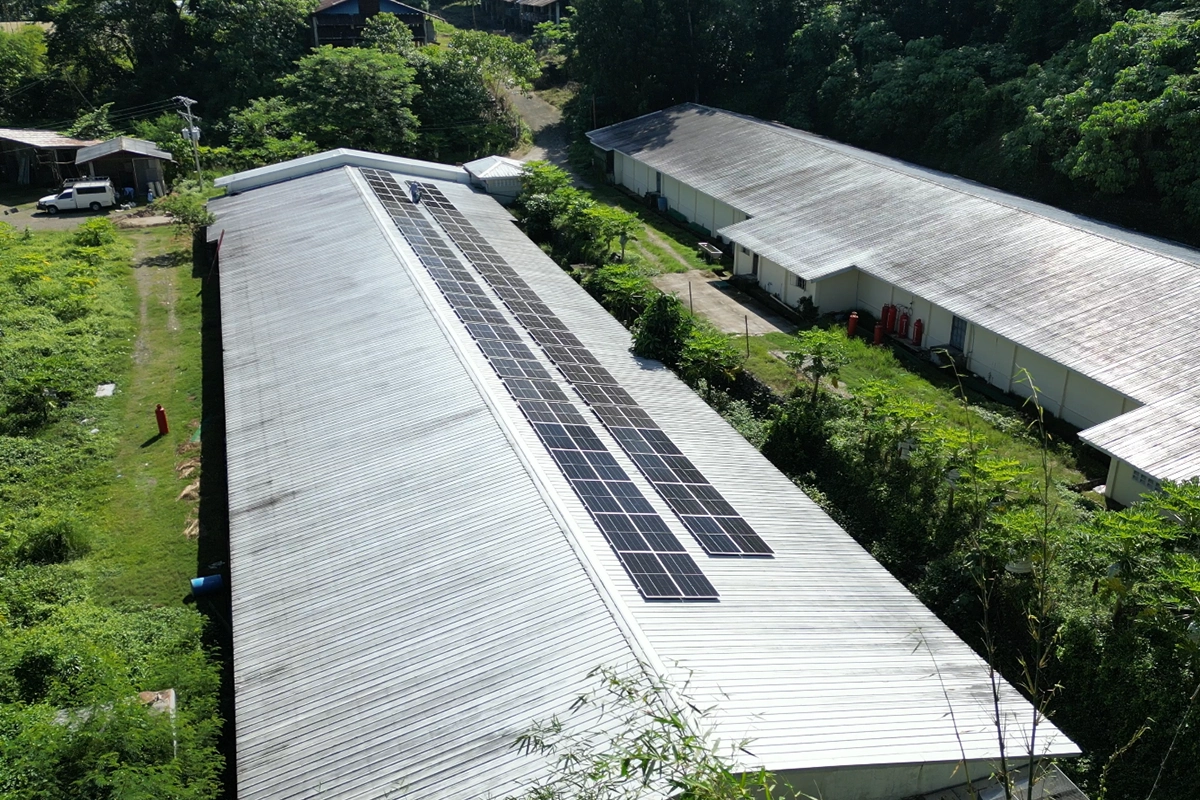
Jorisan Farm

Energy storage also plays a practical role in agricultural operations with continuous loads. At Jorisan Farm, a poultry facility with steady daytime and night-time demand, a modest battery addition was integrated into the existing solar system to stabilize operations and reduce reliance on the grid during evening hours. The battery supports ventilation, lighting, and critical controls, improving operational consistency while lowering peak-hour grid consumption. This shows how even small storage systems can deliver meaningful benefits in energy-intensive farming environments.

When implemented with guidance from a renewable energy company Philippines, storage systems are optimized to match the business’s daily operations and energy profile.

System Components and How They Work
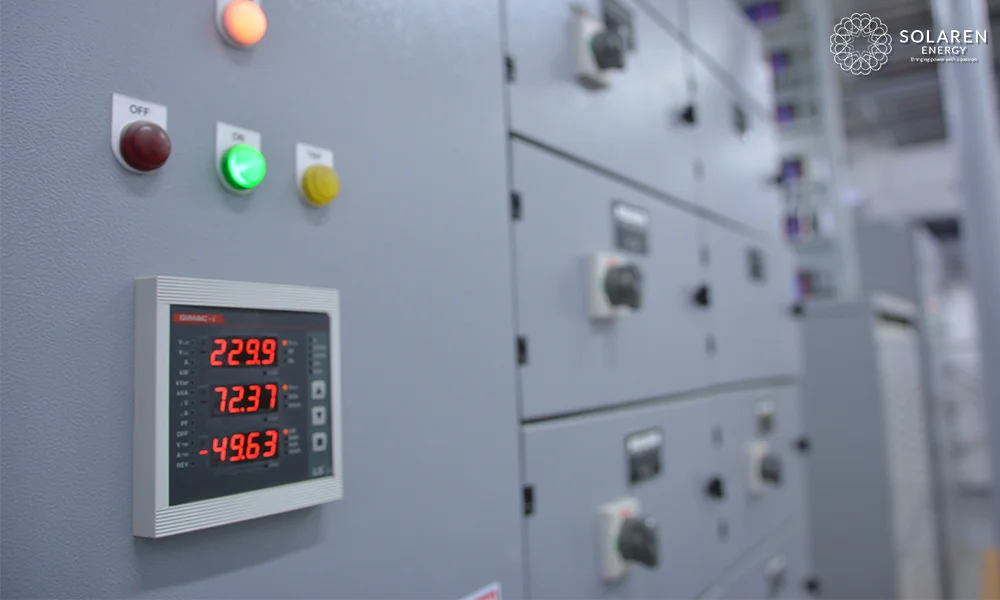
commercial solar energy systems

A complete energy storage solution typically includes:

  • Lithium-iron-phosphate batteries – High cycle life, safe chemistry, excellent for daily cycling
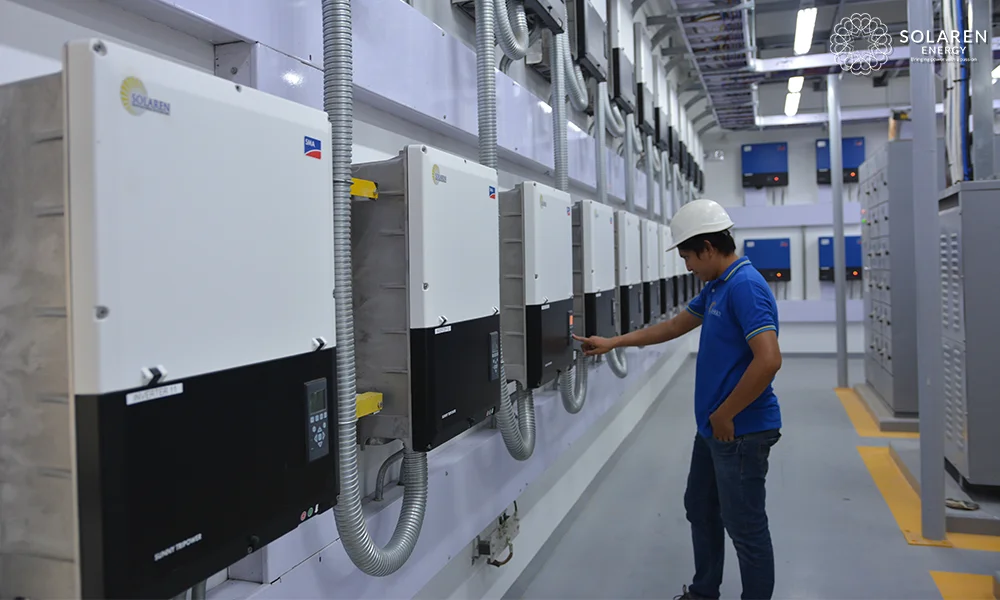
  • Hybrid inverters – Charge from solar during the day and discharge automatically when needed
  • Energy management software – Balances loads and controls when and how energy is stored or used
  • Remote monitoring tools – Provide real-time performance data and automatic alerts
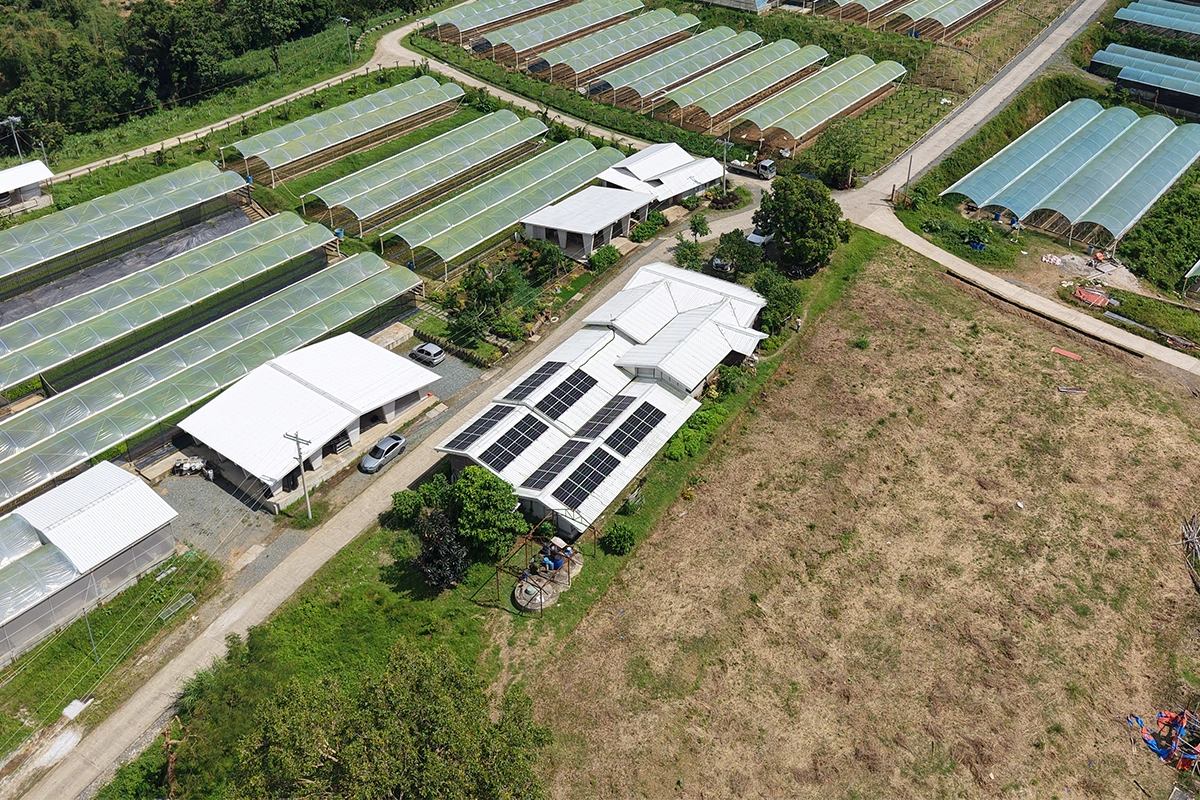
Kayrilaw

In areas with highly unstable grid supply, storage becomes essential rather than optional. Kayrilaw Organic Farm operates as a fully hybrid system in a location prone to frequent voltage fluctuations and outages. Batteries are used to carry critical agricultural loads through grid interruptions while hybrid inverters and energy management controls prioritize on-site solar generation. This setup allows farm operations to remain stable despite unreliable utility power, illustrating how storage underpins resilience in remote or grid-challenged regions.

These components work together to reduce grid reliance and improve uptime.

Case Study: Retail Chain in Quezon Province

A regional retail chain operating four locations in Quezon installed a 480 kW solar system with a 300 kWh LFP battery. The goal was to reduce high energy costs during evening operating hours and avoid losses from brownouts.

Within three months:

  • Peak-hour grid draw was reduced by 45%
  • Monthly electricity bills dropped by over ₱550,000
  • No product loss occurred during three separate power outages
  • ROI is now projected at just four years

How to Properly Size a Battery System

Energy storage is not a plug-and-play solution. A reputable solar power company will start by evaluating:

  • 24-hour load curves across the week and season
  • The portion of load needing backup
  • Your current energy costs and utility tariff brackets

For example, a business consuming 400 kWh at night might benefit from a 240–300 kWh battery bank. The exact capacity depends on whether the battery will offset costs, provide emergency backup, or both.

Low-Maintenance, High-Reliability
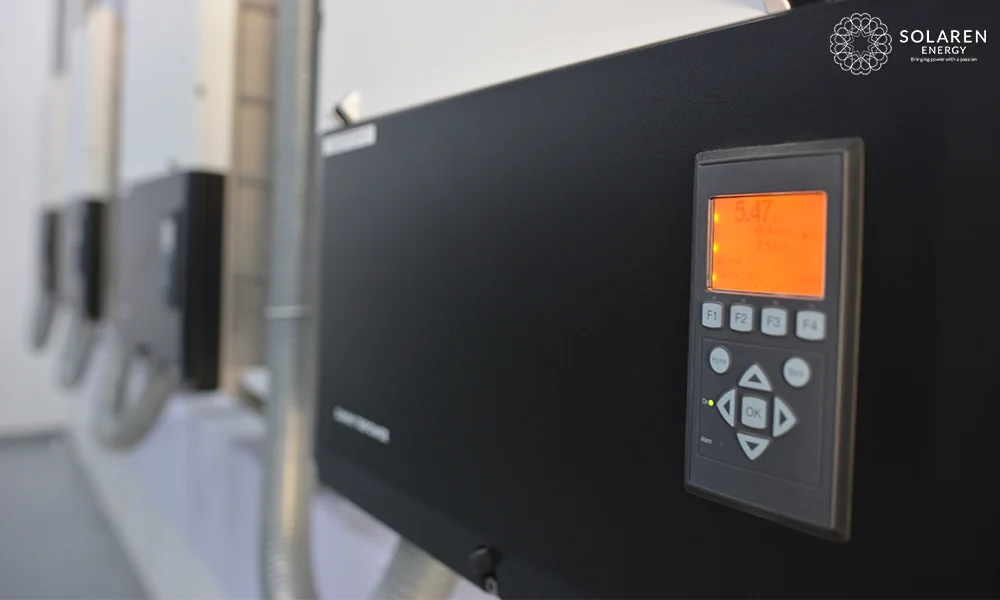
solar installation Philippines

Modern battery systems are designed for longevity and ease of use. Typical features include:

  • Fire-retardant battery housings
  • Gas detection and automatic ventilation
  • Smart charge/discharge algorithms
  • Predictive maintenance alerts through remote software

With regular quarterly checks, most systems deliver reliable performance for 10 years or more. Many solar panel supplier Philippines partners to bundle ongoing support and warranties into installation contracts.

Financing and ROI

Energy storage systems are often financed alongside commercial solar energy systems. Many providers offer 3–5 year payment terms at 6–8% APR. In many cases, energy savings begin covering the loan from the first month, delivering positive cash flow immediately.

For businesses with high energy usage and operating through evening hours, storage drastically reduces overhead without requiring upfront capital.

Why Storage Belongs in Your Energy Plan

Energy storage is no longer a niche investment; it’s the new normal for power-conscious companies in the Philippines. It offers real savings, real uptime protection, and real control over how and when your business uses electricity.

By integrating energy storage into a broader strategy that includes solar installation Philippines services and customized energy solutions, companies can future-proof their operations while building long-term financial resilience.
Share this post:
THE SMART INVESTMENT FOR YOUR HOME OR BUSINESS

SWITCH TO SOLAR PV!

We take pride in providing cutting-edge technology and expertise to help our clients power the future with clean, sustainable energy.
solar energy

installation teams

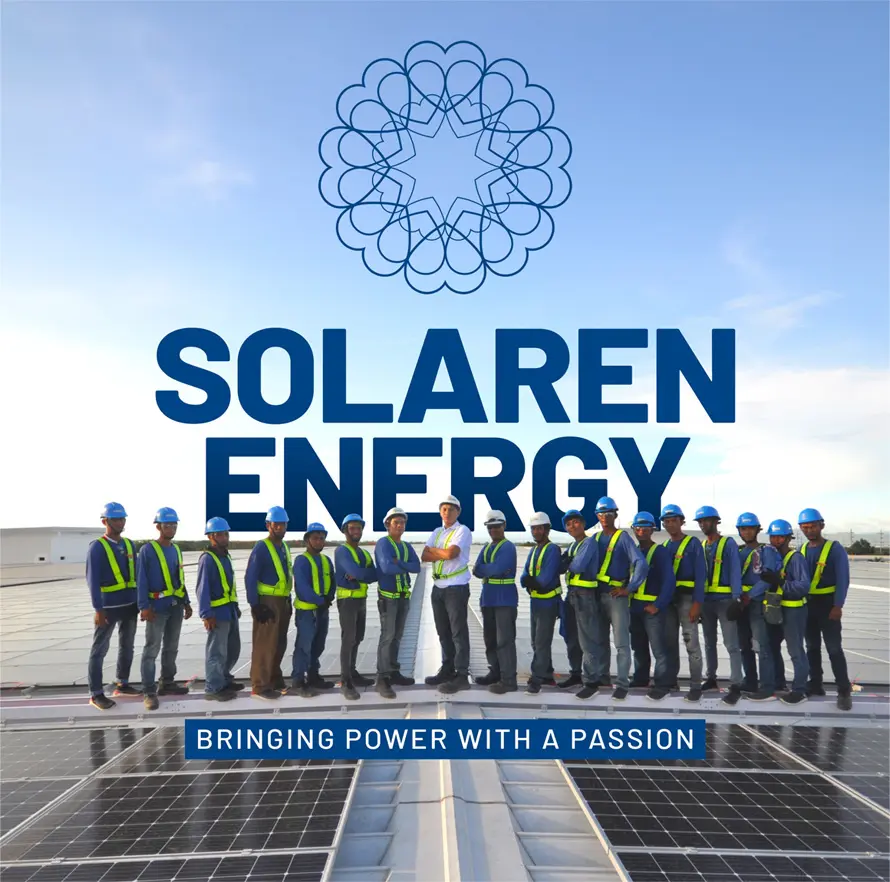
Solaren’s in-house installation teams deliver commercial and industrial solar projects with the consistency and precision that large sites demand. With several trained crews operating across the Philippines, we handle multiple installations simultaneously while maintaining high, uniform workmanship standards. Each team works closely with Solaren’s engineers to plan structural layouts, optimize wiring routes, position inverters for optimal performance, and integrate the system safely into the client’s existing electrical network. This level of coordination ensures clean execution on the roof and inside the facility, with every detail checked against strict safety and performance requirements. Our teams are experienced with complex environments, from homes to factories and warehouses, showrooms and food-production sites, and they follow a disciplined workflow that protects system performance for years. Because all installation work is performed by Solaren personnel, not subcontractors, clients receive complete accountability, better quality control, and systems built to deliver reliable energy from the day of commissioning.

JERRICO MIGUEL

Junior Electrical Engineer

Jerrico assists with electrical installation, testing, and commissioning across commercial PV systems. With 3 years of engineering experience, he supports senior engineers with wiring, system validation, and integration of monitoring systems. He has contributed to deployments for food manufacturing, warehousing, and commercial facilities.

Key Responsibilities

• Assist with wiring, conduit work, and panel installation
• Support testing, commissioning, and on-site validation
• Perform basic electrical troubleshooting and checks
• Document as-built work and site conditions
• Coordinate with senior engineers for daily tasks

ARNOLD NICOLE YOUNG

IT Specialist

Arnold manages and oversees Solaren’s IT infrastructure, Networking and monitoring platforms. With over seven years of IT and network experience, he maintains monitoring for hundreds of live systems nationwide, ensuring uptime, data security, and reliable performance visibility. He is CCNA-certified.  Arnold is responsible for coordinating the operations and maintenance of existing systems,

Key Responsibilities

• Manage O and M, monitoring portals and system dashboards
• Maintain IT networks and data security protocols
• Support engineers with diagnostics and remote checks
• Ensure uptime of client monitoring portals
• Implement updates and coordinate hardware integration

JOHN RUDOLF SIGUA

PV Design Engineer

John specializes in system modelling, layout design, and performance simulation for commercial and industrial projects. A Registered Electrical Engineer with five years of design experience, he works with PVsyst, AutoCAD, and utility-compliant PEC standards. He supports commissioning and troubleshooting to ensure accurate performance and reliable operation.

Key Responsibilities

• Prepare PV system layouts, modelling, and energy simulations
• Size components for optimal performance and compliance
• Produce design packages for permitting and construction
• Support commissioning, technical checks, and system validation
• Provide troubleshooting for design-related issues

EJ P. ERESE

Onsite Project Manager

EJ oversees daily on-site installation for commercial and industrial PV systems, coordinating manpower, safety, and client updates. A Registered Electrical Engineer, Registered Master Electrician, and Safety Officer 2, he brings six years of field experience and has supervised crews on multiple multi-MWp deployments with strong safety records.

Key Responsibilities

• Direct daily on-site installation and crew assignments
• Enforce safety compliance and conduct toolbox meetings
• Track progress and report updates to project managers
• Validate installation work against approved designs
• Support testing, energization, and turnover

CARLO BENJAMIN NUCUM

Senior Project Manager

Carlo has long led the company’s engineering teams across full project lifecycles, from planning to commissioning. He has delivered multi-MWp systems for clients such as Liwayway Marketing, Bench, Toyota, New Zealand Creamery, and Atlantic Grains. A Registered Electrical Engineer with more than eight years of experience, he manages and oversees PEC-compliant installations and quality control across commercial and industrial sites.

Key Responsibilities

• Lead project teams and manage end-to-end delivery in entirety
• Oversee installation quality, safety, and technical compliance
• Coordinate with clients, suppliers, and engineering groups
• Review electrical plans and validate system performance
• Supervise testing, commissioning, and turnover documentation

Christopher Henry Hutchings

Sales Director

Chris brings four decades of international finance experience, including senior leadership roles in Hong Kong where he still qualifies as a Responsible Officer under the Hong Kong Securities and Exchange Commission requirements. His background in Private Wealth, managing client portfolios and evaluating long-term financial strategies allows him to help enterprise clients assess solar investments with clarity and confidence. Chris leads Solaren’s commercial sales strategy, working with clients to structure accurate proposals, reliably analyses return expectations, and build sustainable partnerships. He collaborates closely with engineering and procurement teams to ensure every system is designed, priced, and projected with precision.

Key Responsibilities

• Leadership of enterprise and commercial sales strategy
• Client advisory on ROI, system design, and financial planning
• Proposal development with engineering and procurement teams
• Partnership building across commercial and industrial sectors
• Risk and value assessment for large-scale solar investments
• Reliable and trusted representation of Solaren in high-level client engagements and negotiations

Ronnie C. Lorenzo

General Manager & Corporate Secretary

Ronnie manages Solaren’s day-to-day operations, coordinating procurement, logistics, manpower, and documentation across all active project sites. He supervises regulatory submissions, contract execution, and local permitting to ensure every deployment remains compliant and on schedule. His critical role connects engineering, procurement, and administrative teams so projects move efficiently from planning to installation and commissioning. As Corporate Secretary, he maintains board records, supports executive reporting, and ensures transparency across the company’s internal processes and external commitments.

Key Responsibilities

• Daily operations, scheduling, and logistics
• Procurement coordination and supplier management
• Contract execution and regulatory submissions
• On-site documentation and compliance tracking
• Cross-team coordination from planning to commissioning
• Corporate Secretary duties and board record management

Anicia Pearce

President

Ann leads corporate governance, financial discipline, and regulatory compliance for Solaren, ensuring full alignment with the companies ever growing regulatory requirements. She manages audit readiness, internal controls, and risk management across all departments. Her work anchors the company’s expanding operations, providing clear structures for procurement, contracting, and documentation. Ann also oversees systems that ensure complete records and proper regulatory filings support each project from planning to commissioning. Her no-nonsense leadership reinforces Solaren’s credibility with clients, partners, and government agencies as the company continues to handle larger commercial and industrial portfolios.


Key Responsibilities

• Corporate governance and regulatory compliance
• Financial controls, budgeting, and audit readiness
• Risk management and operational discipline
• Oversight of contracting, documentation, and procurement workflows
• Alignment with all regulatory and Government standards
• Executive support for cross-department operations

Neil H. Pearce

Managing Director

Neil leads Solaren’s strategic planning and oversees all commercial, financial, and operational decisions across the company’s national portfolio. He brings over three decades of experience across Asia’s financial markets, including his past work and key Directorships for several private wealth management companies in Hong Kong. He guides capital allocation, project evaluation, and long-term planning while strengthening supplier relationships with global partners. Neil has overseen more than 85 MW of commercial, industrial, and residential installations and continues to steer Solaren’s expansion into AI-driven monitoring, energy storage, and enterprise-scale engineering systems. He also serves as a director for several regional companies.


Key Responsibilities

• Strategic direction and long-term planning
• Capital allocation and project funding oversight
• Partnership management with global suppliers
• Corporate governance and executive decision-making
• Evaluation of commercial and industrial project pipelines
• Expansion into energy storage and digital monitoring, together with Artificial Intelligence

Renewable Energy Solutions

GET A QUOTE