For many Philippine companies, the question is no longer whether solar makes sense, but how soon it will pay off. The country’s electricity rates remain among the highest in Asia, and every year they climb higher. That pressure on operating costs is why more business owners now look closely at the return on investment, or ROI, from solar. When you can see clear numbers on payback period and internal rate of return, the value becomes impossible to ignore.
Why ROI matters now more than ever
Energy is often the second largest expense for factories, offices, and retail spaces in the Philippines. Solar power changes that equation. Every kilowatt-hour you generate on your roof is one you don’t have to buy from the grid. When companies ask how solar energy saves money, the answer is surprisingly simple: it replaces your most volatile cost with a predictable one.
In most well-engineered commercial systems, the payback period ranges from three to five years. After that, every peso saved goes straight back into your operations. For the rest of the system’s twenty-plus-year lifespan, you’re essentially producing clean power at no cost.
Understanding ROI, payback period, and IRR

Return on investment measures how much you earn compared to what you spend. For solar, your returns come from monthly electricity savings, lower demand charges, and in some cases, credits from exporting power to the grid through net metering. The payback period simply shows how long it takes for those savings to equal your initial cost. Once that mark is reached, the system has paid for itself.
The internal rate of return, or IRR, goes a step further by showing how efficiently your investment grows over time. A typical industrial solar project in the Philippines often achieves an IRR between 18 and 25 percent, which is well above most conservative financial instruments. When businesses pair solar with financing programs that spread out payments, the effective return can rise even higher.
A manufacturing plant example
One of Solaren’s clients, a manufacturing facility in Pampanga, installed a 500-kilowatt rooftop system. The total project cost was about thirty million pesos. By generating its own power, the plant now saves roughly seven hundred thousand pesos a month in avoided electricity bills. The math is easy: annual savings of about 8.4 million pesos, meaning the system will recover its full cost in just over three and a half years. With an expected lifespan of twenty-five years, the company is projected to save more than 150 million pesos overall. That’s a real internal rate of return of roughly 22 percent, achieved without a single day of downtime since commissioning.
A warehouse with net metering
Another project in Bulacan involved a retail warehouse that runs mostly during the day. Solaren designed a 250-kilowatt system connected to the grid under a net metering arrangement. On sunny days, excess generation flows back to the utility and earns credits, reducing the next month’s bill. Average monthly savings now total about three hundred and sixty thousand pesos. The initial fifteen-million-peso investment is expected to break even in just under four years. This combination of self-consumption and export credits makes the operation more stable and predictable than ever before.
Solar in education
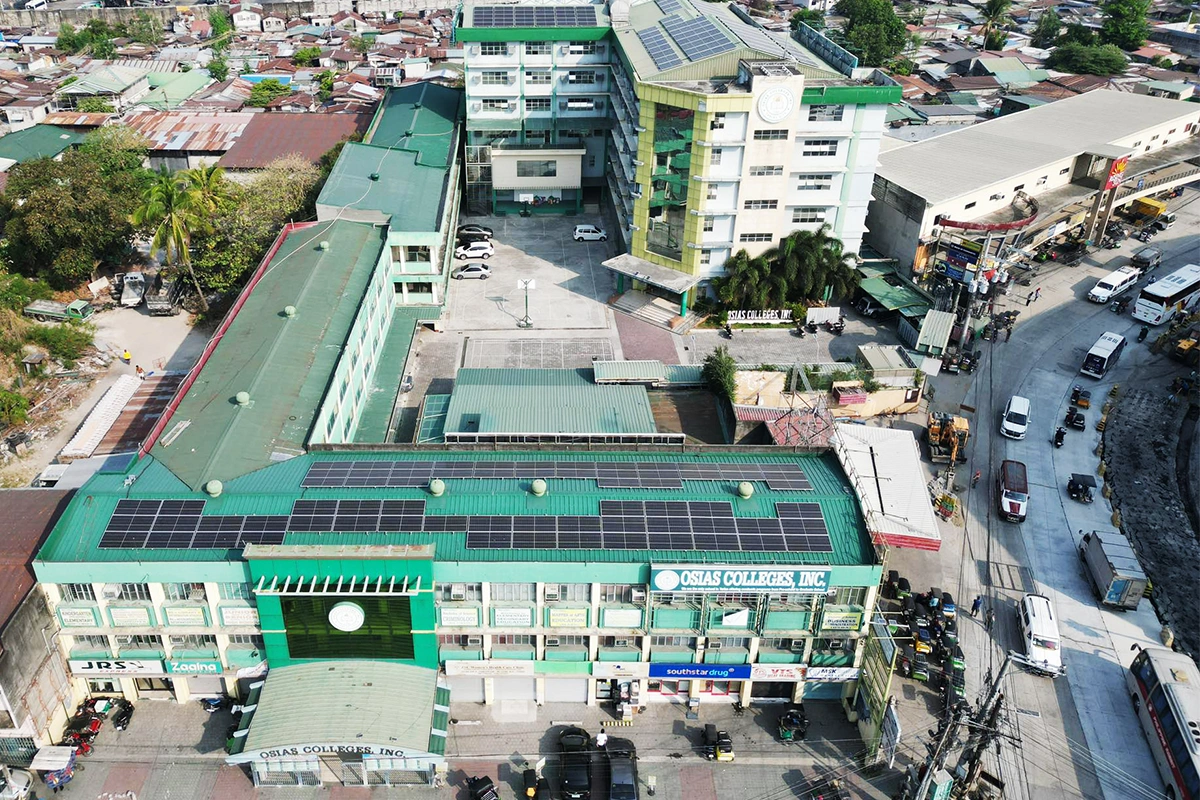
Even schools are finding strong financial benefits. A private university in Tarlac recently completed a one-hundred-kilowatt installation. The project cost around six million pesos and now saves about one hundred thousand pesos a month. The school expects to reach full payback within five years and enjoy twenty years or more of clean, low-cost energy afterward. The decision was both financial and educational, since the solar array also serves as a live learning model for students studying sustainability.
What affects your solar ROI
Several factors determine how fast a project pays off. The first is your existing electricity rate. The higher you pay per kilowatt-hour, the faster the returns. Commercial and industrial accounts typically recover costs sooner than residential ones because their daytime demand matches solar production perfectly.
System design also plays a key role. A properly sized array that matches your load profile will yield better results than a generic package system. Equipment quality makes a long-term difference too. Solaren uses European inverters and Tier-1 panels with long warranties to maintain consistent performance for decades.
Financing structure matters as well. Paying cash gives you the highest lifetime ROI, but green loans and lease-to-own arrangements can make adoption easier. Many banks now offer rates between six and eight percent for renewable energy projects, far below the expected return on solar. Finally, joining the net metering program increases total yield by turning surplus energy into bill credits. Solaren’s long history with Meralco and other utilities ensures smoother approvals and faster processing.
Typical performance by sector
Commercial buildings usually achieve between 18 and 25 percent IRR with a payback period of three to five years. Industrial facilities with heavy daytime loads reach even higher, often between 20 and 30 percent in as little as three to four years. Schools and institutional users typically see a 15 to 20 percent IRR with a four- to six-year recovery. These figures vary by site, but they consistently outperform most other capital investments available to local businesses.
The role of energy storage
Adding batteries to a solar setup can push ROI even further by extending solar use into the evening. While it raises initial costs, it reduces generator fuel, covers nighttime operations, and protects against power interruptions. Solaren’s energy storage solutions rely on Lithium Iron Phosphate (LFP) batteries that last ten to fifteen years. For continuous operations like cold storage or food processing, that added reliability often justifies the investment.
Solar compared to other investments
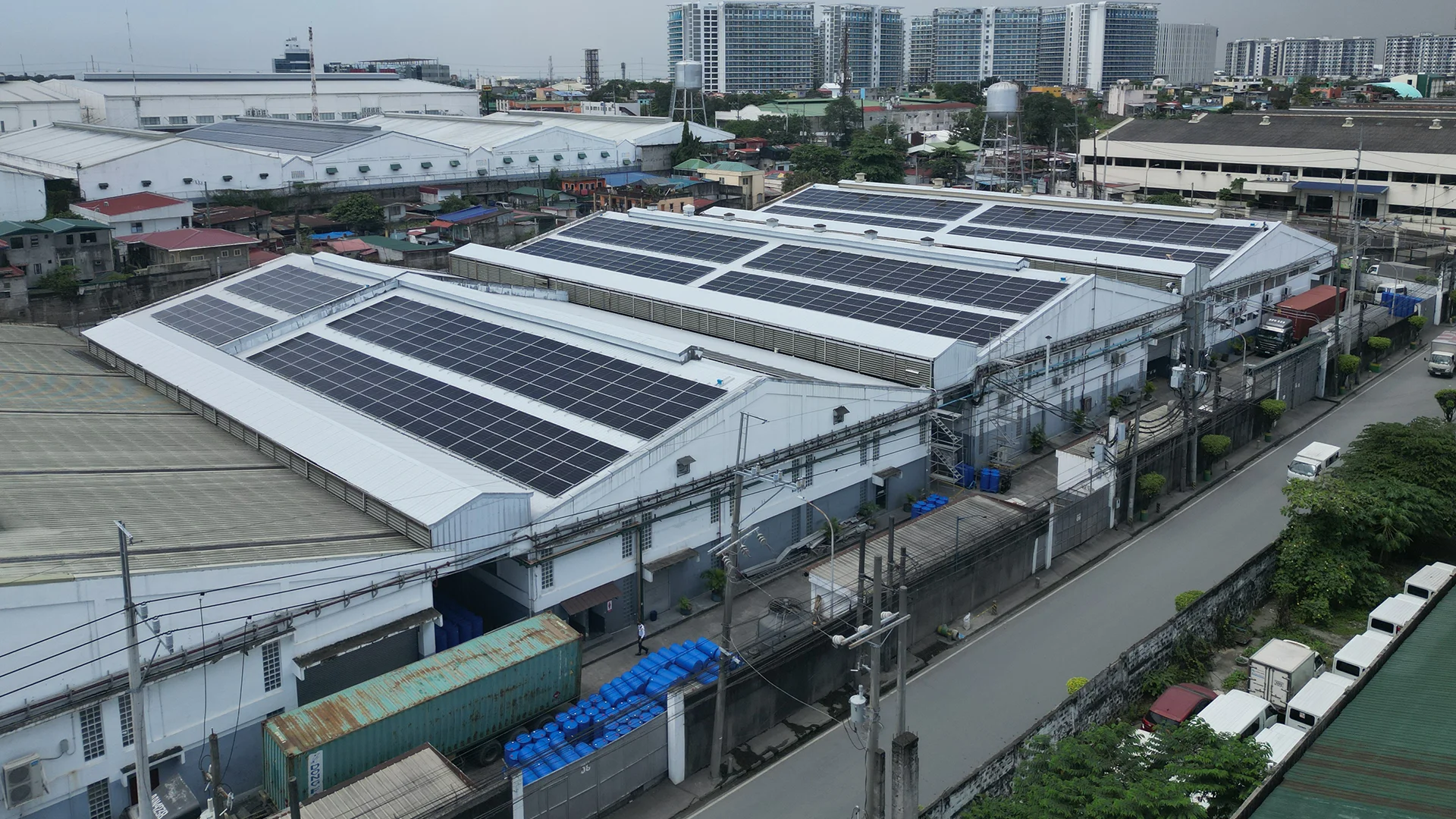
Unlike traditional financial products, solar creates tangible value every single day. It cuts operational costs, increases property value, and supports sustainability goals that now influence many supply chains. Over time, these benefits make solar one of the safest and most transparent investments a company can make. Many CFOs treat it as an infrastructure asset rather than an expense, because it produces predictable returns without exposure to market volatility.
The bottom line
Calculating solar ROI in the Philippines is no longer complicated. The data are proven, the costs are falling, and the results speak for themselves. As more businesses discover how solar energy saves money, the decision becomes less about technology and more about timing.
For those ready to take control of their energy future, Solaren Renewable Energy Solutions Corporation designs, builds, and maintains commercial and industrial solar systems that meet performance targets and deliver dependable payback. Solar is more than a sustainability move; it is a sound business strategy that keeps paying long after the initial investment is recovered.