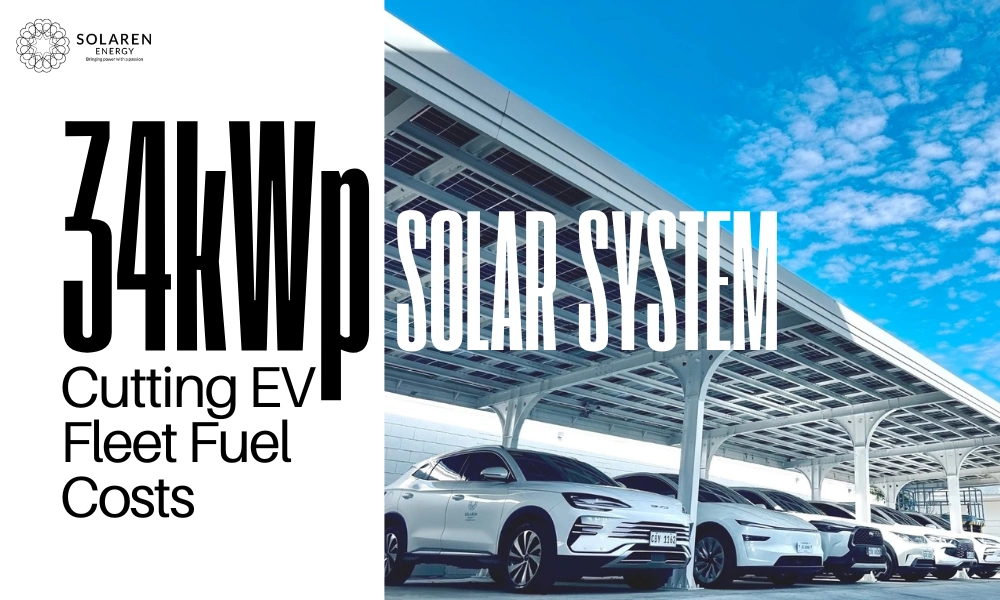
Since October last year, Solaren has been replacing conventional vehicles with a mix of electric (EV) and hybrid models. No pilot programme, no announcement. We just started doing it and kept track of what happened.
The fleet now includes a fully electric BYD Dolphin, a BYD Seal hybrid, two BYD Sealion 6 hybrids, a BYD Sealion 5 hybrid, and a Tesla Model Y. These are ordinary company vehicles used for site visits, project meetings, provincial drives, and daily errands. They are not driven carefully to flatter the numbers.
The Fleet as It Stands: February 2026
The combined fleet has now covered just under 94,000 kilometres. The table below is drawn from each vehicle’s app, using cumulative consumption data recorded since the vehicles entered service. For comparison, we have used a conventional petrol car at 10 kilometres per litre and fuel at PHP 58 per litre.
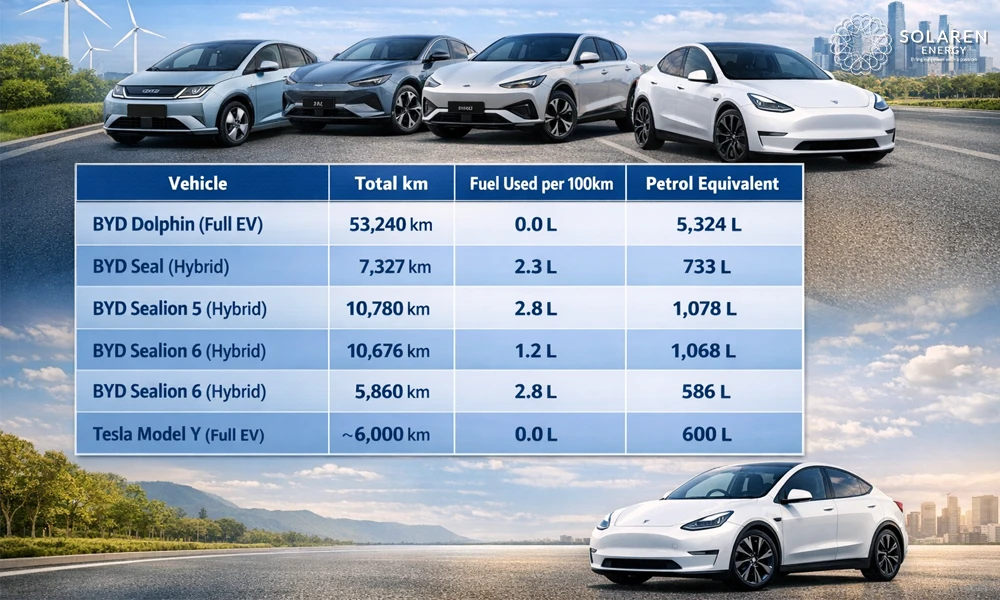
Total fuel saved across the fleet: approximately 8,626 litres. At PHP 58 per litre, that is roughly PHP 500,000 in direct fuel costs not spent. The figure does not include servicing savings, fewer oil changes, or less brake wear from regenerative braking. It is just fuel.
The Fully Electric Vehicles
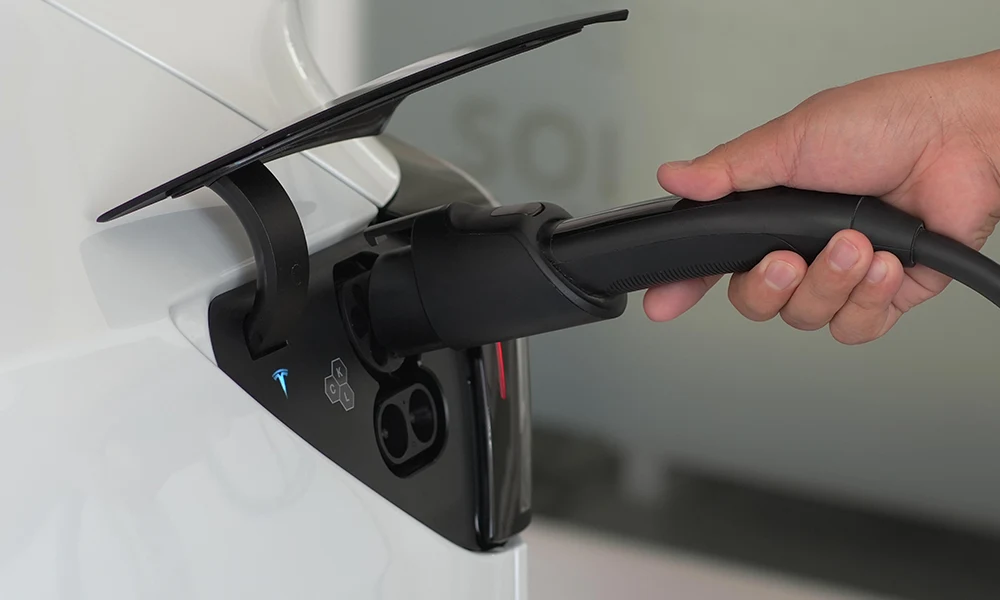
The Dolphin has covered 53,240 kilometres and used no petrol. A conventional car covering the same distance would have gone through more than 5,300 litres. The Tesla Model Y is newer to the fleet and has just passed 6,000 kilometres, following the same pattern.
The Hybrids
The hybrid numbers are worth looking at carefully, because they are relevant to any business that is not yet ready to go fully electric.
The Sealion 6, with the better cumulative figures, has averaged 1.2 litres per 100 kilometres across nearly 11,000 kilometres of real mixed driving. The Seal is running at 2.3 litres per 100 kilometres. Even the higher figures in the table represent a fraction of what a conventional vehicle uses on the same routes.
There is nothing unusual about how these vehicles are driven. The savings come from the technology, not the driving style.
Charging on Solar
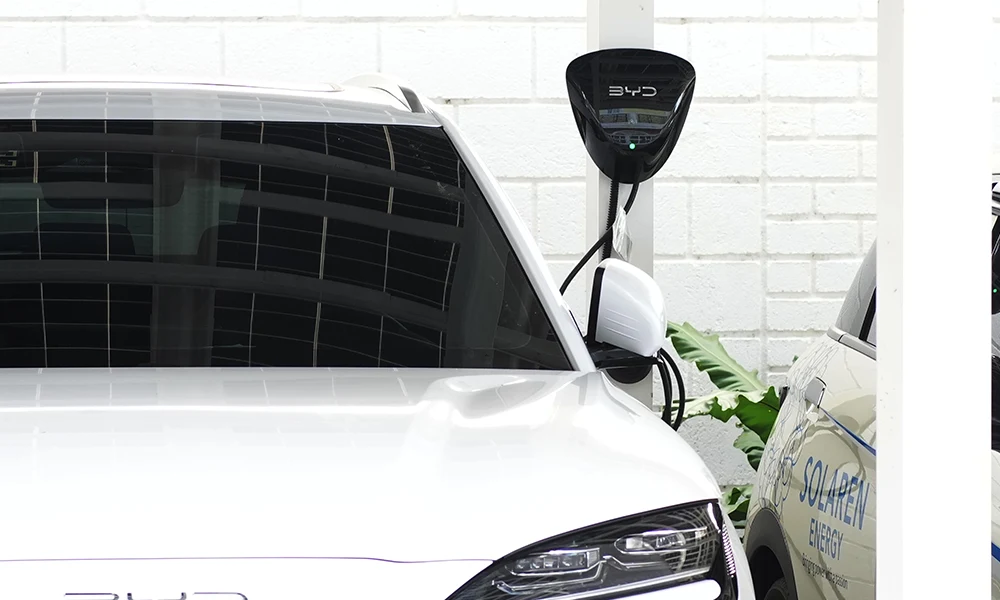
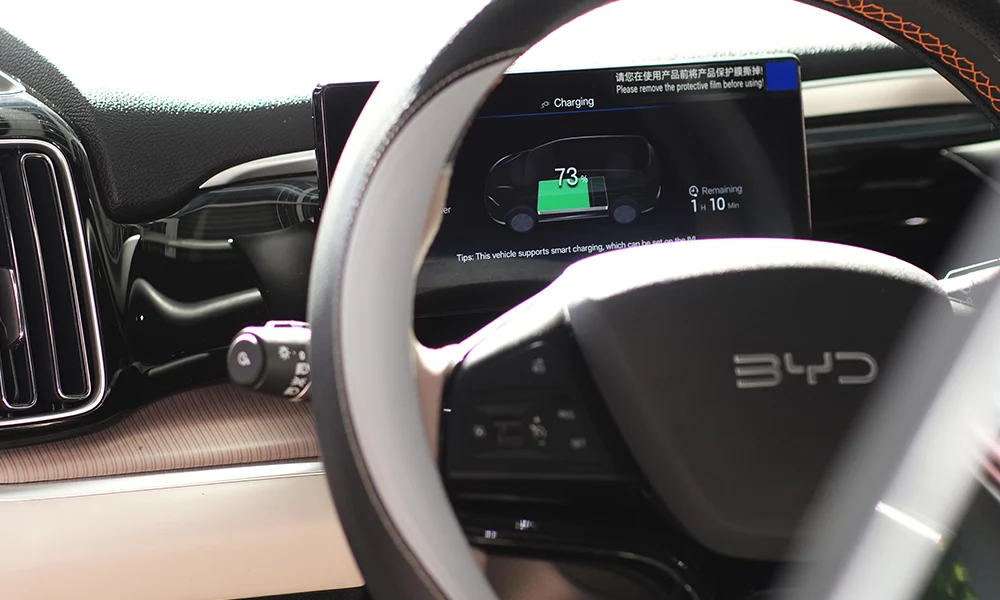
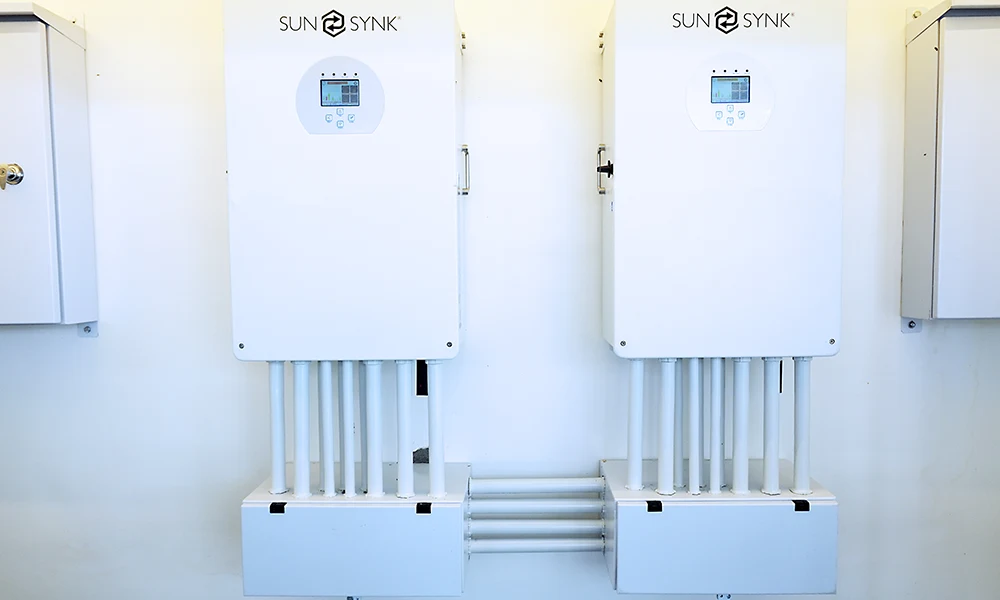
The vehicles charge from a 34 kWp solar carport at the Solaren office. Cars are plugged in during the day when parked, drawing directly from solar generation. The system runs with hybrid inverters and battery storage and is net metered with the utility.
In practical terms, a large share of the kilometres covered by this fleet are powered by sunlight generated on site. Where grid power is used for charging, net metering offsets the cost.
What Has Actually Changed Day to Day
Fuel has stopped coming up in weekly planning. Prices at the pump move around, but they no longer affect the monthly budget the way they used to. Drivers spend less time stopping for fuel on long days out. The vehicles are quieter. The servicing intervals are longer.
None of that is dramatic. It is just noticeably different from before.
What This Means for Other Philippine Businesses
Fleet running costs are a real pressure for businesses operating across multiple sites or doing regular provincial work. Fuel at PHP 58 per litre, multiplied across several vehicles and thousands of kilometres a month, adds up quickly and is difficult to control.
Hybrids in particular require no change in behaviour or infrastructure. They refuel at the same stations, but they just do it far less often. For any company running a pool of vehicles and looking for a predictable reduction in operating costs, the numbers here are a reasonable guide to what to expect.
A solar carport adds another layer to the savings if on-site charging is possible, but it is not a requirement to see the benefit. The vehicles perform on their own.
Where This Goes
The fleet is not fully electric yet and probably will not be for some time. Practical EV options in the Philippine market are still limited for certain vehicle types and use cases. But the plan is to continue
replacing conventional vehicles with electric or hybrid alternatives as the right options become available.
The numbers from the past several months give a clear enough picture of what the transition looks like in practice. It is not complicated. It just takes a bit of time to show up.