Right now, our phone rings all day about hybrid solar for business. Tariffs have climbed to a point where many companies find them nearly unbearable, brownouts arrive without warning, and the cost of charging a fleet of EVs on grid power has become hard to justify. So the demand is enormous. Here is the uncomfortable part. Most businesses that ask us for a hybrid system do not need one. Some do, and for them it changes everything. But the honest starting point, before anyone thinks about batteries, is working out which group you are in, because getting that wrong is expensive in both directions.
Does your business need hybrid solar? If you run mainly in daylight, sit under a stable grid, and your system is small enough to qualify for net metering, you almost certainly do not need net metering, and it will serve you better for far less money. Hybrid earns its cost when you have real evening load, an unstable or damaging grid, loads that cannot be allowed to stop, or a system too large to net-meter with too much daytime surplus to waste. Roughly half to 60% of the businesses that ask us for a hybrid are better off without it.
Start with the honest answer, because most businesses do not need this’
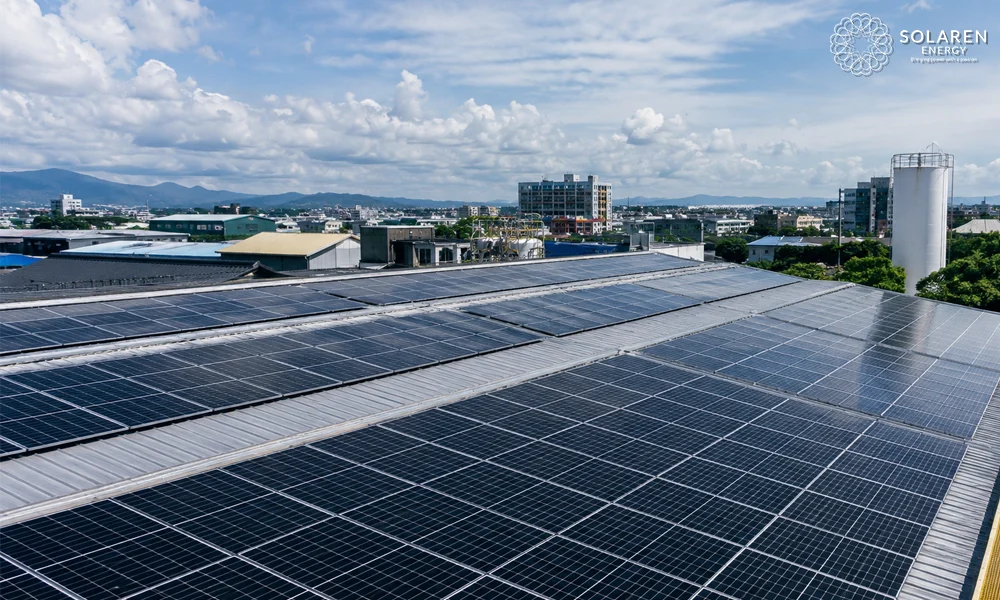
We would rather tell you the truth early than sell you a battery you will regret. Between fifty and sixty percent of the companies that come to us asking for a hybrid should not buy it, at least not yet. The typical case is a daytime operation. A retail store, an office, a workshop that runs from morning to early evening and goes quiet at night. That business consumes its solar as it generates it, and for the little it does not use, the right answer is usually net metering rather than storage. There is a caveat, and it matters, so read the next paragraph carefully.
The 100 kWp rule that often decides everything
Net metering in the Philippines is capped. Under the current rules, only systems below 100 kilowatts peak can export surplus to the grid for a peso credit. Below that line, a daytime business with a modest night load should almost always net-meter and skip the battery. Above it, the calculation changes completely, because export for credit is simply not available to you. Your daytime surplus then has nowhere to go. It is either curtailed and thrown away or stored.
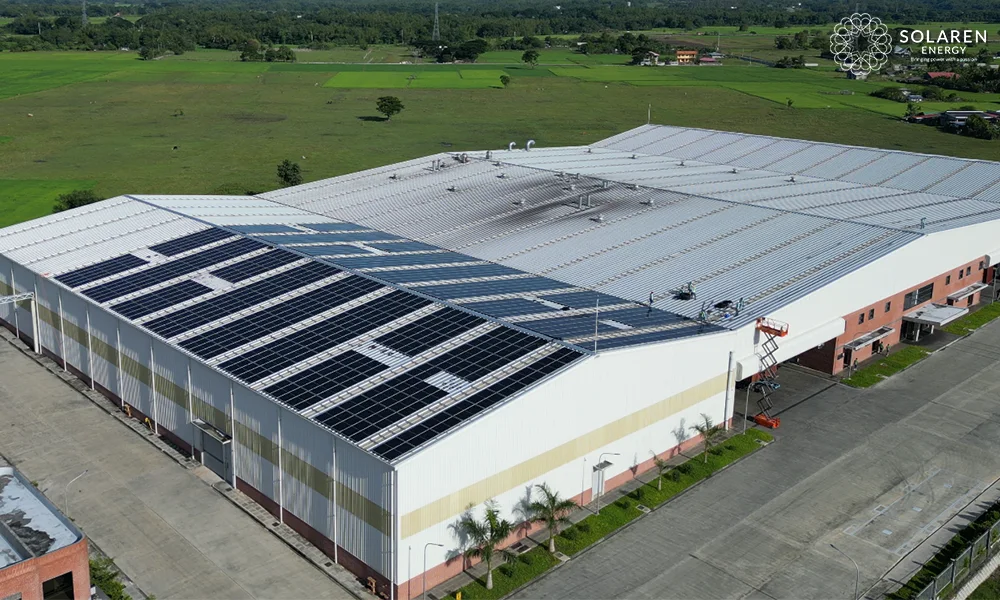
We are currently running a site that shows exactly this. The array is 200 kilowatts peak, comfortably over the net metering ceiling, and at least 75% of its daily generation is currently being wasted because it cannot be exported and there is not enough daytime load to absorb it. For that client, storage is not a luxury. It is the only way to stop wasting free energy, and we are building the system to expand as their site develops.
When hybrid genuinely earns its place
So who actually needs it? Four situations, usually in combination.
The first is the real evening load that can be met by solar energy stored during the day. A hotel, a facility with night shifts, staff accommodation, anything that draws power after the sun has gone. Store cheap midday solar, burn it at eight in the evening, and the numbers begin to work.
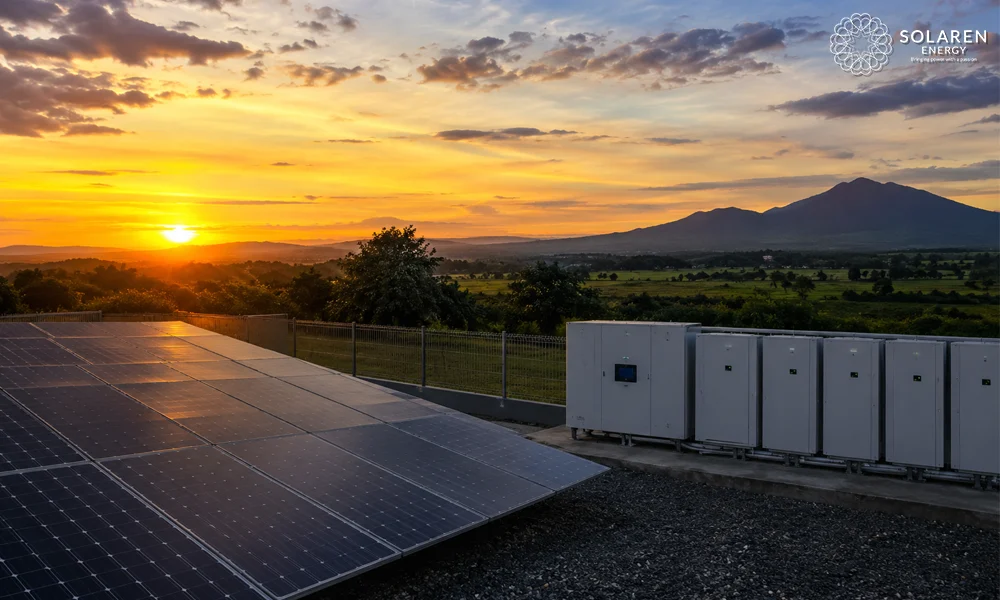
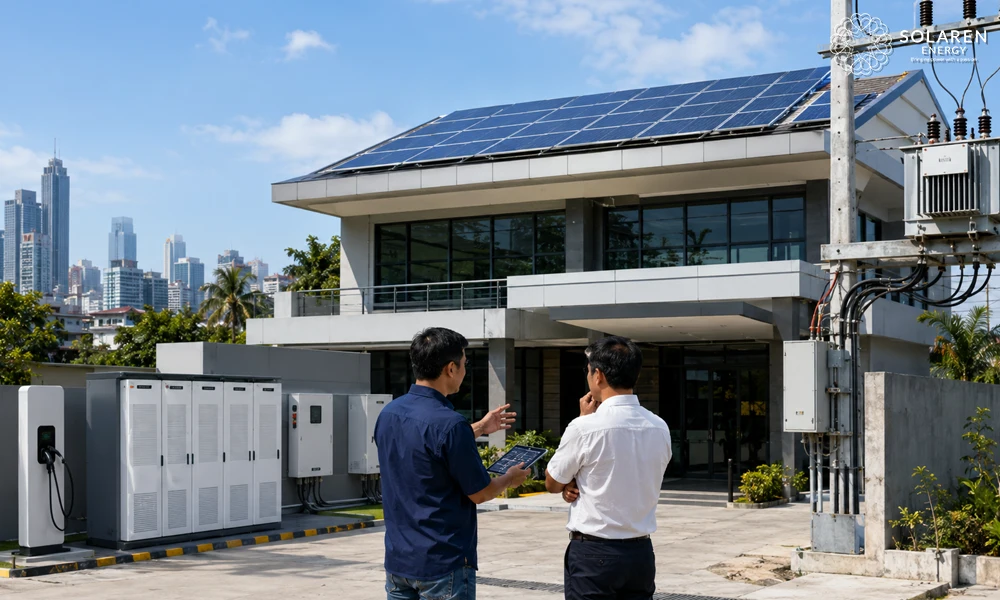
The second is a grid that damages you. Not just outages, but bad power. We are commissioning a factory on an unstable, expensive feeder where voltage sags reach 30% below standard and the power factor is 0.75. Those sags trip automated lines, spoil production, and wreck equipment. A properly designed hybrid system with fast switching rides through them.
We are honest that our design converts AC to DC and back to AC, losing a little along the way, but the losses are small compared to the cost of scrapped batches and burnt-out drives. This is a power quality benefit that almost nobody in this market talks about.
The third is loads that cannot stop. If a power interruption ruins a product or endangers a process, the battery is insurance, and insurance is allowed to cost money.
The fourth we have already covered. A system too large to net meter, sitting on wasted surplus.
Sizing is where most hybrid projects quietly fail
Here is a mistake we almost never see: an oversized hybrid system. Batteries are too expensive for anyone to buy more than they need by accident. The mistake we see constantly is the opposite. Undersizing. A battery specified too small to actually carry the loads it was sold to protect, so when the brownout comes, it folds. The disappointment is hard to describe to anyone who has not lived it.
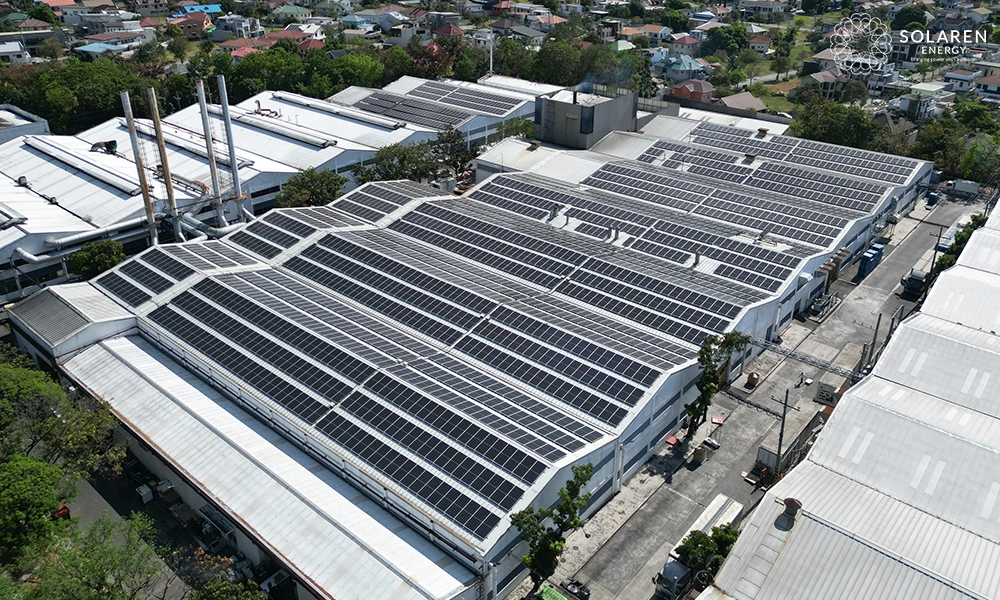
Correct sizing is not guesswork. It starts with a real load study, often using a data logger and a power quality analysis on the main feeders, so we know the peak loads and consumption patterns before we design anything. Then, because storage is costly, we frequently build the system in a modular way. Enough for today, with the room and the electronics to add batteries later. Prices are likely to fall, and the technology keeps moving, so designing for expansion is simply sensible.
A real system does things a boxed one cannot
Much of the trouble in this market comes from boxed systems. A sealed kit from a mass manufacturer, sold as plug-and-play, dropped onto a site it was never designed for. They rarely do what buyers assume they do.
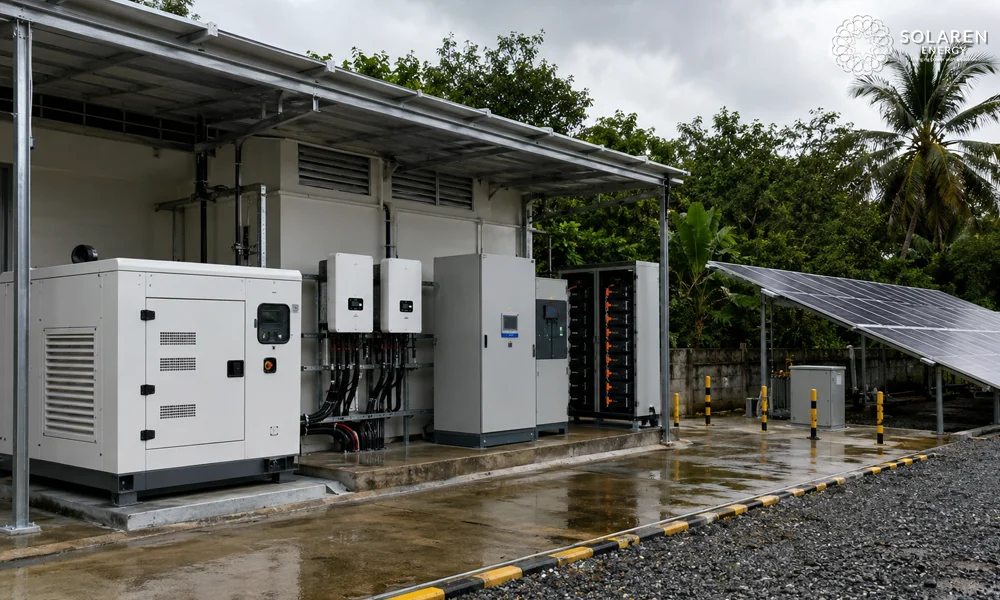
A real commercial hybrid system is run by an intelligent energy management system that decides when and why energy is used, and it has the components present to act on those decisions. It switches automatically when the grid fails, rather than waiting for someone to throw a manual changeover. It folds in any existing grid-tied solar instead of ignoring it. And it can bring a generator into the picture.
For a site facing a typhoon aftermath, days of cloud and no grid, we program the generator to start automatically when the battery falls to twenty percent state of charge, after which it both carries the load and recharges the battery. The generator is the last resort, not the first. Boxed kits do none of this.
One more thing catches people out, and it is costly. Voltage. We repeatedly see 380 or 400-volt systems bought for facilities that run at 230 volts, which is common here. Backup at a different voltage means transformers, one for the backup and one for the regular load, and if that is not designed in from the start, the correction is brutally expensive.
Backing up everything is rarely the right call
Clients often ask us to back up the whole building. We usually talk them out of it. Powering an entire commercial facility with batteries requires a much larger inverter and PCS capacity to keep everything safe and running, and it is often the most expensive way to achieve a result you did not need. The discipline is choosing the loads that actually matter and protecting those. Rewiring a site down to a critical-loads panel takes time and money, but it is almost always cheaper than storing the whole building.
What it costs, and when to move
Payback depends on the site and the tariff, but the range is real. A simpler hybrid system tends to pay back in three to four years. A complex one that works harder, with instantaneous switching, long backup, generator integration, multiple PCS, and tier-one chemistry, usually lands between five and six years. The wider payback is not a waste. It is the cost of a system that actually does the harder job.
On battery prices, the honest position is that they are fairly steady at the moment. We expect them to decline over time, but demand right now is astronomical and raw materials are tight, so volatility will persist. Whether to move now or wait is a genuine judgment call, and we will give you ours for your specific case, not sales talk.
Where this leaves you
Hybrid solar for business is not a product you buy off a shelf. It is a system built around a single site, a single load profile, a single grid, and a single set of risks. For a large share of the companies that ask us, the right advice is to net-meter and keep their money. For those who genuinely need storage, the difference between a system that works for ten years and one that disappoints in ten months lies in the study conducted before anything is ordered. That is the part nobody should skip. We have built systems like these across the Philippines, and the good ones all started the same way.
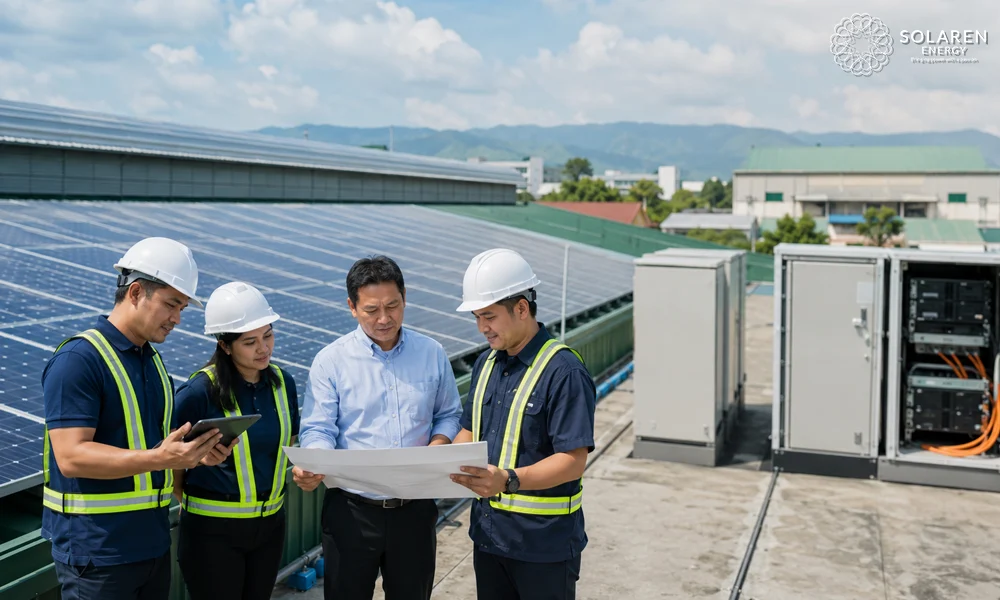
If you want to know honestly which group your business is in, ask us for a hybrid feasibility study. We run them regularly. We will review your loads and site and tell you plainly whether storage is worth it for you.
Frequently Asked Questions
Does my business need hybrid solar?
If you run mainly in daylight under a stable grid and qualify for net metering, probably not. Hybrid earns its cost when you have real evening load, an unstable or damaging grid, loads that cannot stop, or a system over 100 kilowatts peak that cannot net meter and wastes daytime surplus.
Why can a large commercial system not use net metering?
Net metering in the Philippines is capped at systems below 100 kilowatts peak. Above that, you cannot export surplus for a credit, so the surplus is either wasted or stored. That ceiling is often the real reason a larger site looks at storage.
What is the most common mistake with commercial hybrid systems?
Undersizing. A battery that is specified too small to carry the loads it was meant to protect, so it fails during the very outage it was bought for. Oversizing is rare, because batteries are expensive.
How long does a commercial hybrid system take to pay back?
Roughly three to four years for a simpler system, and five to six for a complex one with fast switching, long backup, generator integration, and premium chemistry. The exact figure depends on your site and your tariff.
Can a generator be part of a hybrid system?
Yes, and for sites in unstable areas it matters. We program the generator to start automatically when the battery reaches twenty percent state of charge, after which it both carries the load and recharges the battery. It is the last resort, not the first line.