Across the Philippines, solar power has moved from being an emerging technology to a practical investment for homes and businesses alike. With electricity prices rising and the benefits of renewable energy now proven, many people are finally ready to make the switch. But before you buy panels or sign a contract, it’s worth learning how to choose the right solar panel installation company. A well-chosen partner will determine how much power you produce, how reliable your system will be, and how smoothly your project runs from start to finish.
Why the Installer Matters
When you invest in solar panels in the Philippines, you’re not just buying hardware. You’re trusting a team to design, build, and maintain a small power plant that will run for decades. Two systems can look identical on paper yet perform very differently depending on who installed them. A professional solar company doesn’t just sell panels; it engineers a system that fits your building, budget, and long-term energy goals.
Choosing a qualified installer also protects your warranties. Many high-end manufacturers require that panels and inverters be installed by certified professionals to keep coverage valid. Poor workmanship can void those guarantees and lead to costly repairs later. That’s why it’s essential to work with an experienced team that follows local electrical standards and maintains a strong track record with past clients.
Experience and Accreditation

One of the first things to check is whether the installer is accredited with the Department of Energy (DOE) and the Philippine Contractors Accreditation Board (PCAB). These credentials ensure the company meets national safety and quality standards. They also help with utility coordination, since approved installers are recognized by distribution companies like Meralco and local electric cooperatives.
Solaren Renewable Energy Solutions Corporation, for example, is both DOE-registered and PCAB-accredited. These credentials give clients peace of mind that projects will meet technical requirements and secure the necessary permits. Accreditation also signals accountability. A licensed solar company has both the expertise and legal standing to manage complex installations responsibly.
Quality of Components
Not all solar equipment performs equally. High-quality panels may cost more upfront but deliver far better results over time. The difference between a cheap panel that loses one percent efficiency every year and a premium one that loses only half as much adds up to thousands of kilowatt-hours over the system’s life.
In the Philippines, where heat and humidity are constant challenges, durable materials matter even more. The best solar panels use corrosion-resistant frames and double-glass construction that withstand intense sunlight and moisture. Likewise, inverters, the devices that convert solar power into usable electricity, should come from proven international brands with long warranties. German and British inverters, for instance, are known for efficiency and low failure rates.
A reputable solar panel installation company will always explain why certain components are used, show performance data, and provide clear warranty documentation. If a proposal hides these details or pushes unknown brands, that’s a warning sign.
System Design and Site Assessment
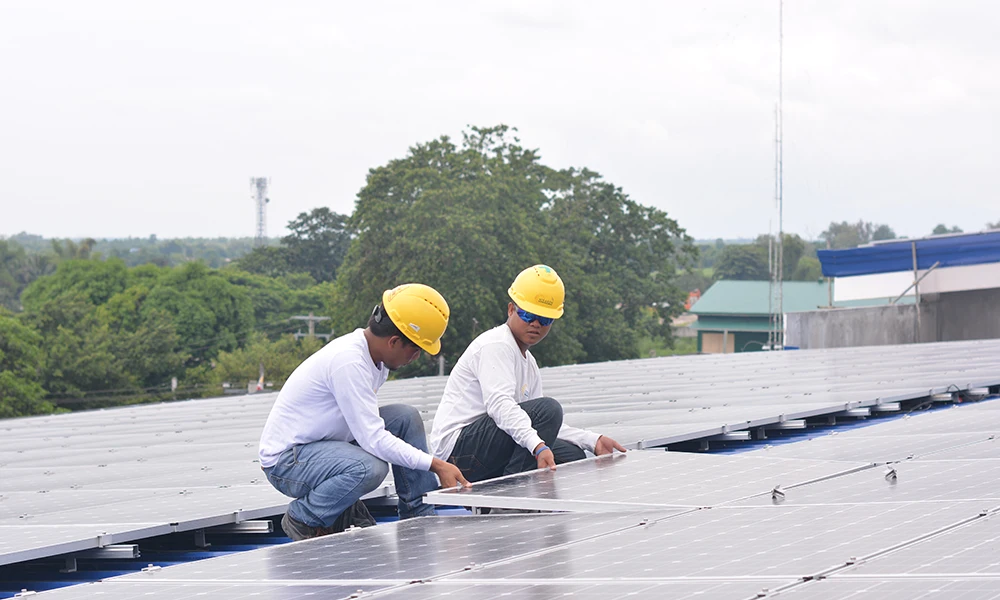
A good installer begins with data, not guesswork. Before offering a quote, they should conduct a site visit to measure your roof, assess shading, and review your past electric bills. This ensures the system is matched to your energy profile and physical layout. Factors such as roof direction, tilt angle, and potential obstructions all influence how much energy your panels can produce.
For businesses, advanced design software can model hourly generation against real consumption patterns. This analysis helps determine whether solar should cover base loads, peak hours, or both. For homes, proper design ensures you don’t overspend on excess capacity you’ll never use.
Solaren’s engineers perform full load profiling before recommending any system size. This method prevents costly oversizing and ensures clients get the best return on investment possible.
After-sales Service and Monitoring
Solar is a long-term investment, so after-sales support is as important as installation quality. Your system will run daily for 25 years or more, and while it requires minimal maintenance, you still need reliable technical support if anything goes wrong. A strong installer provides periodic inspections, panel cleaning, and 24/7 performance monitoring to catch issues early.
Modern systems often include online dashboards that display real-time generation data. If output drops suddenly, you’ll know immediately. Installers who offer monitoring services tend to maintain higher system uptime because they can act before a small issue becomes a major loss in production.
Solaren’s clients, for instance, have access to continuous performance tracking and maintenance plans that keep their systems operating at peak efficiency throughout their lifespan.
Transparency in Pricing and Contracts
Solar pricing should always be clear. A professional solar installation company in the Philippines provides a detailed proposal that includes equipment specifications, warranties, payment terms, and estimated energy savings. Any quotation that simply lists a total cost without explanation should be treated cautiously.
It’s also wise to understand what’s included in the installation. Some providers exclude key elements like permits, wiring upgrades, or mounting structures, which later appear as “add-on” charges. Ask for a complete scope before signing to avoid surprises.
Case Example: Business vs. Residential Solar
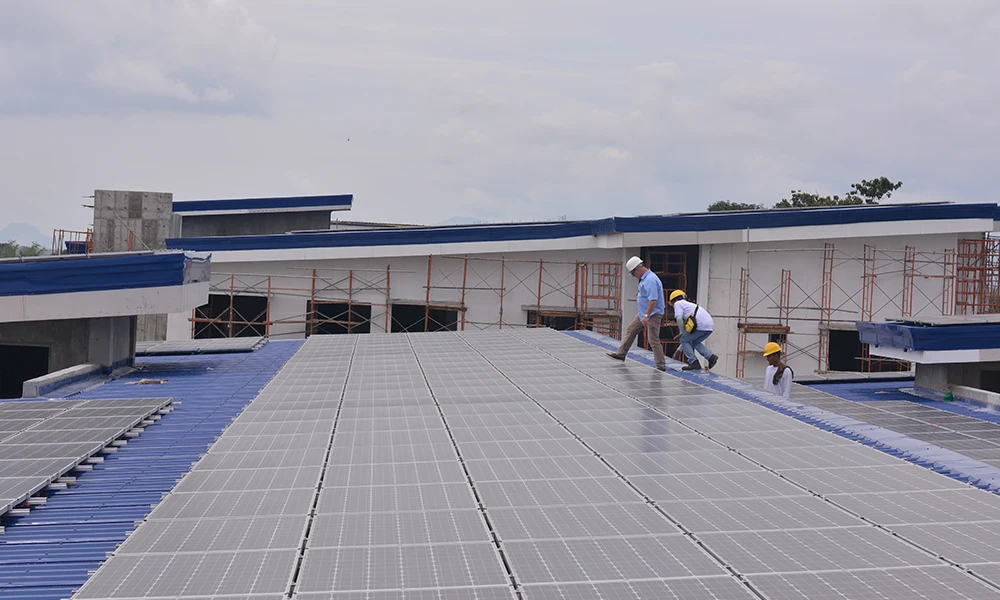
To see how the right partner makes a difference, compare two similar projects. One commercial building in Tarlac chose a local handyman team offering a bargain rate. The system worked well for the first few months but began showing faults during rainy season. Within two years, inverter errors cut production by 20 percent and warranty claims stalled.
Another building nearby worked with Solaren. The installation used bifacial glass-glass panels and SMA inverters, all installed by in-house engineers. Years later, it continues to perform within one percent of its original rating, generating consistent returns and requiring no warranty replacements. The upfront cost was higher, but the long-term savings are much greater.
Making Your Decision
Choosing the right company for your solar panel installation in the Philippines comes down to experience, transparency, and commitment to long-term service. You want a partner who treats the project as an engineering solution, not just a sale.
Check their credentials, review past projects, and talk to existing clients. Ask how they handle monitoring, maintenance, and warranties. A reputable installer will welcome these questions because they know quality speaks for itself.
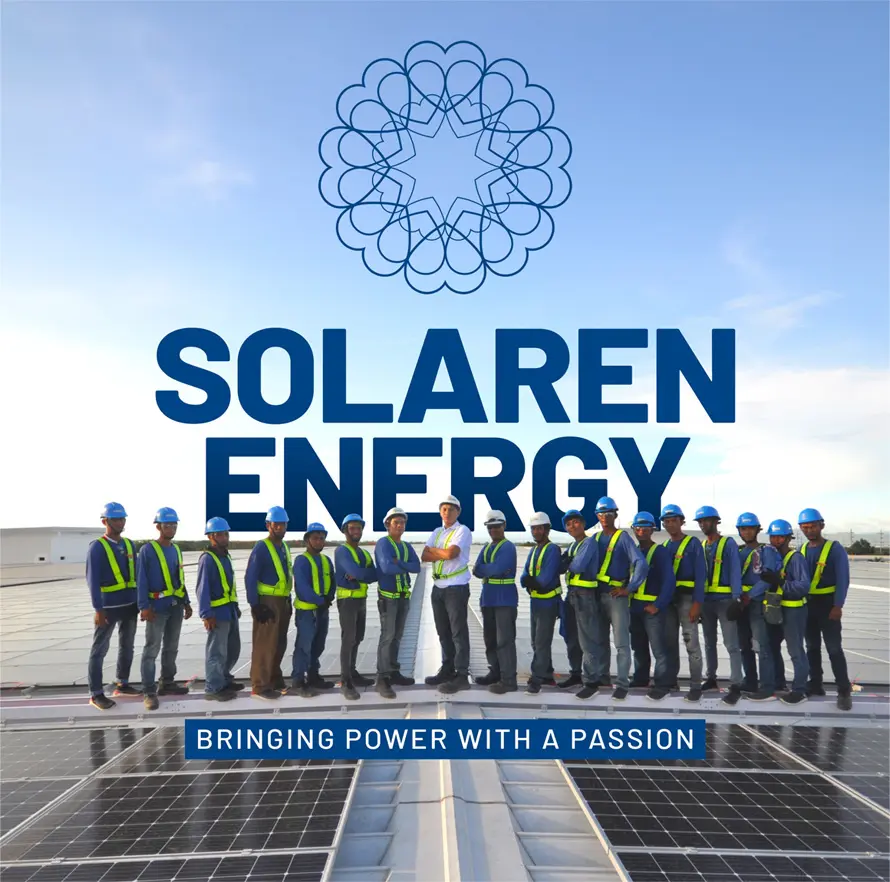
When you choose Solaren, you’re selecting a team that has installed thousands of systems across the country—each one tailored to local conditions, certified by national authorities, and supported for the long haul. Whether it’s a home rooftop or a large commercial plant, a well-designed solar installation delivers dependable savings and cleaner energy every day.