Interest in solar power systems in the Philippines has surged in recent years as energy prices rise and technology costs fall. But with so many options, choosing the right system can feel overwhelming. This guide will help you navigate the decisions so you can invest with confidence.
Step 1: Define your main goal
Start by asking:
- Do you want to cut monthly bills?
- Are you looking for backup power during outages?
- Is this part of meeting sustainability or compliance targets?
Your answer will determine system size, equipment type, and budget.
Step 2: Know the main components
A complete solar power system includes:
- Panels: Convert sunlight into electricity. Look for long warranties (20–25 years).
- Inverter: Converts DC to AC power for your home or business. Choose from string, central, or microinverters.
- Mounting system: Secures panels to your roof or ground structure.
- Wiring and safety gear: Includes breakers, isolators, and surge protection.
- Monitoring system: Lets you track performance in real time.
- Optional storage: Batteries store excess energy for nighttime use or outages.
Step 3: Get the size right
Review a year’s worth of bills:
- Note your highest monthly kWh usage.
- Check your daily usage pattern.
- Consider future changes like adding air conditioning or expanding a business.
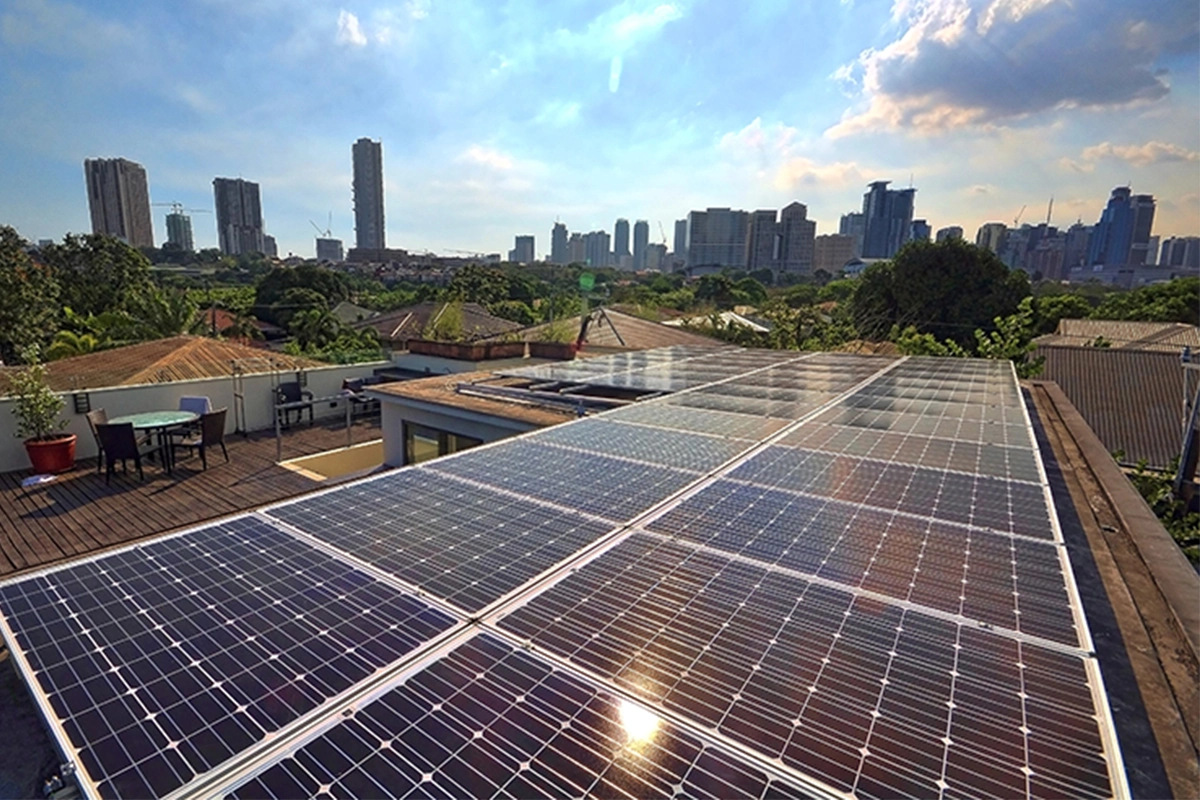
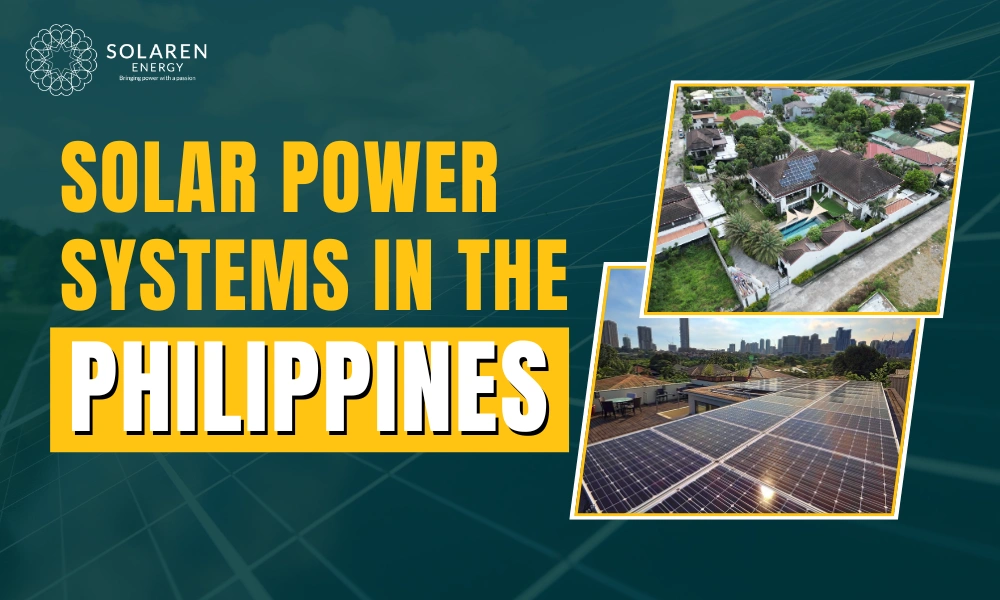
A good installer will model your usage and show savings for different system sizes. A clear residential example is the Villa Verde installation, a premium home with a well-defined daily electricity profile and strict roof space constraints. System sizing was based on known household loads, roof geometry, and structural limits, allowing the design to focus on efficient panel layout rather than oversizing. This type of installation shows why accurate load assessment and roof evaluation are essential for residential buyers seeking predictable performance without unnecessary complexity.
Step 4: Inspect your site
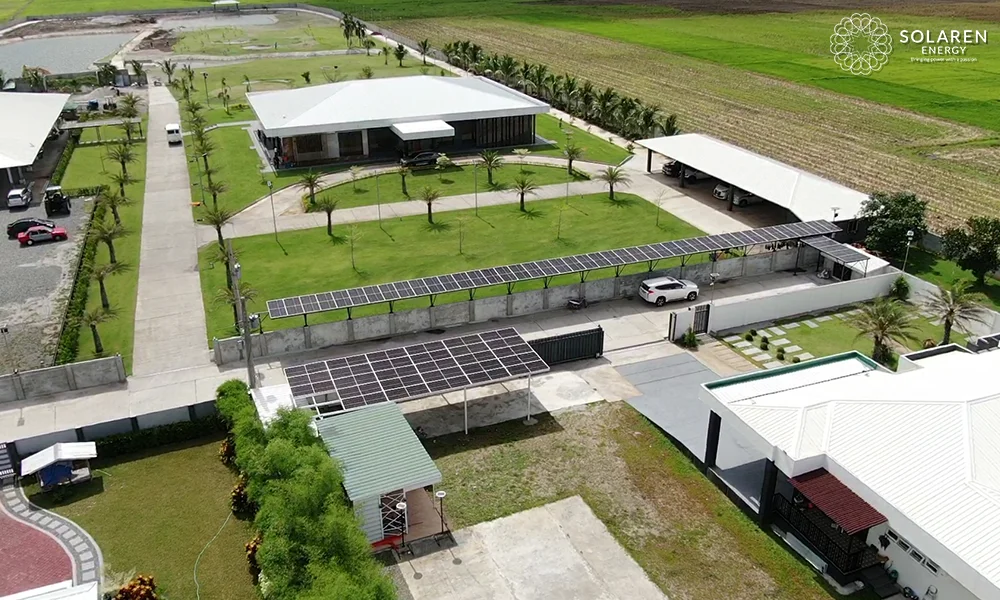
A site survey should include:
- Roof condition and load capacity
- Shading from trees, buildings, or nearby structures
- Main panel space and breaker capacity
- Wind and corrosion risks, especially in coastal areas
You should receive a written site report with photos.
Step 5: Understand net metering
Net metering lets you sell excess power back to the grid:
- Each utility has its own process and timeline.
- Your installer should prepare drawings, forms, and test results.
Step 6: Compare installers
Look for:
- At least three similar projects in your area
- Clear scope from site audit to after-sales service
- A named project manager with direct contact details
- Documented service response times
Call past clients to ask about reliability, communication, and after-sales support.
Step 7: Financing options
Options include:
- Full cash payment for the best long-term returns
- Lease-to-own or bank loans for smoother cash flow
- Zero-interest credit card offers [Internal link: /financing]
Step 8: Common pitfalls
Avoid:
- Undersized inverters that limit output
- Designs with no allowance for future load increases
- Weak after-sales plans
- Savings claims without verifiable data
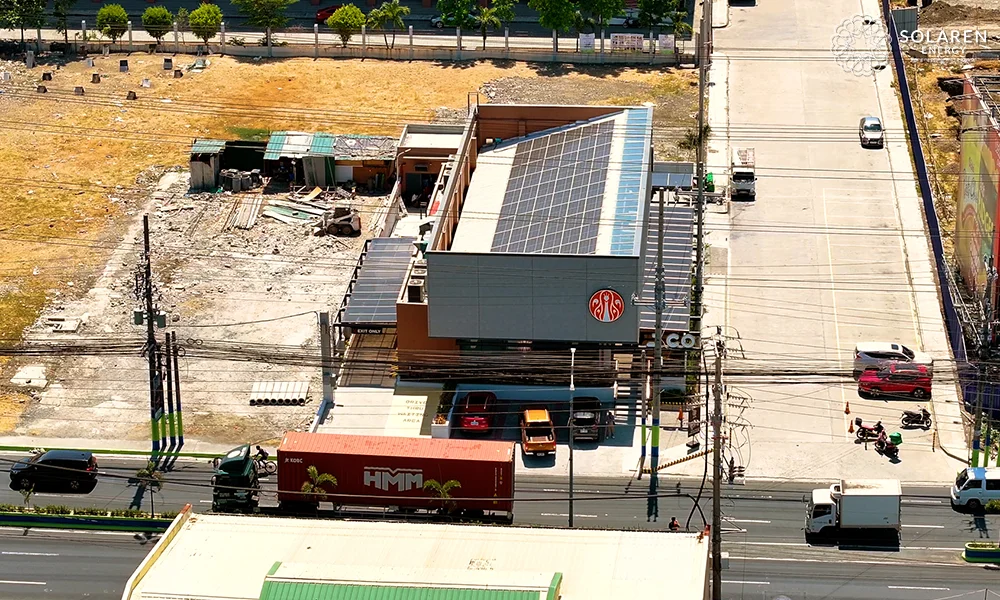
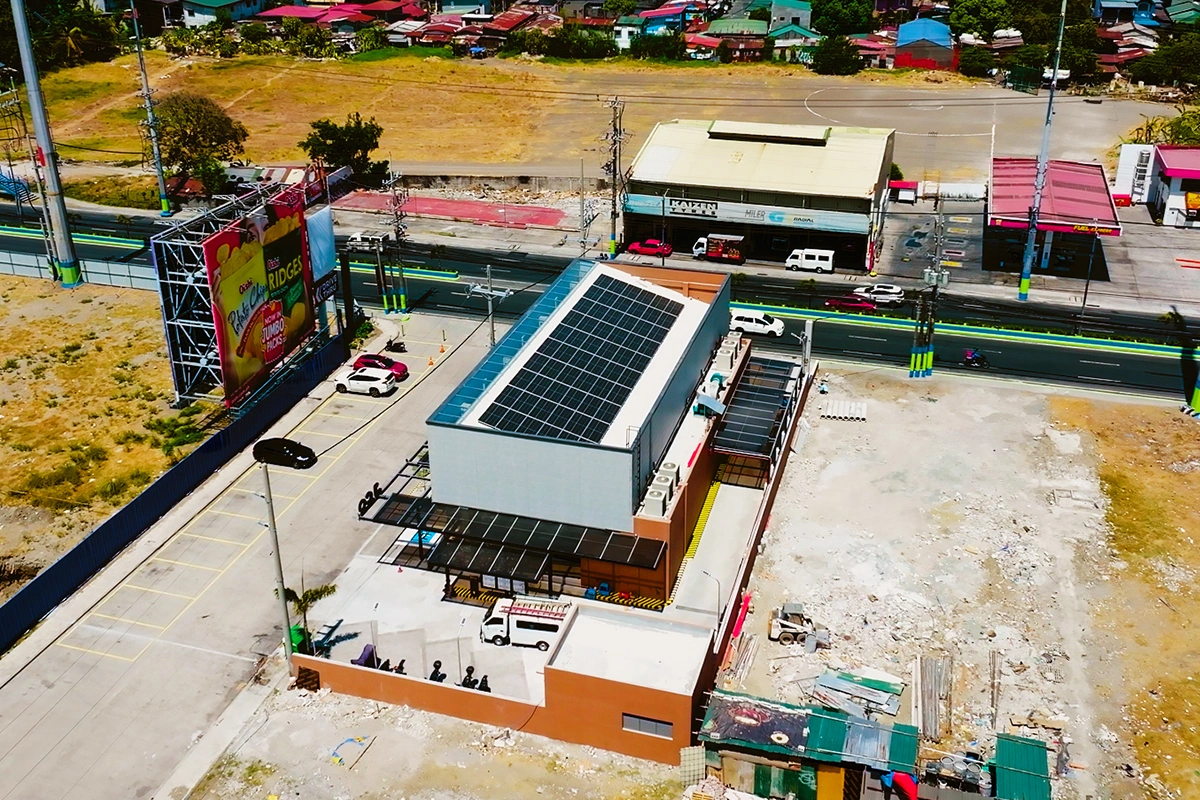
Retail sites with limited roof area require careful equipment selection to avoid underperformance. In roof-constrained food and beverage installations such as J.CO Donuts, system output is often dictated by available space rather than total demand. By specifying high-performance modules and optimizing panel layout, the installation maximized energy production within tight physical limits. This highlights the importance of matching technology choices to site constraints rather than relying on standard designs.
Step 9: Ideal sites for solar
Solar power systems in the Philippines work best for:
- Homes with high daytime use
- Shops, clinics, or offices
- Warehouses and factories with large, unshaded roofs
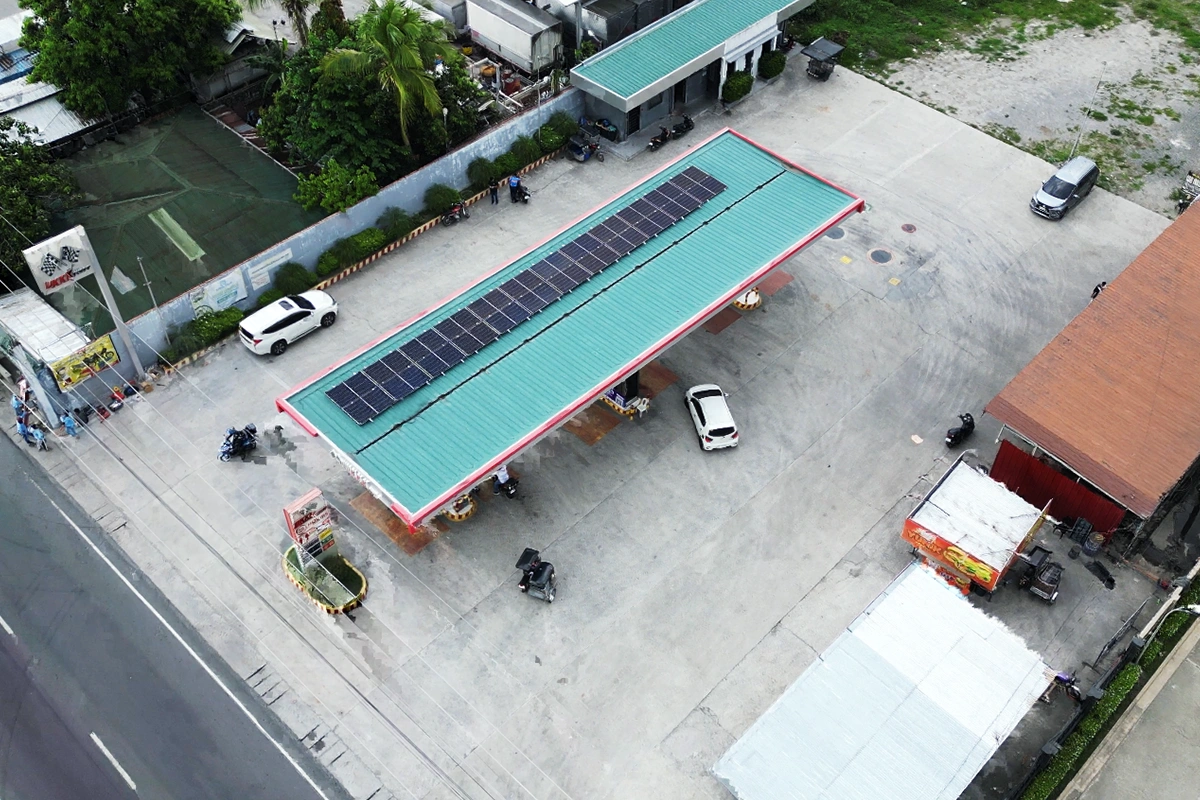
Fuel stations with established operating patterns are often well-suited to solar due to consistent daytime consumption. At the KKK Gasoline Station in San Rafael, the system design was guided by stable historical energy use from pumps, lighting, and auxiliary equipment. This allowed accurate system sizing and straightforward net-metering integration, demonstrating how long-running commercial sites with predictable loads can benefit from solar without operational disruption.
Step 10: Next steps
If you’re ready to move forward:
- Book a bill review and site survey.
- Get at least two design options.
- Confirm net metering and financing plans before signing.
A well-designed solar power system can cut your bills for decades while providing energy security.