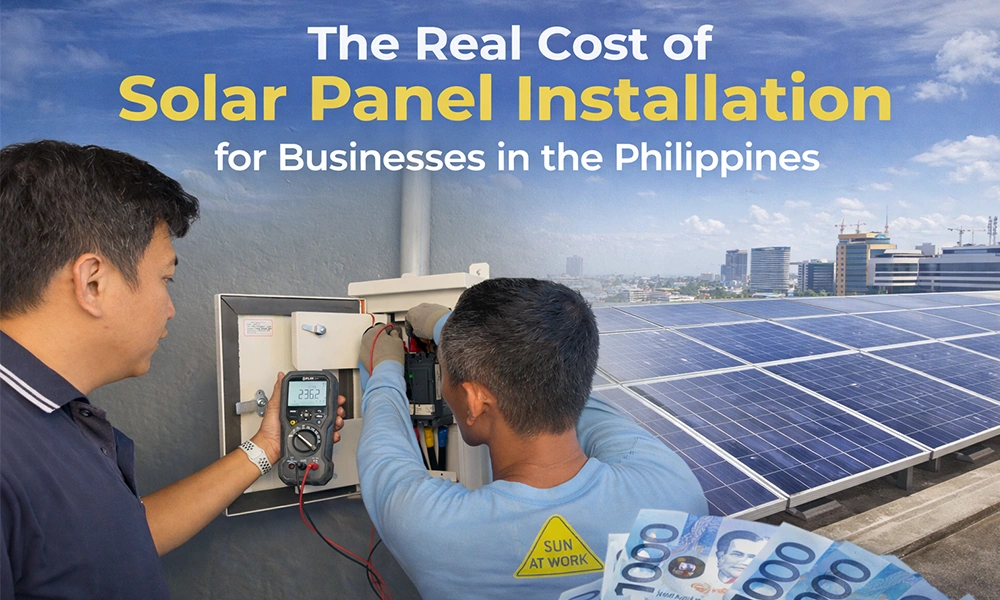
The first thing many business owners search for is the price of solar panel installation in the Philippines. They want a number. Something precise and predictable. Something that helps them decide whether the investment is worth it. What they discover after speaking with different providers is that a neat price per kilowatt does not define commercial solar. It is determined by how the system performs once installed, how it behaves under real load, how it holds up in Philippine heat, and how well it supports the daily rhythm of the business it powers.
Solar for commercial and industrial sites is far more than putting panels on a roof. It is the construction of a long-term power source that must interact safely with motors, chillers, compressors, service equipment, and automation systems. If the design is thoughtful, the business sees a smooth drop in electricity costs. If the design is rushed, the business ends up carrying hidden losses for years.
This is why understanding the real cost is so important. It is not just about the equipment. It is about how the system is engineered, how the wiring is planned, and how reliably the system will generate power once the site returns to full daily operation.
Why Philippine Businesses Are Turning to Solar Faster Than Ever
Businesses are feeling the squeeze from rising electricity costs. Manufacturers, retailers, logistics hubs, food processors, and service providers all say the same thing: power is taking up a larger share of their budgets than ever before. Some months, it even sits alongside payroll and rent as one of the most significant expenses. The swings in monthly bills make planning difficult, and managers often find themselves adjusting forecasts to keep up. Solar gives them a way to steady things. It introduces a power source whose price does not change whenever the grid does.
In the past, some businesses hesitated because they worried about reliability. Today, better equipment, better installation standards, and stronger safety practices have changed that. Commercial solar is no longer a novelty. It has become a practical decision driven by finance, not by trend.
The real question for most companies is no longer whether to install solar, but rather how to do so. It is about choosing the right provider.
What Solar Panel Installation Really Means for a Commercial Site
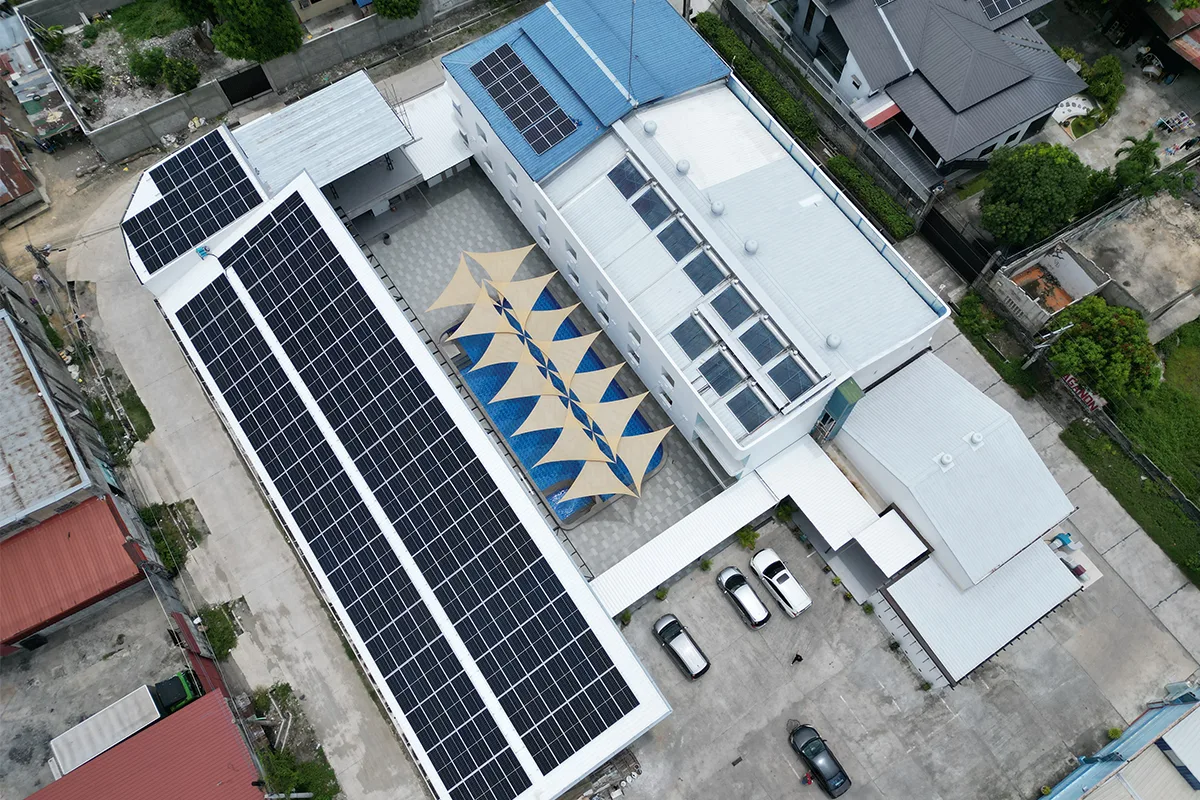
A commercial solar system does not behave like a residential one. It must integrate with far heavier electrical loads. It must feed a building that may run three shifts, start large motors throughout the day, and depend on stable power for refrigeration, automation, IT equipment, and safety systems.
To get this right, engineers need to understand not only the roof and the sunlight but the entire electrical ecosystem. They need to see how transformers respond at peak demand, how the system behaves under load, and how voltage fluctuates across feeders. This work determines how the system should be connected and how the inverters should be configured.
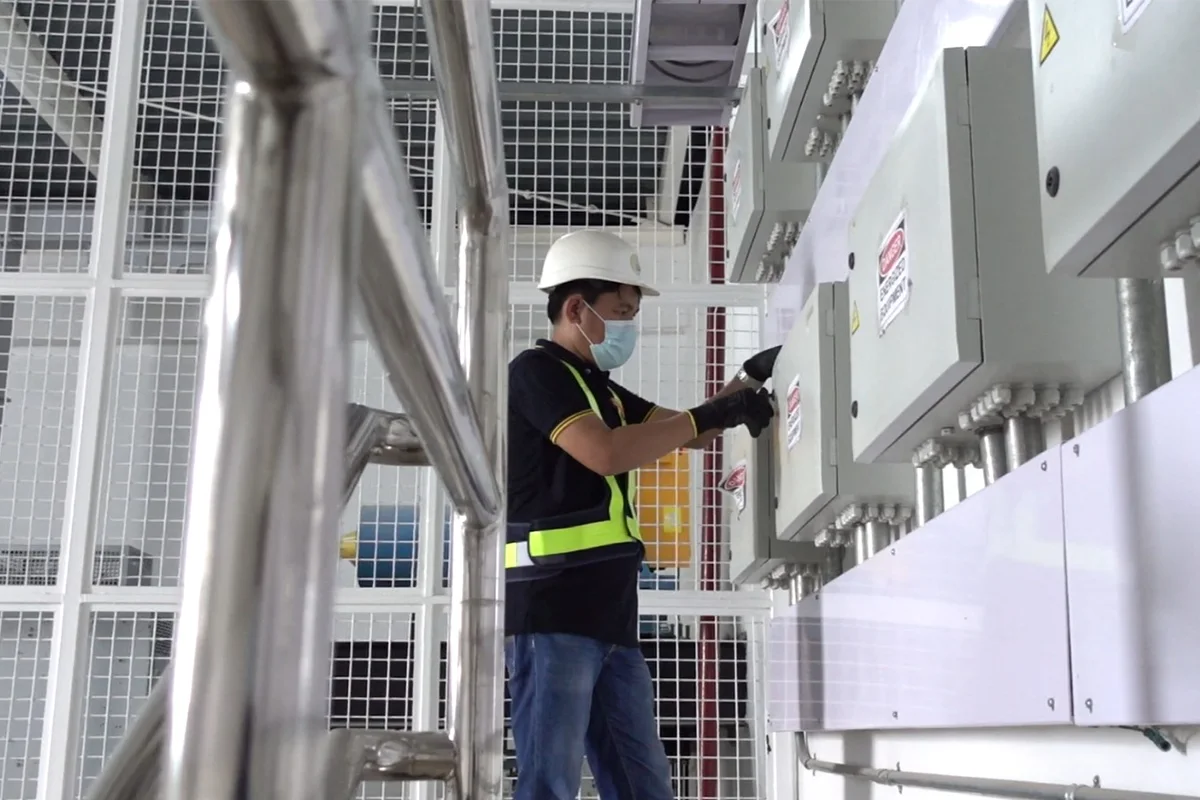
One detail that plays a larger role than most people realise is the wiring. Commercial buildings often have long internal cable paths and multiple access points. A single poor decision about cable routing can reduce efficiency across the entire system. Under-sized cables create heat. Unnecessarily long routes introduce voltage drop. And shortcuts taken to save money on copper can quietly take dollars off monthly savings. These losses rarely announce themselves. They simply appear as slightly weaker daily production that significantly adds up over the years.
A system only performs as well as the wiring that carries its energy.
The Real Cost of Solar Panel Installation in the Philippines
When companies request quotations, they usually compare prices per kilowatt. It looks straightforward. But what matters is not how much the system costs at installation. It is the amount of energy it produces each year.
Two systems with the same rated capacity can very easily deliver different outputs. If the wiring was poorly planned, the panels were substandard quality, mismatched, or the inverters were installed in the wrong location, the system will never reach its potential. On the other hand, a quality system engineered with care will continue to produce strong output year after year.
This is why Solaren approaches commercial installations with lifetime performance in mind. The value of a solar system lies in its long-term production, stability, and ability to reduce monthly electricity costs without requiring constant intervention. Businesses that have compared the daily output of systems installed by different companies often notice the difference immediately. A well-designed system generates more.
Why Engineering Determines Real Value
Some installers compete solely on low pricing. The only way to do that is to make structural compromises. They may choose cheaper inverters. They may reduce the amount of cable. They may run wiring through easier but less efficient paths. These decisions never appear on the proposal sheet. The panels look the same. The total kilowatt rating looks the same. But the performance is not the same.
Wiring is where many long-term issues begin. A cable that is too small for the load will heat up and waste energy. A cable that takes an indirect path across the building could increase the voltage drop and reduce output. These losses are small each day, but they become significant when multiplied across years.
Proper engineering avoids these pitfalls by designing the system around real-world conditions. It examines how the building behaves at its busiest. It positions inverters where airflow is healthy. It routes cable through efficient paths. It pairs components that complement each other. These decisions produce a system that runs quietly, safely, and efficiently for decades.
This is the approach Solaren takes because the company has seen how often businesses end up paying for shortcuts long after the installers have left.
Case Study: OISHI Cebu and the Impact of Long-Term Thinking
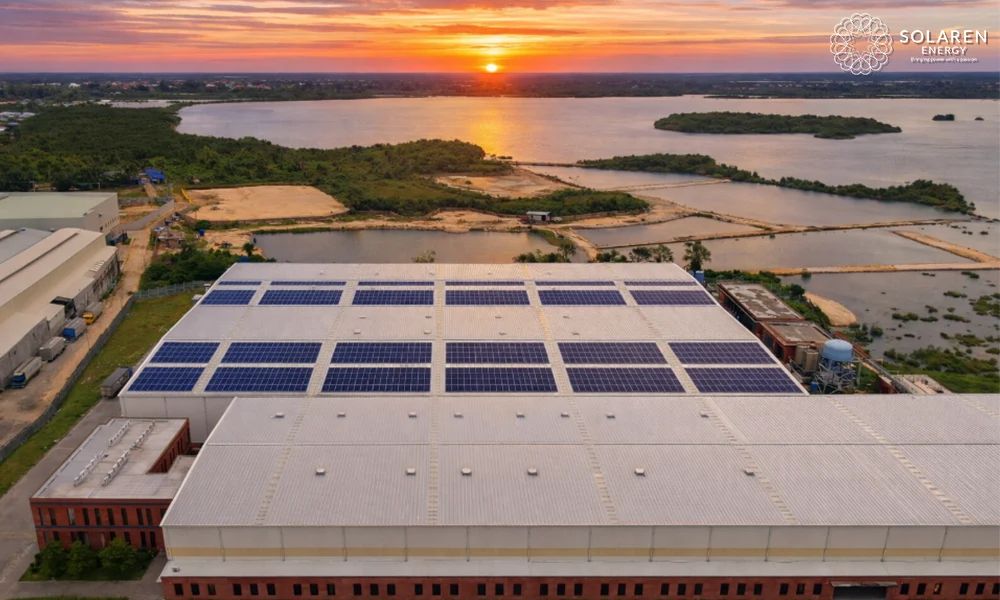
A good example of smart commercial solar design can be seen in Solaren’s work at OISHI Cebu. This facility runs heavy production, heating, cooling, and processing equipment throughout long shifts. Any interruption affects output and material flow.
The solar system designed for this site needed more than just capacity. It needed to fit into an already busy electrical network without affecting operations. This meant studying how the equipment behaved under load, how it cycled throughout the day, and how the transformers responded when solar generation peaked.
One of the most important parts of the project was designing the wiring. Long cable runs were tightened. Voltage drop was kept low. The final layout ensured that solar power reached the inverters cleanly and consistently. This kind of detail does not appear in most quotations, yet it determines whether a system performs well during real-world activity.
The result was a system that began delivering stable daily output from day one. It blended neatly into the facility and continues to support operations without drawing attention to itself.
Case Study: Toyota Bacoor and the Cost of Doing It Right from the Start
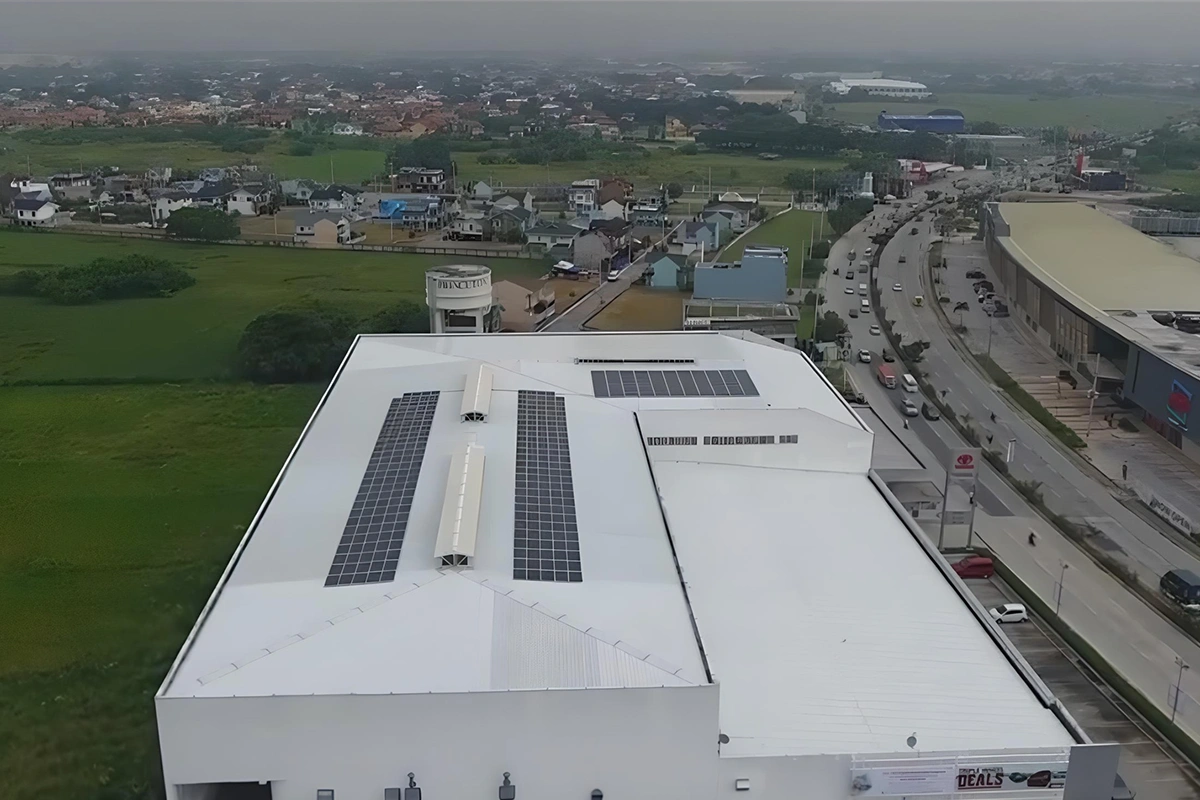
The installation at Toyota Bacoor offered a different challenge. Dealerships depend on lighting, cooling, and a smooth customer environment. Their service bays add significant additional electrical demands. A solar system here must support both sides of the business without affecting the daily flow of customers and service work.
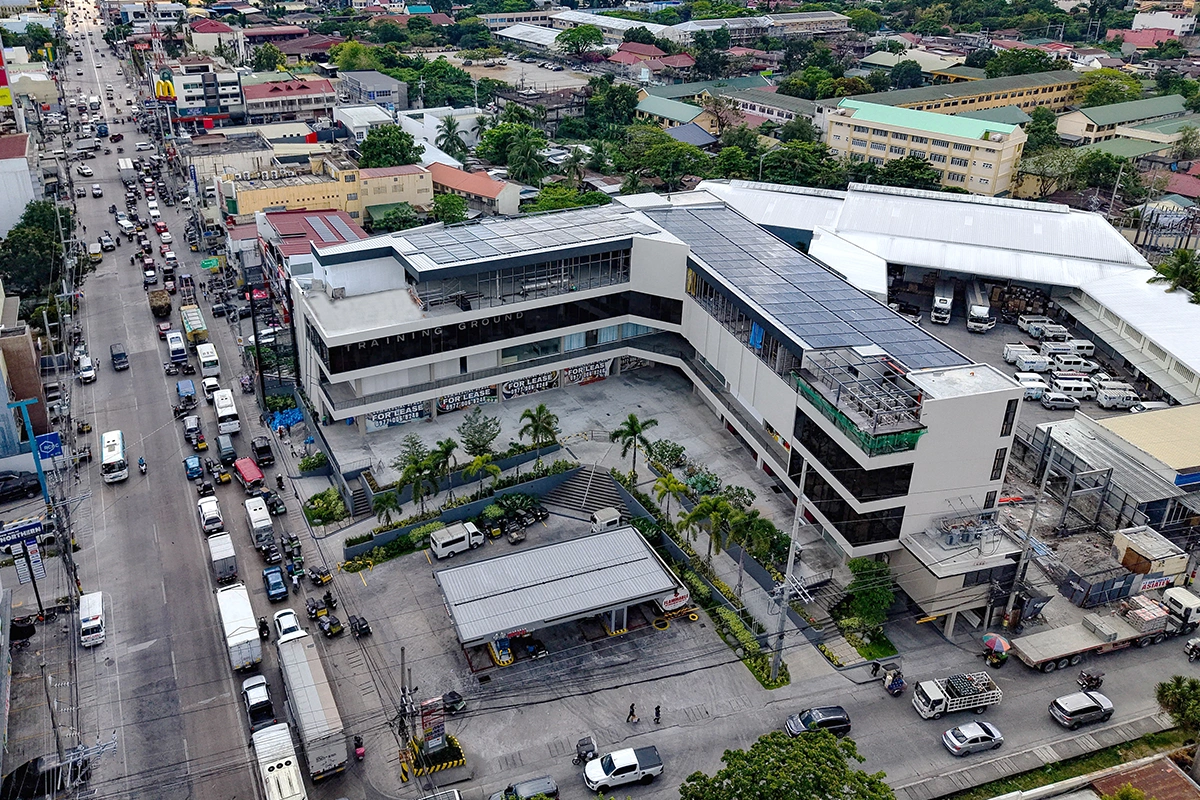
Solaren designed the system so that wiring stayed clean and efficient across a large, open building. Inverters were placed where maintenance access was easy, and airflow helped extend their life. Cable paths were kept direct to preserve voltage stability and reduce electrical losses.
The system now supports the dealership’s energy needs quietly in the background. The savings show up on the bill, but the real achievement is how naturally the system fits into the building’s operations. This is what commercial solar looks like when it is carefully planned rather than rushed to the lowest possible price.
Questions Businesses Should Ask Before Choosing a Provider
Many business owners focus on panel count or system size, but those questions tell only a fraction of the story. The more revealing questions relate to wiring, inverter placement, long-term monitoring, and how the system will behave during production peaks. A business should understand whether the installation team uses in-house engineers, what materials will be used, and how the provider plans to support the system after it goes live. These questions expose whether the company is building a long-term energy asset or simply installing panels.
The Real Return on Investment
ROI in solar comes from reliable production. A system that generates strong power every day pays back quickly. A system that struggles, overheats or loses efficiency due to poor wiring and routing pays back slowly, if at all.
The real financial value is found in stability. When a business can predict its energy savings month after month, it can plan budgets more accurately and use the savings to strengthen other areas of the operation. Solar becomes less of a purchase and more of a financial tool.
Why Owning a System Often Makes More Sense Than Leasing One
Some businesses consider power purchase agreements because they appear simple. What they often discover is that ownership gives them more control and better long-term value. Leasing models sometimes use lower-grade components to meet investor return targets. Ownership allows the business to choose equipment that will last and to design the system around its actual needs.
For many Philippine companies, the numbers are clear. Buying a system delivers greater savings over time because the business captures the full value of the energy it produces.
The Risk of Choosing the Cheapest EPC
Commercial solar is a long-term commitment. A system that looks fine during installation can reveal problems months later when the weather changes or when the facility returns to maximum production. Underperforming panels, overheated cables, misaligned inverters, and poor mounting practices all create problems that cannot be repaired cheaply.
These issues appear only after the installer is long gone. At that point, the savings the company believed it secured with a low price turn into a much higher cost.
How Solaren Designs Systems That Perform for Years
Solaren uses its own engineers and technicians for each installation. This ensures the design matches the site’s real conditions and that the installation is carried out consistently. The company uses premium inverters, high-quality bifacial panels, and wiring sized for long-term stability and durability. Small details like conductor routing, inverter airflow, and grounding quality all contribute to the system’s lifespan.
The goal is simple. Build systems that stay reliable without drawing attention to themselves. Build them so the business feels the benefits every month. And build them so they continue producing strong energy well into the future.
Final Thoughts
The true cost of solar for commercial and industrial sites in the Philippines is not the amount written on the first quotation. It is the quality of the installation. It is the clarity of the engineering. It is the way the wiring was planned and the way the system was matched with the site’s electrical demands. A well-designed system becomes a financial advantage. A poorly designed one becomes an ongoing source of inefficiency.
Businesses that look beyond the price per kilowatt and focus on long-term performance always come out ahead. They get a system that behaves the way solar is supposed to. Quiet. Reliable. Predictable. And valuable every day it runs.