There was a time when putting solar panels on a factory roof in the Philippines felt simple. Almost routine.
Electricity prices were rising. Sustainability reports needed good headlines. A supplier would walk in with projections, a clean layout, and a tidy payback period. The numbers made sense. The equipment looked solid. The decision moved forward.
For many businesses, it sat somewhere between facilities and procurement. That mindset is outdated.
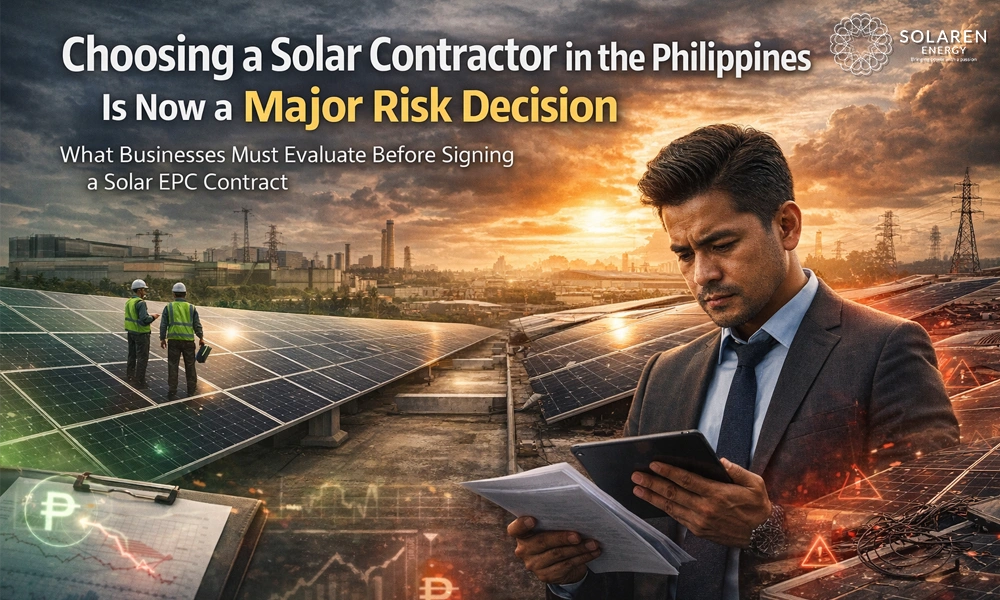
Today, choosing a solar contractor in the Philippines is not just about cost per watt or how quickly the system pays for itself. It is a long-term risk decision. It affects capital allocation, operational continuity, engineering exposure, and ultimately the reputation of the people who approved it.
Solar has moved from being a sustainability accessory to being infrastructure. And infrastructure decisions are rarely small.
Commercial Solar in the Philippines Is Harder Than It Looks
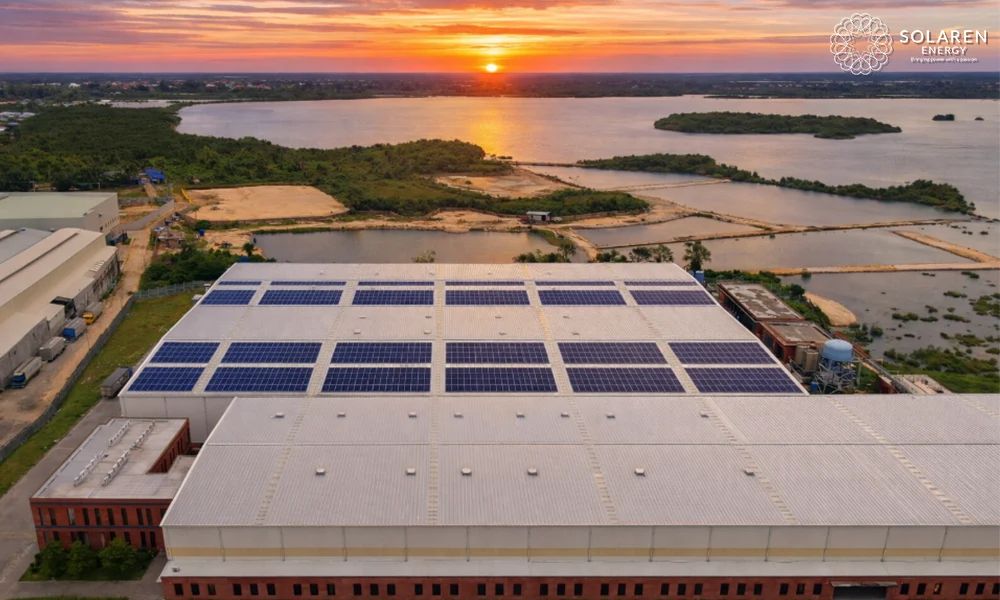
On paper, commercial solar in the Philippines looks straightforward. Panels generate DC power. Inverters convert it to AC. The building consumes what it needs. Excess flows back to the grid under net metering. That explanation fits neatly into a slide deck. Reality is less tidy.
High ambient temperatures push inverters closer to their operating limits than many simulations admit. Coastal air accelerates corrosion in mounting structures and terminations. Humidity can seep into enclosures when sealing is careless. In certain regions, grid instability introduces voltage fluctuation that places additional stress on protection settings and electronics.
None of this is dramatic. It is simply constant. A commercial solar installation in the Philippines is not operating in laboratory conditions. It is operating on top of a working factory, a cold storage facility, a mall, or a hotel. It is exposed to heat, storms, vibration, dust, and an unpredictable grid.
That means the engineering discipline is not optional. It is the difference between stable performance and gradual decline.
What You Don’t See at Commissioning
Every new rooftop solar system looks impressive on turnover day. The monitoring portal is live. The first production numbers exceed expectations. The savings are easy to report. Everyone feels comfortable with the decision. The early months are rarely the problem.
In the past few years, inspections across the country have revealed something more concerning. Systems that are only two or three years old are already showing signs of stress. Inverters derating in high heat. DC cables with poor routing leading to abrasion. Combiner boxes with minor water ingress that went unnoticed until insulation values started to drift.
None of these issues was visible when the ribbon was cut. They emerge slowly. First, as small inefficiencies. Then as unexplained performance gaps. Eventually as repair costs that were never in the financial model. When that happens, the original installation price becomes irrelevant. The conversation shifts from savings to remediation.
That is why the choice of a solar contractor that businesses in the Philippines rely on should not be reduced to who submitted the lowest quotation.
Scale Changes the Stakes
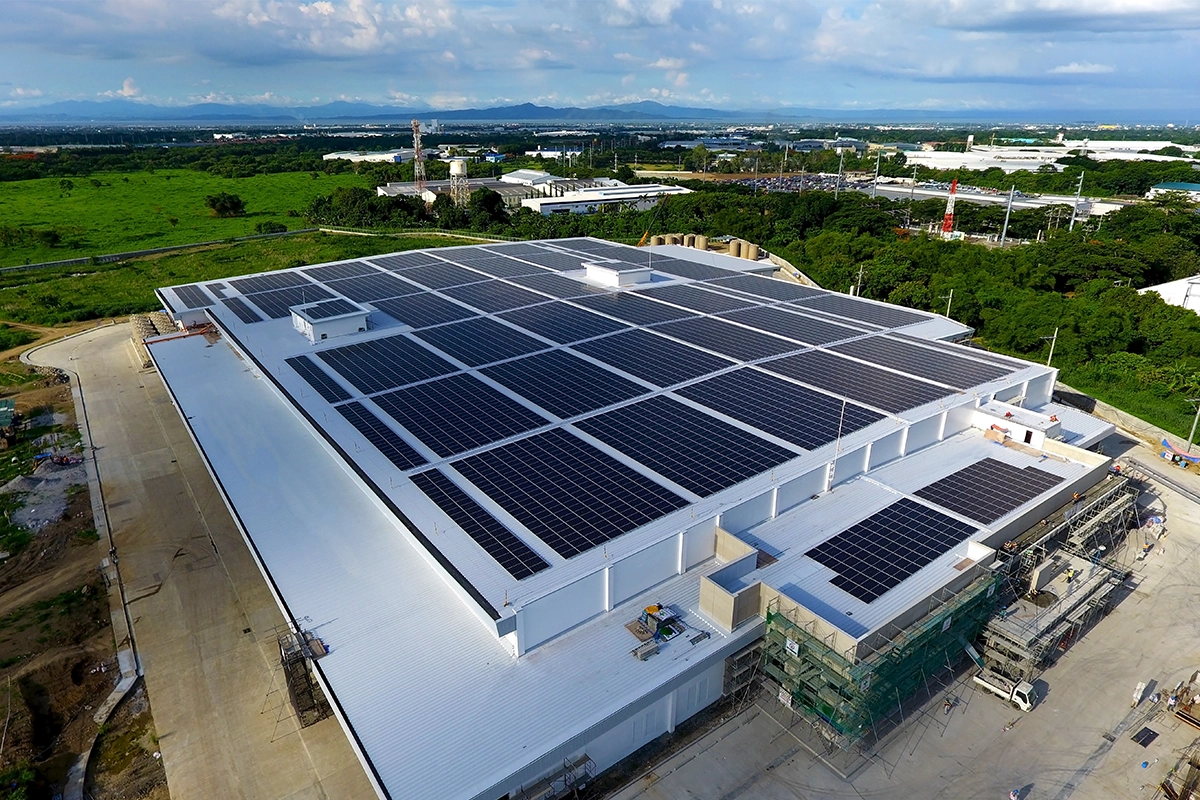
At a small scale, mistakes are inconvenient. At the megawatt scale, they become expensive.
The New Zealand Creamery rooftop project in Laguna is a clear example of what large-scale industrial solar in the Philippines really represents. You can review it here: New Zealand Creamery 2.16MW Rooftop Solar Project
At 2.16 megawatts, that system is not symbolic. It is a power plant installed above a working food production facility. The output influences operating costs daily. The integration must be stable. The design must anticipate long-term stress.
String sizing, inverter loading ratios, protection coordination, and cable management at that scale are not minor design choices. They determine how the system behaves in year five, year ten, and beyond.
When management approves a project of that magnitude, they are not approving marketing. They are approving a 20 to 30-year energy asset. The responsibility does not end when the installation team leaves the site.
The Philippine Grid Adds Complexity
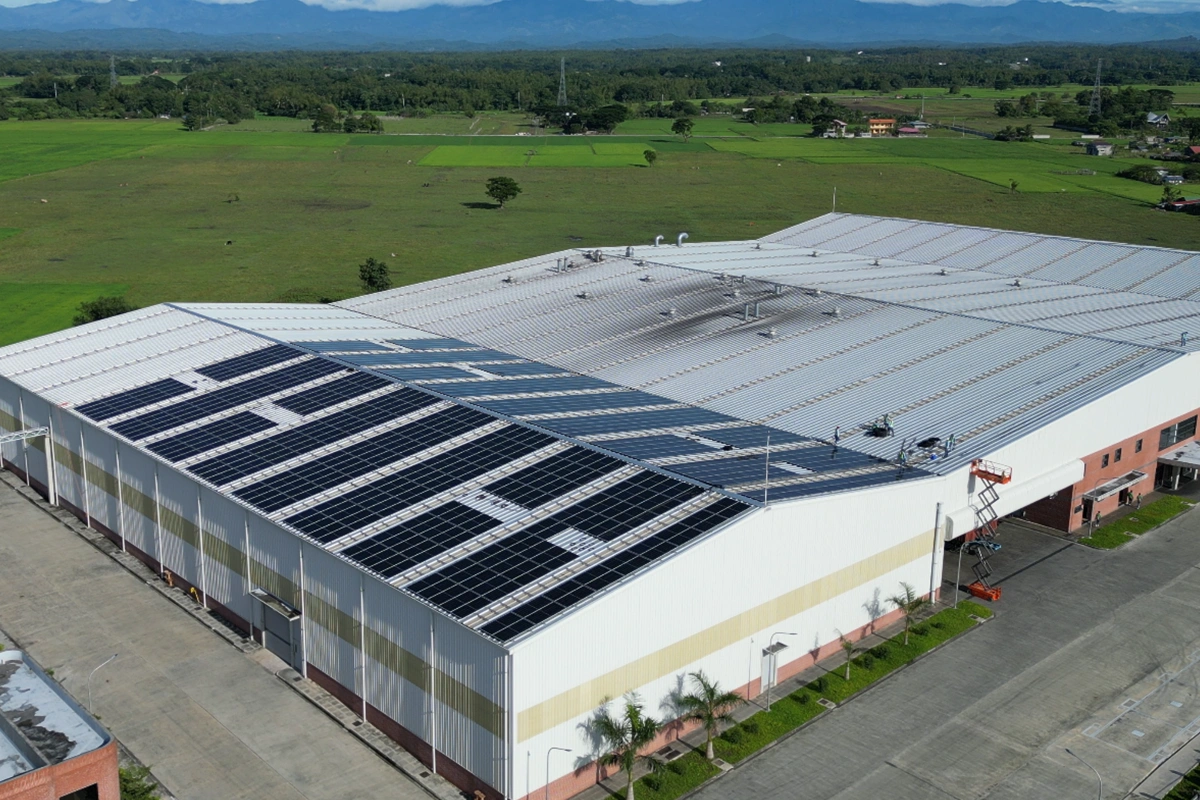
Many financial projections assume relatively stable grid conditions. That assumption does not always reflect local reality.
Certain regions of the Philippines experience voltage fluctuations or grid instability, which complicate solar integration. When grid behavior is erratic, inverter settings, protection coordination, and load interaction require careful attention.
The Oishi Iloilo installation illustrates how grid conditions influence engineering decisions. You can review the project here: Oishi Iloilo Commercial Solar Installation
In environments where the grid is less predictable, the objective is not only to maximize kilowatt hours. It is to ensure smooth interaction between solar generation and facility operations. The system must protect itself and the building’s electrical infrastructure.
A solar EPC in the Philippines that understands these realities designs differently. The focus shifts from chasing peak output to delivering stable, resilient performance. That difference rarely shows up in the first month’s production graph. It shows up over time.
The Compounding Cost of Underperformance
Imagine a factory installing a commercial solar system expected to produce 2,000 megawatt hours per year. If actual production averages 1,700 megawatt-hours due to thermal stress, design inefficiencies, or neglected maintenance, the shortfall may not feel dramatic at first. But at 10 pesos per kilowatt-hour, that 300 megawatt-hour gap represents roughly 3 million pesos per year.
Over ten years, that amounts to 30 million pesos in unrealized value. The initial decision to choose a slightly cheaper solar contractor in the Philippines may have saved a few million pesos at the time of installation. Over time, that saving can be overtaken by gradual performance erosion.
The risk rarely arrives as a crisis. It arrives quietly, in small deviations that accumulate.
Engineering Philosophy Reveals Itself Slowly
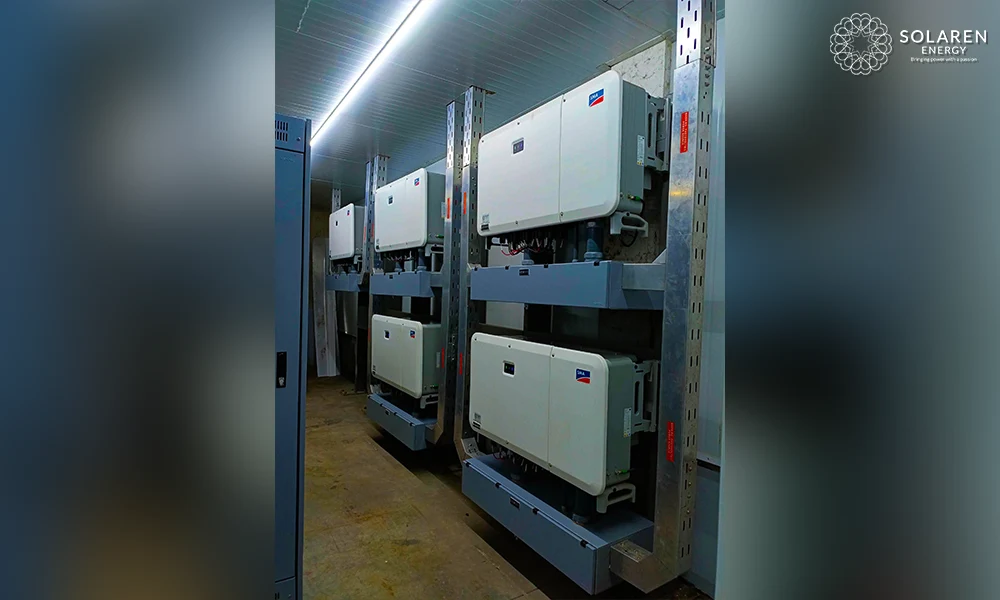
Many proposals in the commercial solar market in the Philippines look similar at first glance. Tier 1 modules. Recognizable inverter brands. Confident yield simulations. What matters lies beneath the summary pages.
Was the inverter loading ratio chosen conservatively, or pushed aggressively to improve the payback calculation?
Were cable routes designed for long-term protection from heat and abrasion, or for installation convenience?
Was the torque verification documented properly?
Was surge protection coordinated for real-world grid conditions?
Is monitoring configured to flag early signs of degradation?
These are not marketing questions. They are engineering questions. A disciplined solar EPC treats a rooftop installation as a multi-decade responsibility. A price-driven contractor may treat it as a completed job upon receipt of the final payment. The Philippine climate does not forgive shortcuts.
For a deeper discussion on how climate-specific engineering affects long-term performance, see: Built to Last: Engineering Solar Resilience for the Philippine Climate
Design decisions that appear minor on a drawing can determine whether a system operates smoothly for twenty years or begins to degrade long before that.
Solar Is No Longer Just a Facilities Upgrade
In many organizations, rooftop solar still begins as a facilities initiative. An engineering manager sees an opportunity to reduce grid purchases. A sustainability officer wants to improve environmental metrics. A finance team sees a reasonable payback period. But once a system crosses into megawatt scale, the implications extend beyond facilities.
Energy cost volatility affects margins. Production interruptions affect revenue. Electrical instability affects sensitive equipment. Maintenance exposure affects long-term budgets. Choosing a solar contractor in the Philippines is therefore not a minor operational decision. It is a strategic one.
Owners and general managers are increasingly aware of this. They ask more detailed questions about lifecycle support. They look at whether engineering is handled internally or heavily subcontracted. They examine the long-term presence and stability of the company standing behind the design.
This shift reflects a maturing market.
The Market Is Growing Up
The first wave of commercial solar projects in the Philippines focused on adoption. Install capacity. Capture savings. Demonstrate sustainability.
The next phase is more demanding. It focuses on durability, documentation, and performance consistency. It asks harder questions about accountability and engineering depth. Some early installations will continue operating efficiently for decades. Others will require remediation sooner than expected.
From the outside, both may look identical. The difference will show up in performance reports, maintenance logs, and financial statements. Businesses that treat solar as long-term infrastructure will experience steady returns and predictable operation. Those who approach it as a simple procurement exercise may discover, years later, that the real cost was never in the panels. It was in the decisions made before installation began. In the Philippines, where energy costs remain high and environmental conditions are demanding, the choice of a solar contractor carries more weight than it once did.
Solar is no longer just about saving on electricity bills. It is about making a disciplined, informed decision about an asset that will sit above your operations for the next 20 to 30 years.And that makes it a major risk decision, whether companies choose to recognize it or not.