Choosing a solar panel supplier in the Philippines is one of the most critical steps in your transition to clean energy. With the number of options increasing and technologies constantly evolving, asking the right questions early on can save your business from costly mistakes and ensure your solar investment delivers long-term returns.
Below are five essential questions every business should ask before signing on with a supplier.
-
What Certifications and Experience Do You Hold?
Your solar panel supplier should have a proven track record and relevant certifications. Ask whether they are registered with PhilGEPS or the Department of Energy, and whether their installers are accredited and experienced with commercial solar energy systems.
A reputable supplier will readily share case studies, client lists, and references. This background helps ensure the company understands the nuances of Philippine regulations and has experience delivering large-scale systems across industries.
-
Do You Offer Customized Energy Solutions?
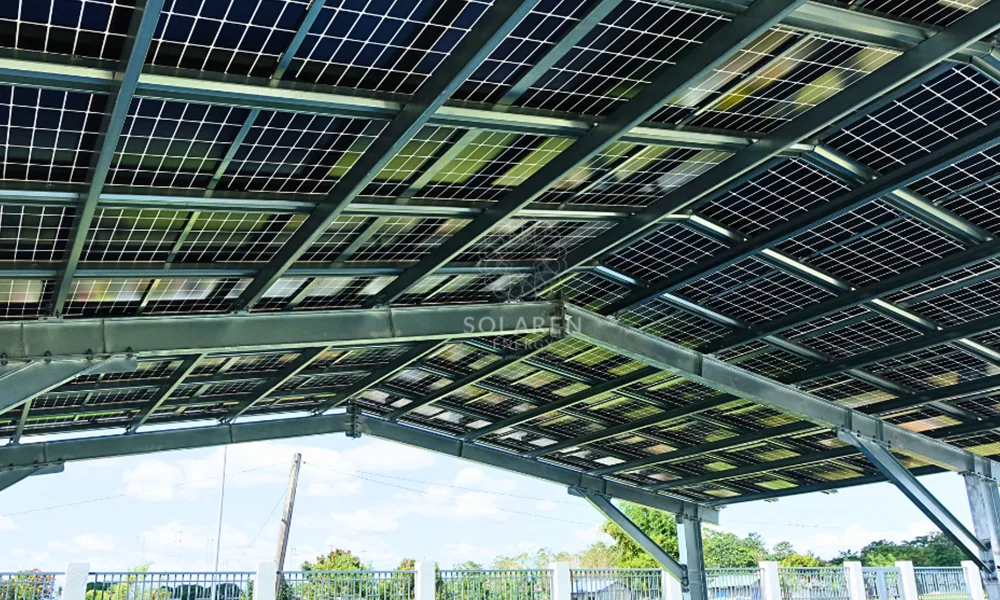
No two businesses use electricity in the same way. A cookie-cutter solar package might not deliver the efficiency or return you expect. The best suppliers analyze your energy bills, map 12-month consumption patterns, and build customized energy solutions to match.
Look for a company that tailors system size, layout, and storage to your specific operations. This avoids both overdesigning (which wastes money) and underdesigning (which limits savings).
-
What Energy Storage Solutions Are Available?
Reliable power is more than solar generation—it requires energy storage. With frequent outages and variable peak pricing, a good system should include energy storage solutions to buffer grid dependency.
Ask your supplier if they offer:
- Lithium-iron-phosphate (LFP) batteries for daily cycling
- Vanadium flow batteries for long life with industrial loads
- Hybrid inverters that control both solar input and battery discharge
- Support for net-metering to export stored power at night
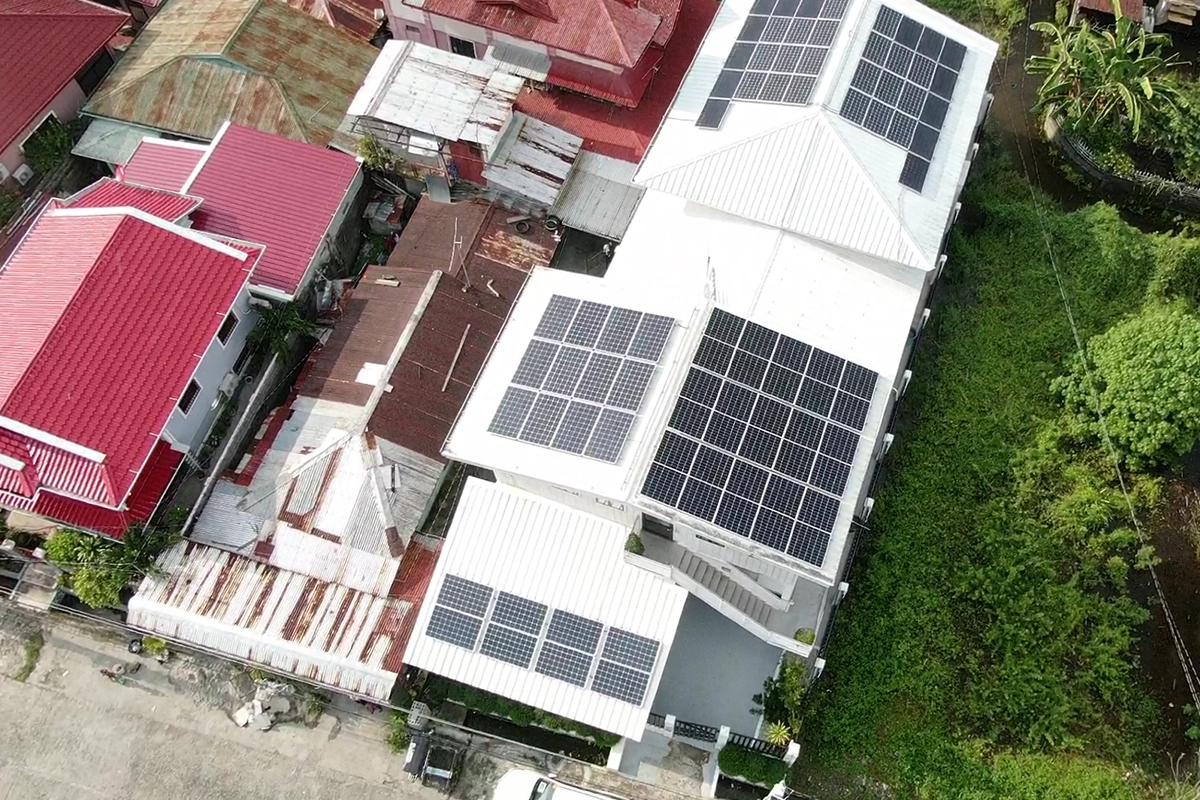
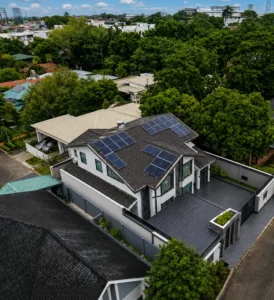
Reliability matters most where grid service is inconsistent. A residential system designed for a retired couple in an area with frequent utility interruptions was engineered to support all household loads while remaining fully net-metering compliant. The system manages daily consumption, feeds excess solar back to the grid, and maintains a positive annual credit balance. With no reliance on diesel backup and no electricity bills to pay, the installation shows how proper load assessment and storage-ready design can deliver both continuity and long-term stability for homeowners.
This capability improves uptime, manages costs during peak hours, and helps future-proof your operations.
-
What Warranties and Maintenance Are Included?
A solar system is a 20+ year investment. Protecting it means understanding the warranty and maintenance support you’ll receive. Ask for:
- 25-year panel performance guarantees
- 5–10 year warranties on inverters and batteries
- Scheduled system inspections and remote monitoring tools
Leading solar companies offer preventive maintenance programs and software that alerts you to real-time performance issues. If your supplier handles ongoing service, you’re more likely to maximize ROI.
-
How Will You Help Us Stay Compliant?
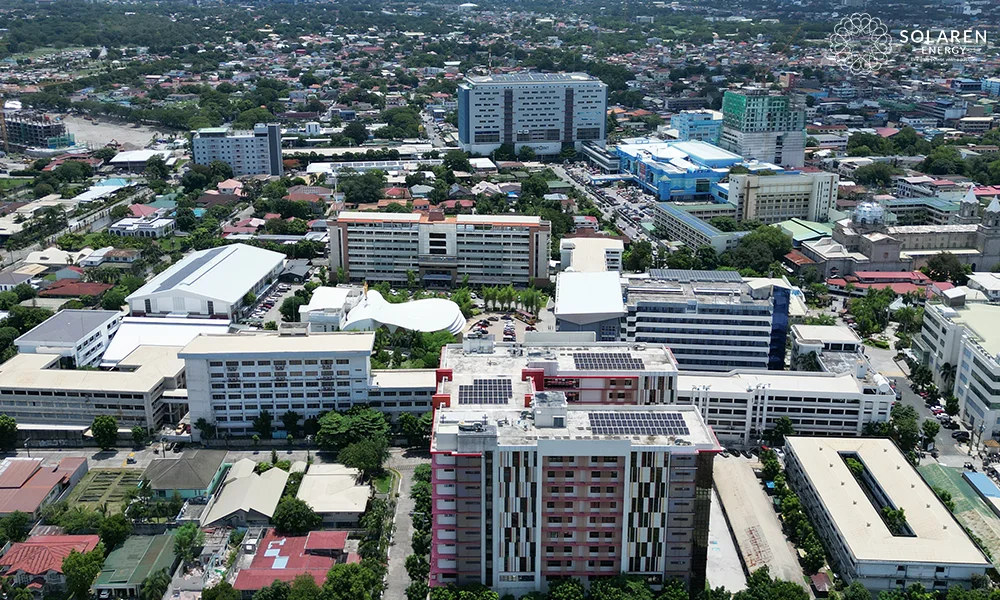
Philippine regulations around renewable energy storage solutions are changing quickly. Your supplier should be ahead of the curve on things like:
- ERC requirements for behind-the-meter installations
- Net-metering caps (e.g., 100 kW export limit)
- Compliance with the Green Energy Option Program (GEOP)
- Participation in the Renewable Portfolio Standard (RPS)
Experienced suppliers take care of paperwork, site approvals, and interconnection studies. This lets your internal teams stay focused on operations, not regulatory filings.
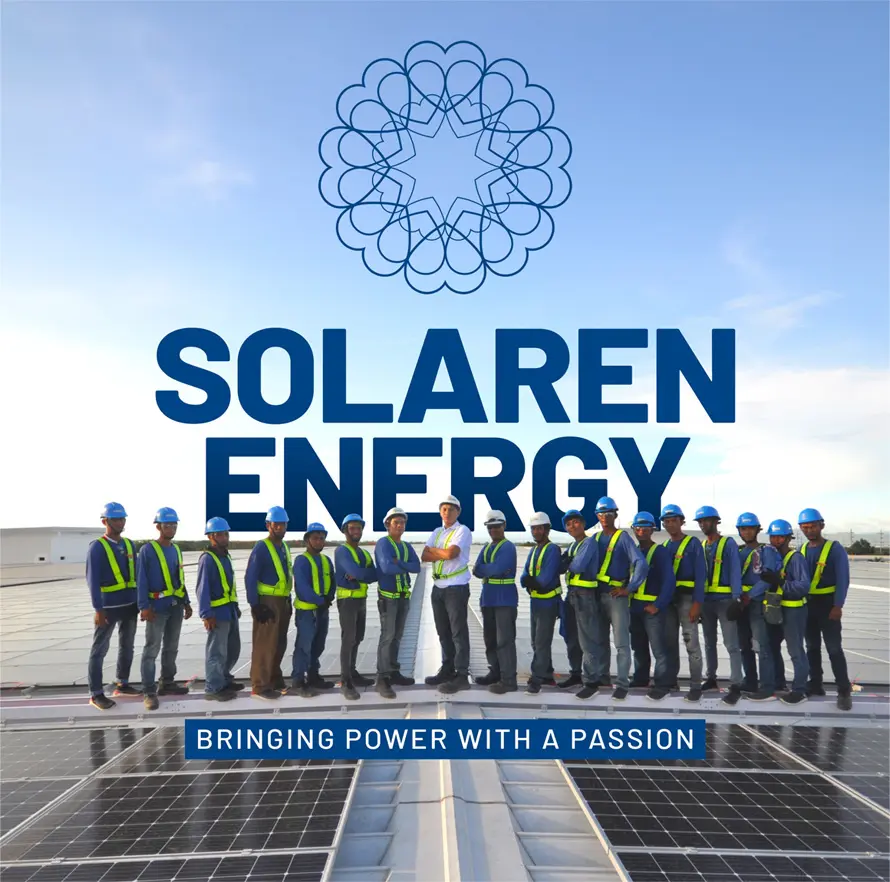
Choosing a solar panel supplier in the Philippines is one of the most consequential decisions a business can make. The technology is mature, the economics are compelling, and the regulatory environment continues to evolve in favour of commercial adopters. But the quality of execution varies enormously between providers. Solaren Renewable Energy Solutions Corporation has completed over 2,500 commercial and industrial solar installations totalling more than 85 megawatts across the Philippines. In that time, the questions businesses ask before signing a contract have proven to be one of the clearest predictors of whether a project delivers on its promise.
These are the five questions that matter most.
FAQ
-
Q1: What certifications and experience do you actually hold?
Credentials in the Philippine solar industry are not optional. Any credible solar panel supplier Philippines businesses engage should hold DOE accreditation for solar PV installation and PCAB licensing for electrical contracting work. These are not the same thing, and suppliers without both are operating outside the regulatory framework that governs commercial solar energy systems.
Beyond paper qualifications, ask for a client list and completed project references across industries similar to yours. A supplier with 50 residential installations is a different proposition from one with proven large-scale commercial and industrial deployments. Ask specifically about projects of comparable size and complexity to your own. A reputable company will share this information without hesitation.
-
Q2: Will you design a system around my actual operations, or sell me a standard package?
No two businesses use electricity the same way. A food manufacturer running three shifts has a fundamentally different load profile from a retail facility or a cold storage operator. The best solar installation Philippines providers begin with a detailed analysis of your energy bills, map your consumption patterns across at least 12 months, and design a system sized precisely to your operational reality.
Ask whether the supplier will assess your peak demand windows, your power factor, and your exposure to demand charges, not just your total monthly kilowatt-hour consumption. A system designed only around energy consumption without accounting for demand management will underdeliver on savings for many commercial and industrial users. Customized energy solutions require time and data. If a supplier is quoting you within 24 hours of first contact without requesting your bills, treat that as a warning sign.
-
Q3: What energy storage options do you offer, and how will they be configured?
Grid-tied solar without storage delivers savings only when the sun is shining and the grid is stable. For businesses operating in areas with voltage fluctuations, outages, or high peak demand charges, energy storage solutions are often where the real financial case is made.
Ask your supplier what battery technologies they work with, what certifications those batteries carry, and how the storage system will be configured relative to your load profile. Lithium iron phosphate (LFP) chemistry is the current standard for commercial and industrial behind-the-meter storage: it offers long cycle life, thermal stability, and compatibility with hybrid inverter systems. Ask specifically how the system will manage peak demand shaving, whether it supports backup power during outages, and how it interacts with your net metering arrangement if one is in place.
A supplier offering renewable energy storage solutions should be able to explain the charge and discharge strategy in plain terms. If they cannot, the configuration has not been properly thought through.
-
Q4: What warranties and ongoing support are included?
A commercial solar system is a 20-year asset. The quality of after-sales support determines whether it performs to design throughout that period or degrades quietly while your savings erode. Ask for clear commitments on panel performance warranties, typically 25 years for reputable tier-one manufacturers, inverter warranties of at least five years, and battery warranties expressed in both years and cycle counts.
Beyond equipment warranties, ask what the supplier’s maintenance programme looks like in practice. Remote monitoring should be standard: you need visibility into system performance without having to call anyone. Scheduled preventive maintenance visits, response time commitments for faults, and a local technical team capable of attending site are all worth confirming before you sign. A solar power company that disappears after commissioning is a liability, not a partner.
-
Q5: How will you manage regulatory compliance and interconnection?
The regulatory landscape for commercial solar in the Philippines continues to develop, and the administrative requirements for interconnection, net metering, and behind-the-meter storage are not trivial. Your supplier should manage this process on your behalf, not hand you a folder of forms and wish you well.
Ask specifically about their experience with Distribution Impact Studies, net metering applications under ERC rules, and compliance with the Green Energy Option Programme (GEOP) and Renewable Portfolio Standard (RPS) where relevant. Understand the export limit applicable to your connection and how the system design accounts for it. Experienced sustainable energy services providers handle permitting, site approvals, and utility coordination as part of their standard scope. This matters more than most buyers appreciate until they are three months into an interconnection queue.
What to Expect from a Site Survey
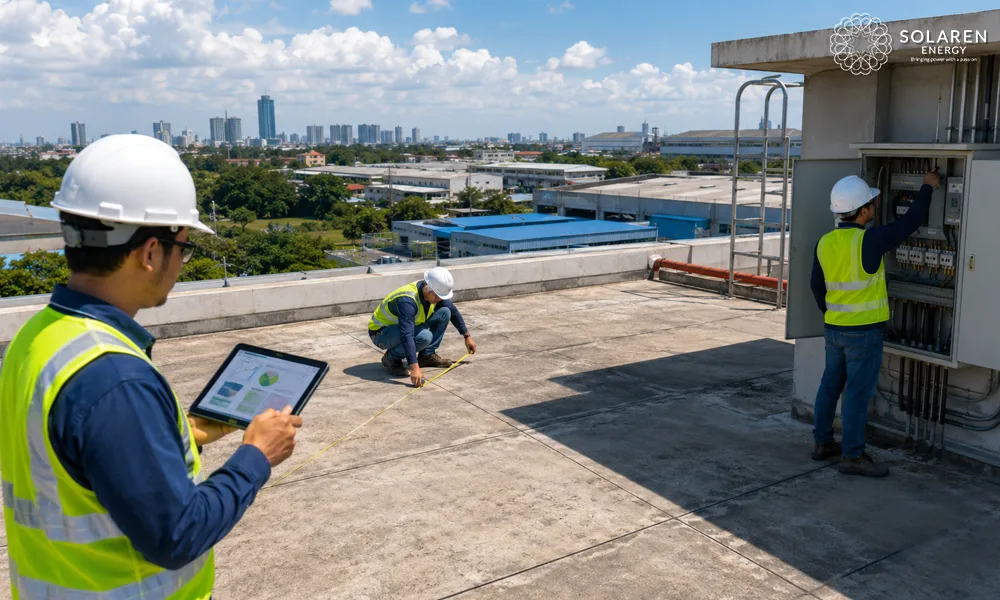
Before any credible supplier produces a proposal, they should conduct a physical site survey. This visit covers roof structure and load-bearing capacity, shading analysis across different times of day and year, available space for panels, inverters, and batteries, and access to your main electrical infrastructure. The proposal that follows should include a detailed performance model, cost breakdown, and projected return on investment based on your actual bills and consumption data, not industry averages.
If a supplier skips the site survey, the proposal they produce is not a serious one.
A Real Example: Food Processor in Central Luzon
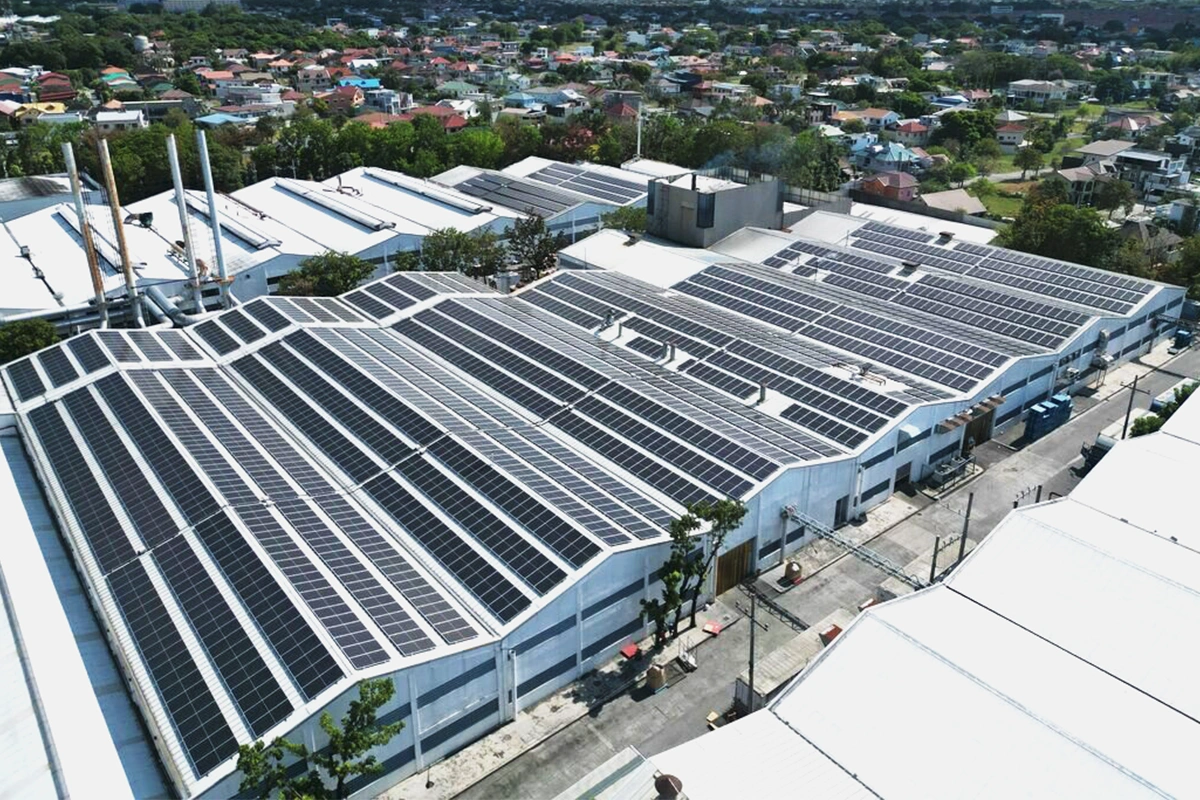
A mid-sized food manufacturing facility engaged Solaren after experiencing persistent demand charge exposure and voltage-related equipment stress. After a full consumption and power quality analysis, Solaren designed a 220 kW grid-tied solar system paired with 160 kWh of LFP battery storage configured for peak demand management and backup power. Grid dependence fell by 45 percent. The system is projected to recover its full cost within 4.1 years, while eliminating the production losses the facility had been absorbing during outages.
The savings came not from solar generation alone but from the combination of generation, storage, and demand management working as an integrated system. Solaren has delivered projects of this kind across the food manufacturing sector, where demand charge exposure and power quality issues are particularly common.
Choosing the Right Partner
The right solar panel supplier Philippines businesses can rely on long term is one that approaches your energy costs as a problem to be solved, not a product to be sold. From initial consumption analysis through system design, installation, regulatory compliance, and ongoing monitoring, the quality of that partnership determines the return on your investment delivers.
Solaren Renewable Energy Solutions Corporation is a DOE-accredited, PCAB-licensed solar EPC company headquartered in Tarlac, Philippines, with over 2,500 commercial and industrial installations completed across more than 85 megawatts of capacity. To discuss your facility’s requirements, contact our team at sales@solaren-power.com or visit solaren-power.com.