Why Commercial Buyers Need a Real Guide in 2026
Commercial solar in the Philippines has changed. Prices have dropped, technologies have improved, and every year, more suppliers enter the market. Some are excellent. Some are dangerous. And most sit somewhere in the space between, offering equipment that looks fine in a proposal but reveals its weaknesses once exposed to heat, humidity, and the everyday punishment of Philippine weather.

For a household, a bad decision is inconvenient. For a hotel, a cold storage facility, a school, or a factory, a bad decision becomes expensive. When you invest in solar at a commercial scale, the equipment you choose and the supplier you trust will shape your cash flow and operational stability for decades. A dependable supplier protects your asset. A careless one quietly drains money every month through lower yield, poor documentation, and slow warranty support.
This guide is written for buyers who cannot afford that kind of risk. It is for the decision-makers who understand that commercial solar is no longer about choosing a brand name or picking a panel from a catalogue. It is about choosing a supplier who understands the environment, the technology, the supply chain, and the long arc of system performance.
What Makes a Solar Panel Supplier Truly Reliable
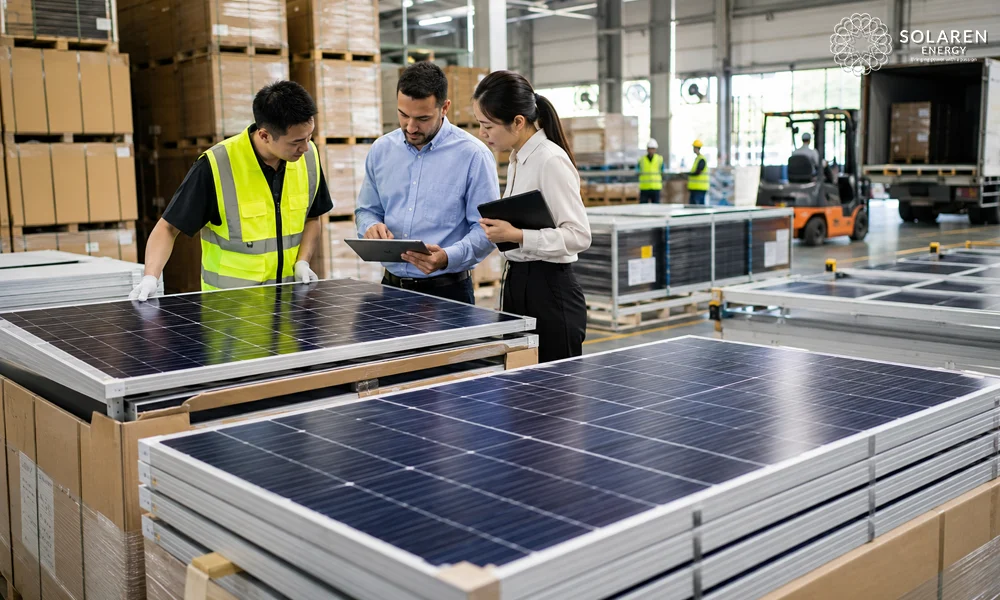
Many buyers compare panel suppliers based on brand, efficiency, and cost. These are important, but they hide the bigger truth. The real value of a solar panel comes from where it was sourced, how it was handled, how much documentation accompanies it, and whether the supplier can support you ten years from now.
Panels can come from the same manufacturer yet differ significantly in quality. Some batches originate from the main factory line. Others come from outsourced facilities. Others sit in storage for months under poor conditions. Without documentation, there is no way to know. A serious commercial buyer must insist on complete transparency. Model numbers and glossy brochures mean very little on their own. What matters are factory flash tests, serial number traceability, batch data, and clean logistics. These protect your investment long after the installation photos have been taken.
Why Technology Choice Matters More Than Ever
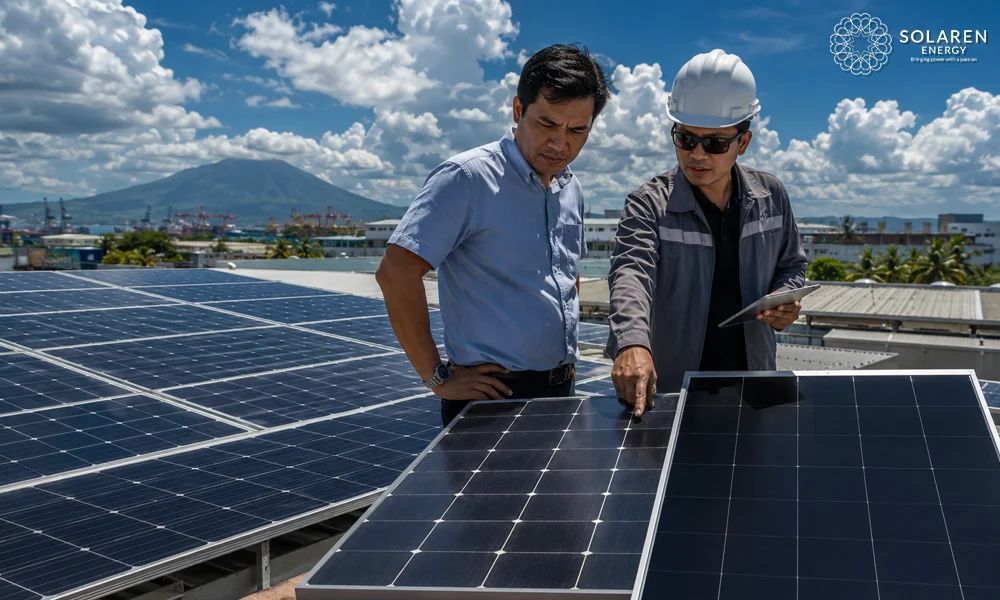
Technology is moving quickly. TOPCon modules have become the standard choice for commercial sites in the Philippines because they deliver stronger performance in high heat and generate more energy during the midday hours, when demand is highest. Back-contact modules are now emerging as the next class of premium panels. They promise higher efficiency, lower mismatch loss, and better shading tolerance. These gains translate directly into higher yield in real Philippine conditions.
The supplier you choose should be able to explain these technologies clearly. They should know which factories produce reliable TOPCon modules and which ones cut corners. They should understand the differences in encapsulation, glass composition, and cell architecture. A supplier who cannot answer these questions is not ready for commercial work. Someone who buys panels from whatever warehouse happens to have stock that week is taking risks with your system that you will not see until the yield reports and savings begin to flatten.
The Critical Importance of Documentation and Traceability
Panel documentation is not an optional extra. It is the foundation of your long-term warranty protection. Flash test reports tell you the actual output of the panels you purchased. Factory certificates indicate where the modules were manufactured. Batch documents tell you how consistent the shipment is. Serial tracking allows future replacements to match electrically.
If your supplier cannot hand these documents to you without any hesitation, you should walk away. The panels may look identical, but their behavior over twenty years can differ dramatically if the sourcing path was unclear or compromised. Documentation is your only defense against hidden risk.
Why Long-Term Performance Matters More Than the Initial Price
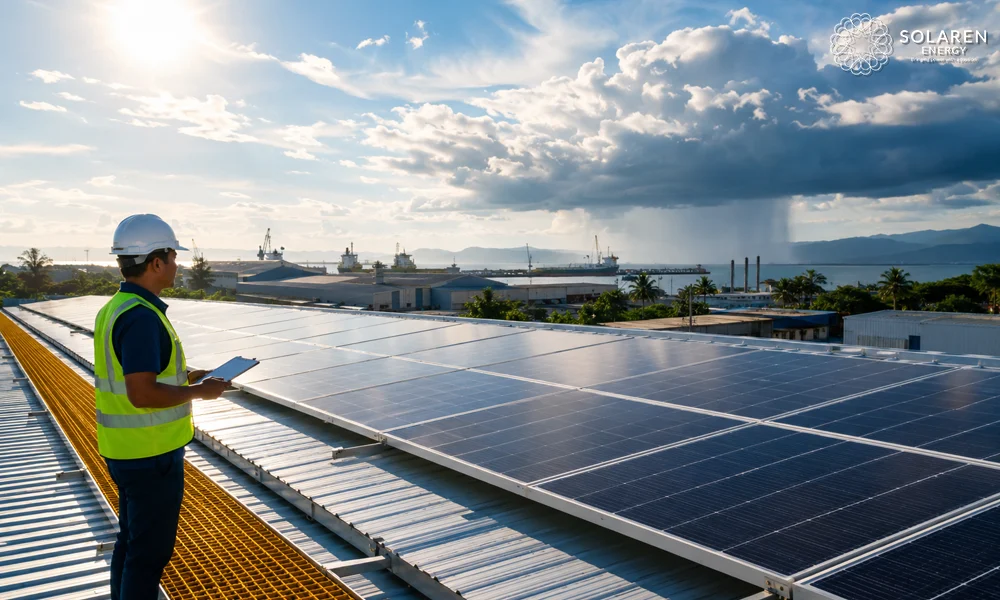
Commercial solar earns its returns slowly. A few centavos per kilowatt-hour saved every hour, all year, for decades. That only works if the equipment performs consistently. A panel with poor degradation rates or weak heat tolerance will cut into those savings every day.
Buyers in 2026 should be looking at the long-term picture. A cheaper panel can cost far more in the long run if it loses output faster. In a hot climate like the Philippines, temperature coefficients matter. In coastal provinces, salt-mist resistance matters. In industrial zones, stronger glass and robust frames matter. Everything that affects yield becomes a financial issue sooner or later.
A reliable solar panel supplier in the Philippines will speak openly about these factors. They will tell you why a specific module will earn more for your facility across its life cycle and how it will behave during heat waves, monsoon storms, and seasonal humidity shifts.
Learning From Real-World Performance
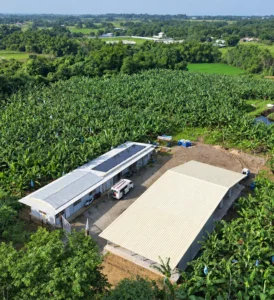
Field performance is the best indicator of supplier quality. A supplier with real installations running for five, seven, or ten years, with strong output, can be trusted to supply your system. One example is the New Zealand Creamery installation, which has continued to operate reliably for seven years. No severe degradation, no corrosion issues, no unexpected equipment failures. Real projects like this show what the equipment can do when the supplier understands both sourcing and long-term conditions.
If a supplier cannot show anything beyond glossy commissioning photos, that is a warning sign. Real performance is earned, not marketed.
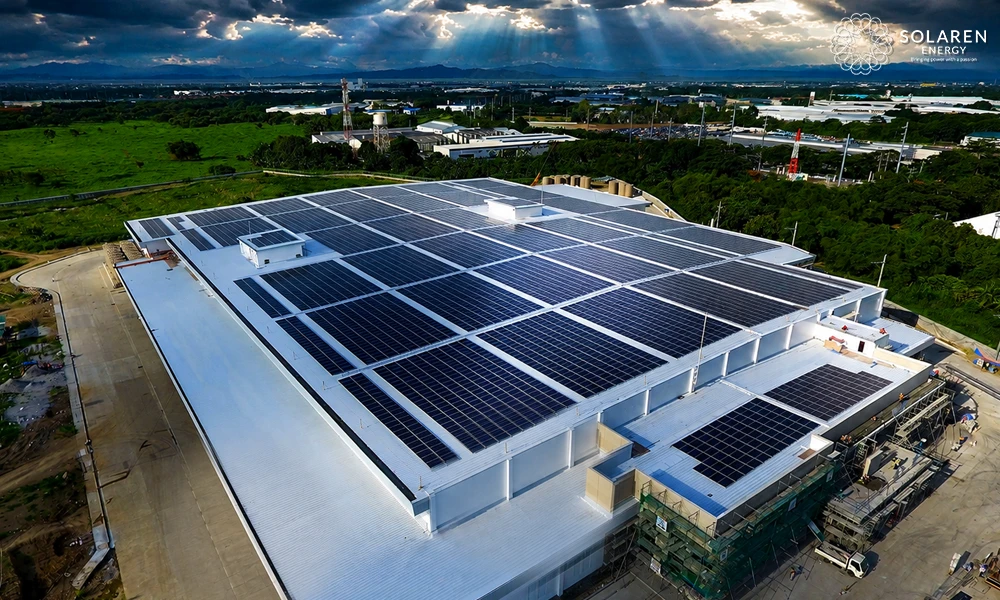
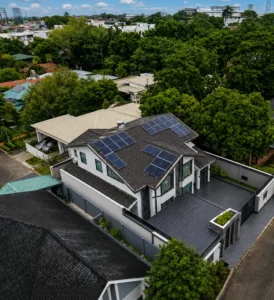
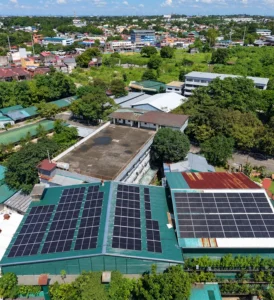
A reliable supplier should be able to prove long-term performance, not just talk about it. Solaren’s own portfolio shows why this matters. Projects like New Zealand Creamery still deliver strong output after seven years of operation, with no corrosion problems, no unexplained failures, and no performance collapse beyond normal module ageing. Anyone evaluating a supplier should ask for this level of proof. Not three or four handpicked sites. At least 100 verifiable projects with years of actual performance behind them. And not just a list of names. Real locations. Real data.
Real systems that continue to run well long after the commissioning photos have faded. You can see Solaren’s commercial track record here: https://solaren-power.com/projects/. Long-term performance is not something you can fake. It shows up only when the planning, engineering, sourcing, and workmanship were done properly from day one.
What Buyers Forget to Ask and Why It Matters
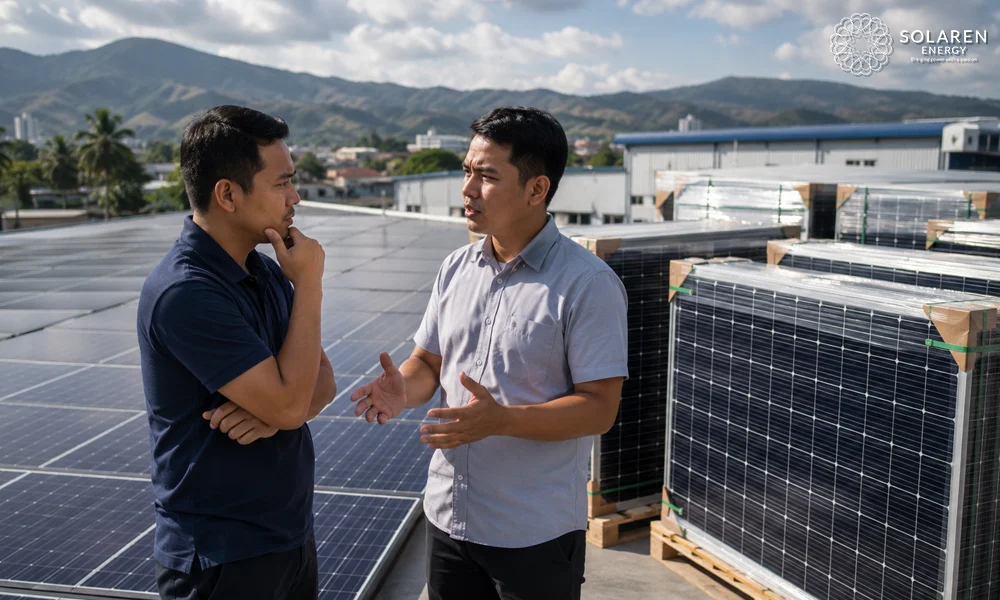
Many commercial buyers do not ask the questions that reveal the truth about a supplier. They compare prices and equipment lists but skip the discussions that matter. Before you choose a supplier, you should know how they handle warranty claims, how they work with manufacturers, how fast their replacements arrive, and whether they have stable sourcing for future expansions.
A good supplier plans. They know that panel models can change, factories shift production, and replacements may not be available later. This is why responsible suppliers keep spare panels or advise clients to secure a small batch from the start. It is surprising how many companies ignore this and then struggle years later when a single panel fails, and no matching replacement is available anywhere in the market. You would be amazed at how often this happens.
The Real Guru Test for Supplier Competence

A supplier who cannot explain exactly where their panels came from is not ready for commercial work. At the very least, they should be able to hand over factory flash tests, traceability documents, and batch data. These are standard in the global industry. If a supplier hesitates or offers excuses, it usually means they are buying from middlemen rather than through controlled channels.
Your supplier should understand the technology road map. TOPCon is common today. Back-contact is coming fast. A competent supplier can explain which panels suit your environment, why they matter, and how the next decade of improvements will affect your system.
They should understand the entire journey from factory to warehouse to delivery. They should avoid grey-market stock. They should know how the panels were stored before you received them. That level of knowledge protects you from microcracks, moisture exposure, and batch inconsistency.
And they must take after-sales seriously. Warranty claims require a fast response. Replacement logistics must be reliable. Documentation must be complete. A supplier who disappears after delivery puts the entire system at risk.
One of the simplest ways to judge a supplier is to ask for a long list of references and call a few at random. Not the handpicked ones. Not the newest installations. A few older clients. Those conversations reveal more about a supplier’s character than anything written in a proposal.
Why The Right Supplier Matters in 2026
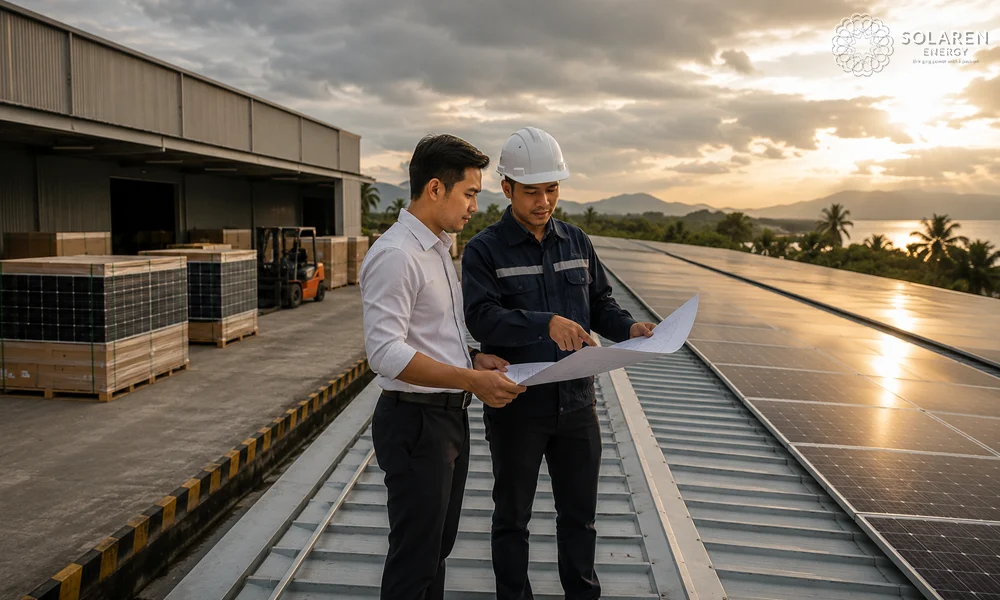
The industry is expanding quickly. More companies are entering the market. More warehouses are stocking panels from mixed sources. More businesses are now adopting storage. In this environment, the supplier you choose has more influence on your system’s performance than ever before.
A reliable solar panel supplier in the Philippines gives you confidence to invest at scale. They protect your equipment. They protect your yield. They safeguard your long-term returns. They stay present not only during installation but throughout the life of the system.
The right supplier does not just sell panels. They safeguard a twenty-year asset. In 2026, that is what commercial buyers need most. They need partners who treat solar seriously, who respect the conditions in which the equipment will operate, and who understand that long-term reliability is never an accident. It is the result of discipline, transparency, and technical integrity at every step.
Philippine businesses deserve systems that perform as promised. The suppliers who embrace that responsibility are the ones shaping the next decade of commercial solar in the country. They are the suppliers who will most certainly survive and deliver the after-sales service you deserve.