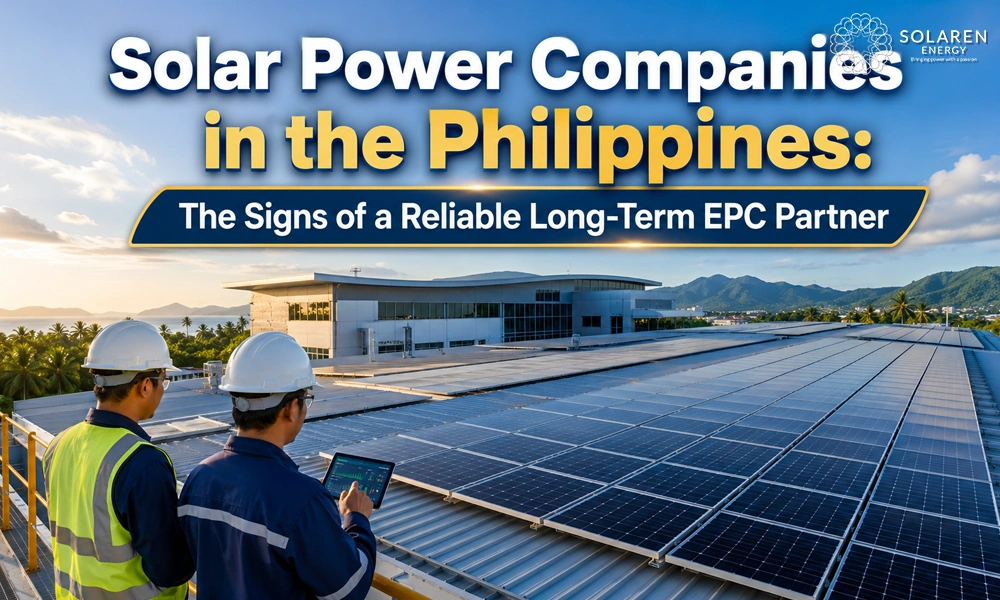
Solar has become one of the most crucial business decisions companies make in the Philippines. Electricity costs keep rising. Grid behaviour remains unpredictable. And the pressure to improve stability has pushed more facilities to evaluate solar as a long-term financial asset rather than a quick upgrade. This change has created a new kind of question that every decision-maker eventually faces. How do you identify a solar power companies in the Philippines that can deliver a system built to last for twenty years rather than one that only performs well during the first few months?
The answer sits in a combination of engineering judgement, design quality, equipment choice, and long-term support. These elements decide whether a system maintains its yield, protects uptime, and delivers the financial returns projected at the start. Panels and inverters matter, but the difference between a good EPC and a weak one often reveals itself only after years of operation. The companies that deliver consistent performance treat solar as infrastructure, not as a commodity on a sales sheet.
Why Engineering Quality Always Shows Up in Long-Term Yield
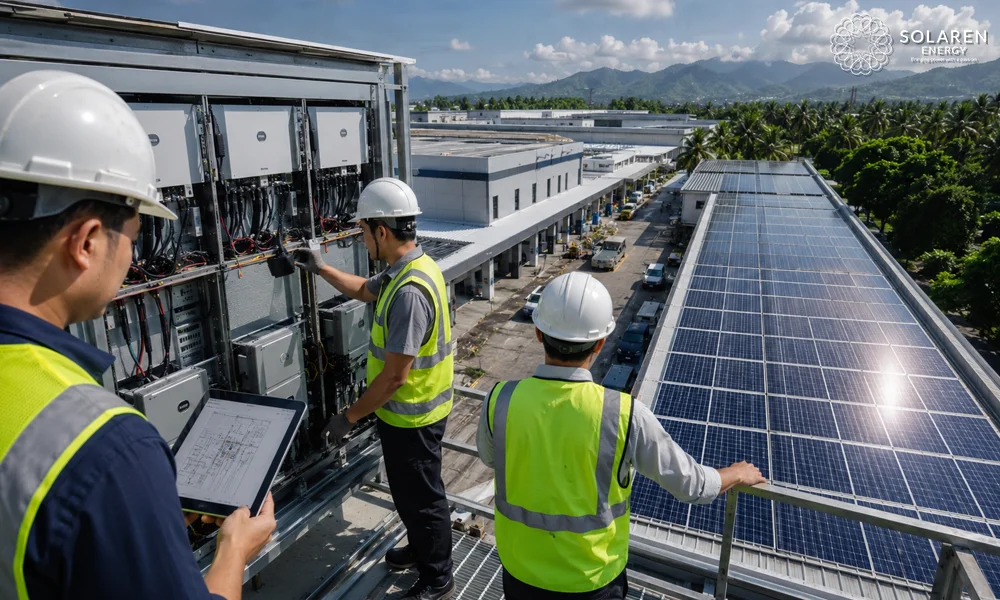
Many companies begin their solar journey by comparing prices and equipment lists. That is understandable, but it rarely tells the full story. Two EPC firms can use the same panels and inverters yet deliver systems with very different yields. The reason is simple. Long-term yield is often determined more by engineering than by equipment labels.
A strong EPC studies the load profile before they look at the roof. They align solar production with business hours, equipment cycles, expected growth, and internal wiring conditions. They check how the facility behaves during peak demand. They evaluate the electrical system, phase balancing, and the type of loads that dominate daytime consumption. Design work like this takes time, but it can and will directly affect how much energy the system produces each month.
When engineering is rushed or generic, losses begin to build up. Panels are placed where shading or heat soak reduces their output. Inverters are sized incorrectly. Cables are routed without considering voltage drop. Protective devices are matched poorly to local grid behaviour. Each small mistake becomes a small loss. Over twenty years, those losses can evolve into millions of pesos.
Why High-Yield Equipment Matters More Than Clients Realize
Equipment choice plays a critical role in long-term success. The Philippine climate demands hardware that performs well in heat, humidity, and frequent weather swings. A reliable solar power company in the Philippines will insist on modules with strong temperature coefficients and high efficiency. They will pair these panels with inverters known for uptime, stable and widely adjustable grid response, and dependable performance during voltage fluctuations.
You can see this clearly in highly exposed sites along the coastline. One example is the solar installation at Nolet Beach Resort in Iloco.
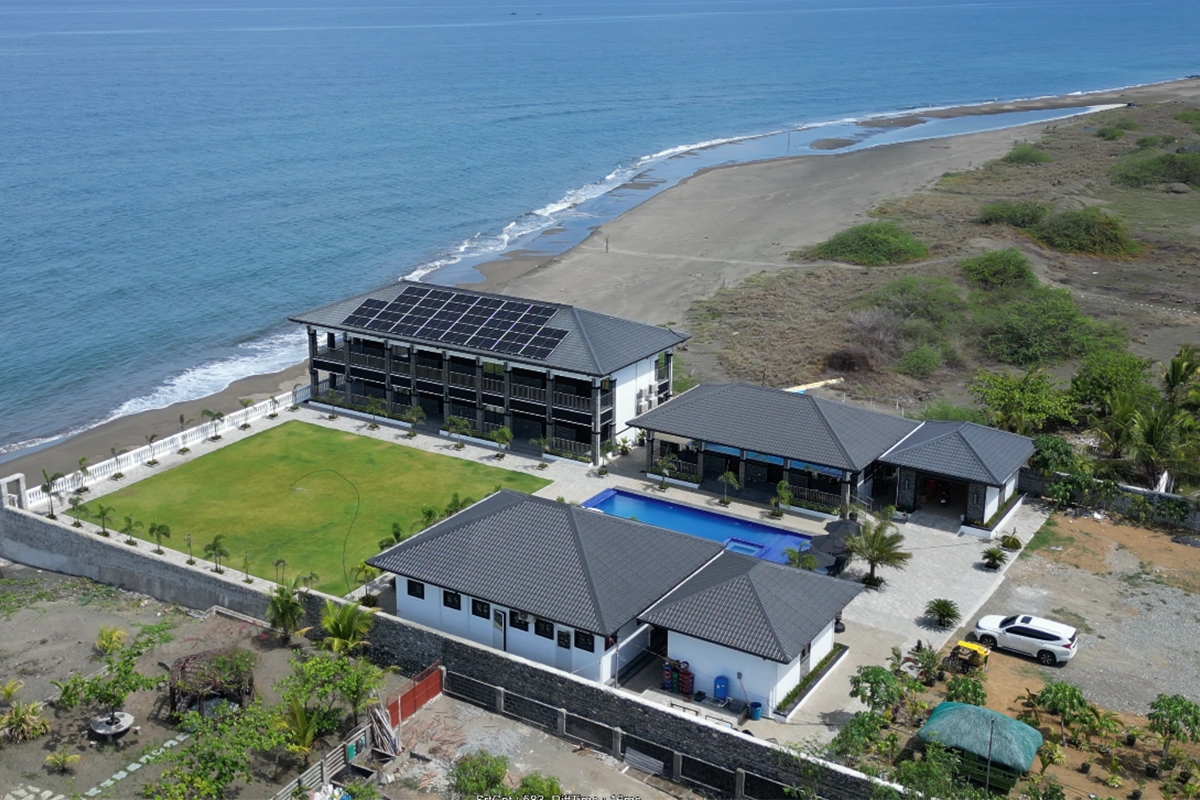
The resort sits directly on the shoreline, where strong winds, salt exposure, and intense afternoon heat punish every component of the system. Despite these harsh conditions, the installation generates strong, stable output because the engineering accounted for corrosion risk, wind behaviour, and material fatigue. Heavy-duty structures, premium inverters, and careful grounding made a measurable difference. The system continues to deliver reliable generation season after season because every design choice was made with the site’s environment in mind.
Small technical choices that seem insignificant on paper become decisive in locations like this. A panel with stronger salt-mist resistance. A mounting profile designed for typhoon zones, and doubled up for extra resistance.. A cable specification chosen to withstand harsh, long-term UV exposure. Over the life of a commercial installation, these decisions turn into either preserved yield or premature decline.
Why Workmanship Determines Uptime and Structural Safety
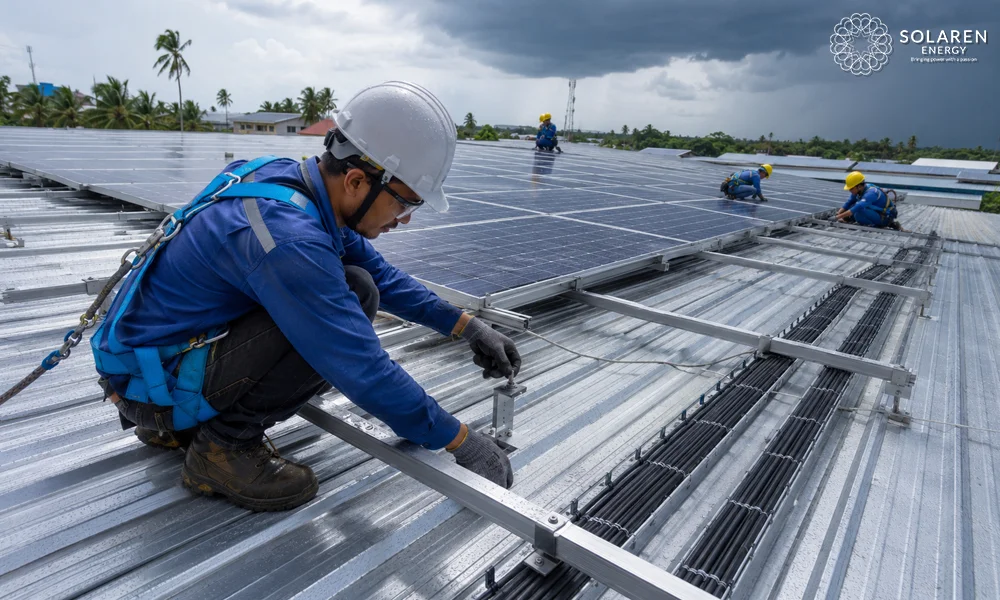
A solar system is a physical asset that must withstand the country’s climate. Workmanship is often the strongest predictor of uptime and structural stability. The mounting structures must withstand years of sun, rain, and strong winds. Cable management must protect conductors from heat, water, and mechanical stress. Every clamp, bolt, and connector matters. A loose connection may not fail on day one. It may fail after a storm, during a particularly hot week, or after months of vibration on a large metal roof.
Companies that treat solar as a long-term asset always ask who will physically build the system. If the EPC relies heavily on subcontractors, there is no guarantee of consistent quality. Standards vary from crew to crew. The final output depends on the skill of whoever happened to be available that week. Solar systems installed this way may look fine in photos, but suffer faults once weather conditions change.
Reliable firms maintain in-house engineering and installation teams. They follow the same standards on every project. They sign their name to the workmanship. They have direct accountability when the system needs support five or ten years down the line.
Why Proven Long-Term Performance Separates Strong EPCs from Weak Ones
One of the strongest signs of a dependable EPC is what its systems look like several years after installation. Anyone can deliver a clean photo on commissioning day. Only a strong solar power company in the Philippines can point to multi-year field performance.
A clear example is the installation at New Zealand Creamery
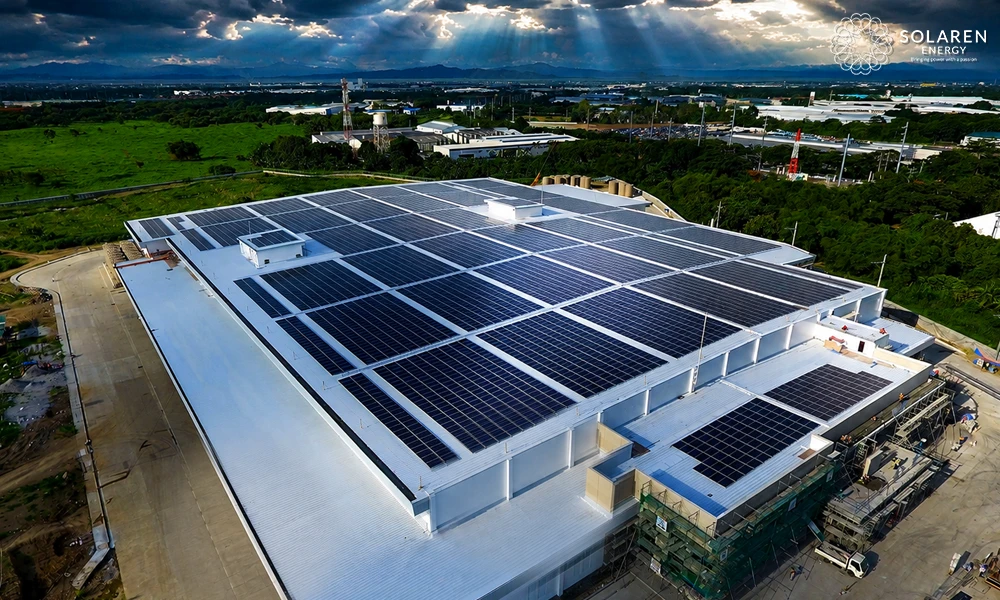
The system has been running for seven years at the time of writing, and the performance is still exceptionally strong. There have been no issues with corrosion, no unexpected failures, and no noticeable drop in yield beyond the normal degradation expected from premium modules. This kind of stability does not happen by accident. It comes from the engineering discipline, careful component selection, and consistent maintenance support. A system that still delivers dependable generation in its seventh year tells the client everything they need to know about the EPC’s design philosophy. The system continues long after the capital is returned.
When an EPC can show multiple long-running systems that maintain high output across many seasons, it signals genuine technical competence rather than marketing strength.
The Importance of Monitoring and Fast Data-Driven Support
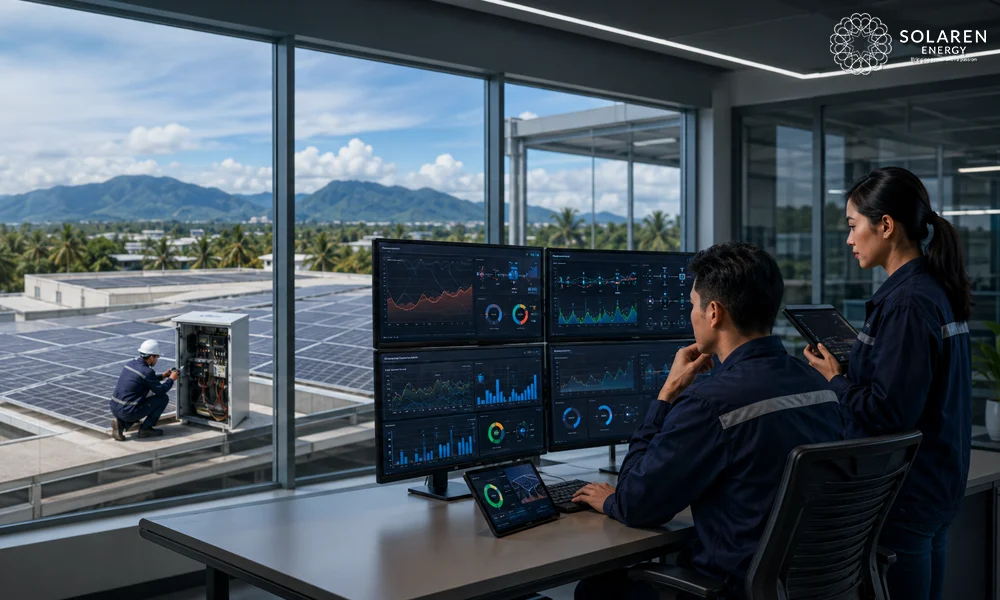
Monitoring is not a luxury. It is a requirement for long-term performance. Every high-yielding system in the Philippines has a reliable monitoring platform that tracks generation, inverter behaviour, downtime, anomalies, and degradation trends. Companies that take monitoring seriously solve problems before they grow into bigger issues.
A good monitoring system allows the EPC to identify a failing string, a dirty panel, or a voltage fluctuation within minutes. Without monitoring, a system can continue losing yield for weeks before anyone notices. This is one of the major reasons many solar systems fail to meet their expected returns. They are not actively watched.
The difference becomes obvious when an EPC is committed to long-term support. They check trends. They act on alerts. They call the client before the client notices anything. This kind of partnership protects the system’s financial value.
Why Compliance and Utility Coordination Shape Long-Term Success
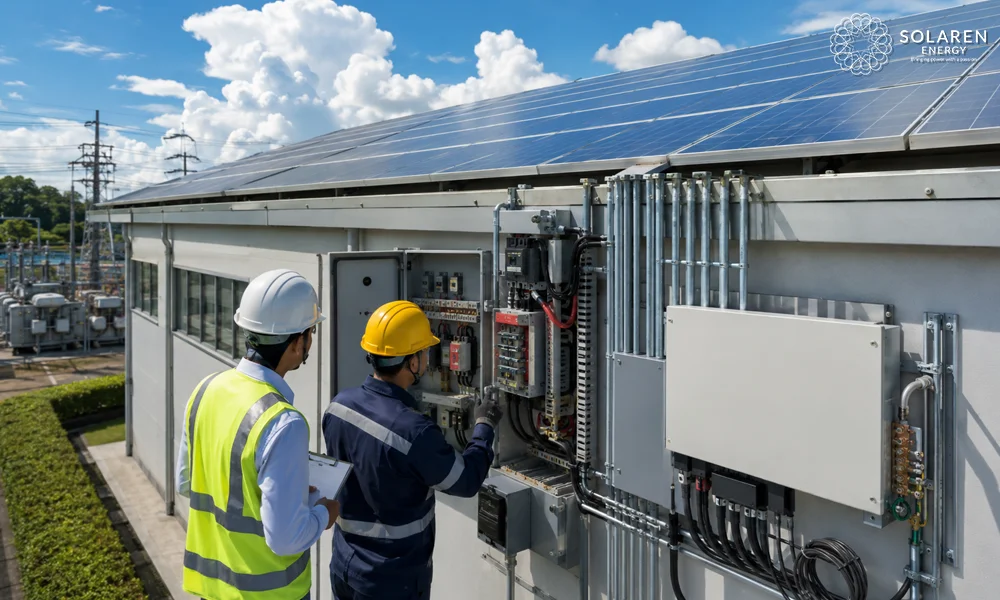
Solar in the Philippines operates within a regulated environment. Net metering, interconnection rules, export caps, breaker sizing, cable upgrading, and grounding requirements all influence the long-term behaviour of the system. A reliable EPC navigates these requirements without guesswork. They know how utilities treat export power. They know which substations are sensitive to voltage rise. They know when to reinforce cable routes or install protective devices to prevent nuisance tripping.
These details determine whether the system runs smoothly or suffers frequent shutdowns. Many systems underperform not because of bad hardware, but because of poor interconnection planning. A capable EPC prevents these issues by treating compliance as part of engineering, not as paperwork to be done at the end.
Why After-Sales Support Determines the Real Value of a Solar EPC
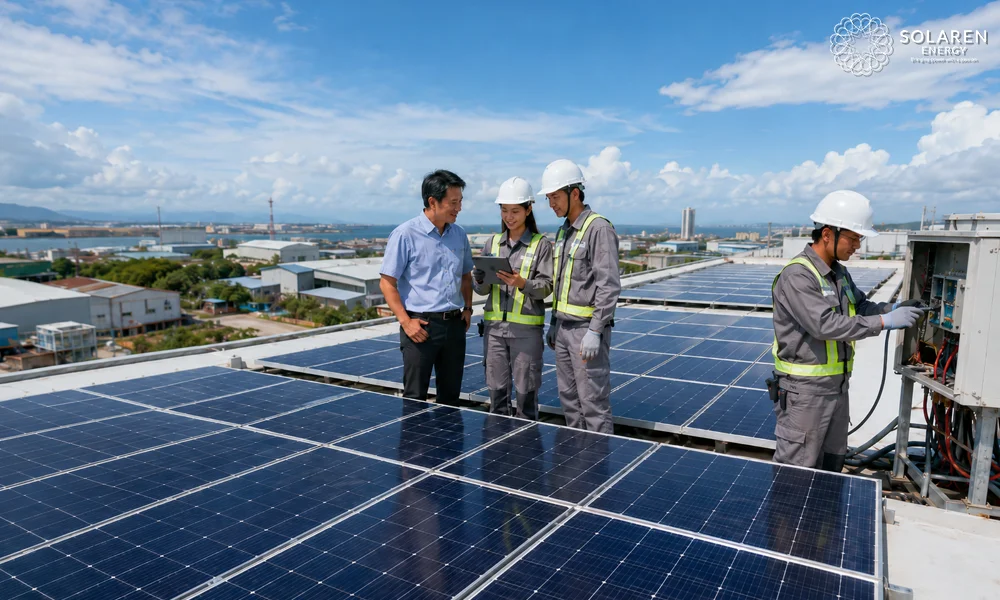
Solar is a twenty-year relationship. The system will need periodic cleaning, inspection, testing, and occasional component replacement. The EPC must be reachable. The team must still be active in the industry. They must honour warranties and handle service calls without delay.
When a company disappears after commissioning, the client is left with an expensive asset and no support. This is why many businesses only work with EPCs that have a long track record, stable management, and strong operational teams. The highest-yielding systems in the Philippines are maintained by companies that treat after-sales as part of the product, not an optional extra.
The True Signs of a Reliable Long-Term Partner
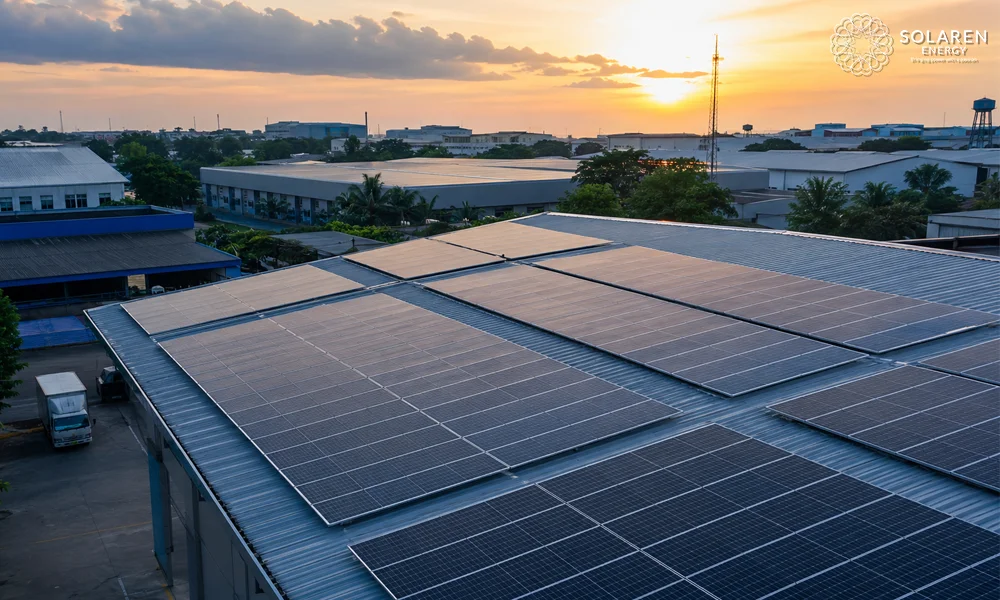
The companies that stand out in the Philippine solar industry are those that deliver predictable performance, stable yields, and well-supported systems that maintain their value year after year. Choosing the right partner is not only about getting panels on a roof. It is about securing a long-term asset that behaves reliably through changing weather, rising prices, and shifting business conditions.
Solar has quietly become one of the most important tools companies use to manage risk and plan their financial future. When you choose the right EPC, the system becomes something you can depend on. It cuts costs, steadies your energy supply, and reduces a significant source of uncertainty businesses face every month. Pick the wrong solar partner, and the opposite happens. You inherit years of avoidable problems, hidden losses, and constant frustration.
Businesses in the Philippines deserve systems that work as promised. A trustworthy EPC earns that trust through solid engineering, good equipment, careful monitoring, and support that does not disappear after commissioning. When those pieces come together, solar stops being just another project on the roof. It becomes a long-term financial advantage that helps the whole business run with more confidence.