A solar power system reduces what you buy from the grid. Net metering determines what happens to what you do not use. The two work together, and understanding how they interact changes how you think about the financial case for solar.
Without net metering, surplus generation is wasted. Your system produces more than your building needs at that moment, the excess goes nowhere, and the financial return is lower than it should be. With net metering properly in place, that surplus goes to the grid and comes back to you as a credit against future consumption. The meter runs in both directions and the economics improve significantly.
This is not a minor detail. For facilities that generate more than they consume during daylight hours, businesses closed on weekends, households that are empty during the day, and industrial sites with light Saturday loads, net metering can be the difference between a three-year payback and a five-year one.
What Net Metering Actually Does
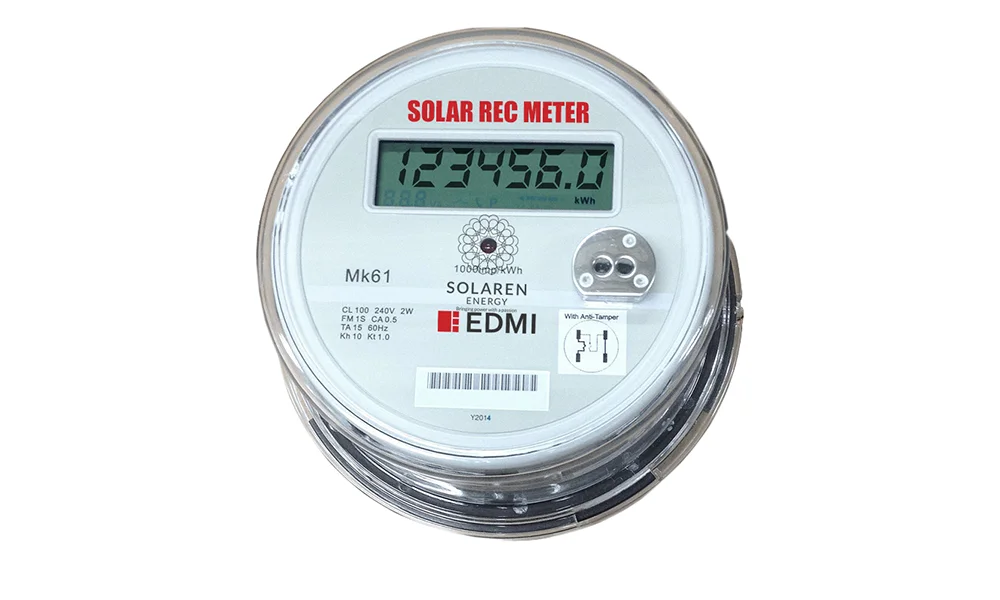
The mechanism is straightforward. Your solar power system generates electricity. Your building uses what it needs in real time. Any surplus flows out through your meter to the distribution grid. The utility records that export and applies it as a credit to your next bill. When your system is not generating enough, at night, on overcast days, during heavy load periods, you draw from the grid as normal, and those credits offset what you consume.
The financial value of the credit depends on your distribution utility’s approved rate. It is typically lower than the retail rate you pay for grid electricity, which is why maximising self-consumption is always the priority in a well-designed system. But the credit is real, it accumulates, and on sites where weekend or nighttime export is significant, it contributes meaningfully to the overall return.
For a household consuming 600 kWh per month but generating 750 kWh, the 150 kWh surplus earns credits that offset consumption during low-generation periods. Over twelve months that credit accumulation shortens payback, improves the internal rate of return, and makes the investment case stronger than a simple daytime offset calculation would suggest.
The New Rules and What They Mean
The regulatory framework for net metering in the Philippines has improved significantly. Under Executive Order 110 and subsequent ERC guidelines, distribution utilities are required to process net metering applications within ten working days of receiving a complete application. The intent is to remove the bureaucratic friction that previously made net metering approval slow, unpredictable, and in some cases prohibitively difficult for smaller installations.
In principle this is a genuine improvement. The ten-day mandate is specific, enforceable, and represents a meaningful commitment to making distributed solar generation financially viable for ordinary commercial and residential users.
In practice the picture is more nuanced. Many distribution utilities, particularly smaller rural cooperatives, are processing a significantly higher volume of applications than their administrative capacity was built for. The ten-day rule is the legal standard. The actual timeline varies by utility and by the completeness of the documentation submitted. Utilities that are overwhelmed with applications are not necessarily being obstructive, they are working through a backlog that the growth of solar adoption has created faster than their processes have adapted.
The practical implication for any solar owner is that net metering approval requires active follow-up and complete, correctly formatted documentation from the outset. An incomplete application does not start the ten-day clock. An application submitted to the wrong department does not either. The administrative details matter more than most people expect.
Why Your EPC’s Role in Net Metering Matters

This is where the choice of installer has a direct financial consequence that most buyers do not factor into their comparison.
An experienced EPC that has processed net metering applications across multiple distribution utilities knows exactly what each utility requires, how to format the submission correctly, and who to follow up with when the process stalls. That knowledge is not documented anywhere publicly. It is accumulated through repeated engagement with specific utilities over the years.
Solaren has completed net metering applications across distribution utilities in Luzon, Visayas, and Mindanao. The documentation requirements, the submission processes, and the follow-up protocols differ between utilities and sometimes between branches of the same utility. Getting this right from the first submission, rather than resubmitting corrected applications, is the difference between approval within the regulatory window and approval months later.
Every month of delay between commissioning and approved net metering is a month of lost export credits. On a system generating a meaningful surplus, that is a quantifiable financial loss. It is also entirely avoidable when the EPC handles the process correctly.
Solaren manages the entire net metering application on behalf of every client. The system is not handed over until the interconnection is approved and the metering is confirmed to be working correctly in both directions. That is not standard practice across the industry. It should be.
The Investment Case With and Without Net Metering
Consider a commercial facility with a 100kWp solar installation generating 147,000 kWh annually. The facility consumes 80 percent of that generation on site, 117,600 kWh and exports the remaining 20 percent, approximately 29,400 kWh.
With net metering approved and functioning, those 29,400 kWh generate credits at the utility’s approved export rate. At PHP 6.50 per kWh, that is approximately PHP 191,000 in annual credit value, real money that appears on the bill and shortens the payback period.
Without net metering, that 29,400 kWh generates nothing. The system still saves money on the 80 percent consumed on site, but the export is wasted. The payback period extends. The lifetime return falls.
The difference between those two scenarios is not the solar system. It is whether the net metering application was processed correctly and on time.
What to Check Before You Commission

Before your system is switched on, confirm three things with your installer.
First, the net metering application has been submitted and the utility has acknowledged receipt. Second, your installer is tracking the application and will follow up proactively if the ten-day window passes without approval. Third, that the metering configuration will be tested at commissioning to confirm export credits are being recorded correctly and the meter is running in the right direction.
That last point is more important than it sounds. Defective or incorrectly configured export-limiting hardware has caused meters to run additively rather than subtractively on multiple sites we are aware of in the Philippines. Instead of earning credits for exported energy, those clients were billed for it. The error is correctable but the billing dispute and hardware replacement process takes time and money that proper commissioning testing would have prevented entirely.
For a closer look at how net metering fits into the broader financial return on a commercial solar power system, The Ultimate Guide to Commercial Solar ROI in the Philippines covers the full investment framework, including export credit modelling.
Frequently Asked Questions

How long does net metering approval take in the Philippines?
Under ERC rules and Executive Order 110, distribution utilities are required to process a complete net metering application within ten working days. In practice the timeline varies. Smaller rural cooperatives handling significantly higher application volumes than their processes were built for sometimes take longer. The key word is complete; an incomplete application does not start the clock. Submitting correctly formatted documentation to the right department from the first attempt is the most reliable way to stay within the regulatory window. A good EPC handles this entirely on your behalf and follows up proactively until approval is confirmed.
What happens to my solar generation if net metering is not approved?
Any surplus generation that your system cannot use on-site in real time is lost. Without an approved net metering arrangement, export to the grid earns no credit. Your system still saves money on the electricity it offsets during the day, but the financial return is lower than it would be with net metering in place. On a facility generating meaningful surplus, particularly one that is closed on weekends or has light daytime loads, the difference in lifetime return between an approved and unapproved net metering arrangement is significant and quantifiable.
Can my net metering credits carry over from month to month?
Yes. Under the Philippine net metering framework, unused credits accumulate and carry forward to the following billing period. They do not expire after one month. This is particularly valuable for businesses that generate surplus during low-production months and draw on accumulated credits during high-consumption periods. The specific carry-forward terms and any annual settlement arrangements depend on your distribution utility’s approved tariff structure, which your EPC should confirm during the application process.