Selecting the right solar EPC Philippines partner is one of the most consequential decisions in any commercial or industrial energy project. EPC stands for Engineering, Procurement, and Construction. It describes a firm that takes full responsibility for a solar project from initial design through to a fully commissioned, grid-connected system. For businesses that want results rather than project management headaches, the quality of that EPC relationship determines almost everything.
Solaren Renewable Energy Solutions Corporation has delivered over 2,500 commercial and industrial solar installations across more than 85 megawatts of capacity in the Philippines. The patterns that separate successful projects from difficult ones are consistent, and they almost always trace back to the EPC selection decision made at the start.
What a Solar EPC Company Actually Does
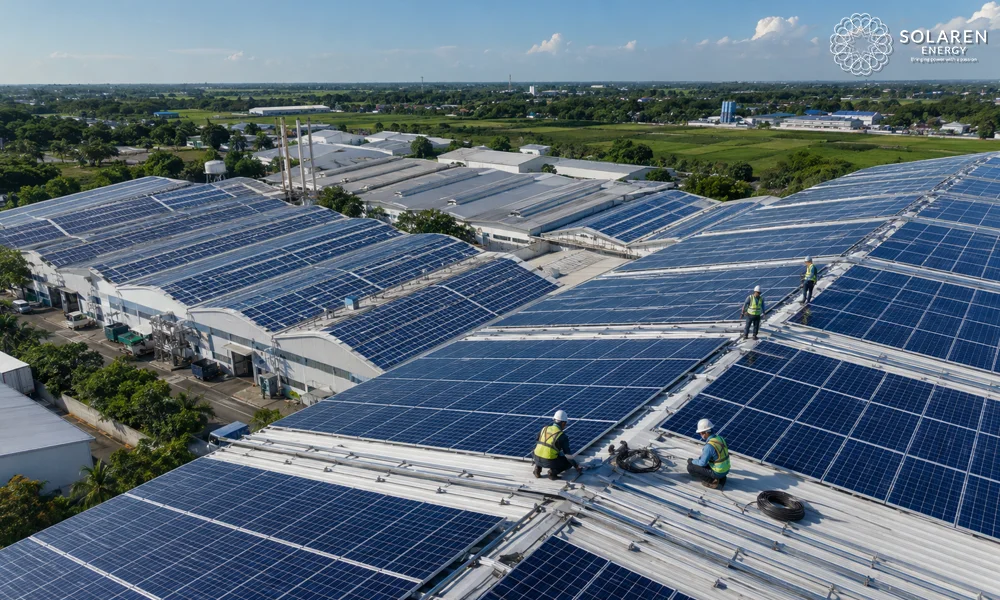
A full-service EPC provider covers the complete project lifecycle. That means technical system design based on your actual load profile and site conditions, procurement of panels, inverters, mounting systems, and all associated electrical components, construction and installation to regulatory standards, testing, commissioning, and grid interconnection including net metering applications and Distribution Impact Studies.
The best EPC firms do more than build. They act as the single point of accountability across every workstream, managing permits, utility coordination, and post-installation support so that your internal teams remain focused on operations rather than project administration.
Why Local Experience Is Not Optional
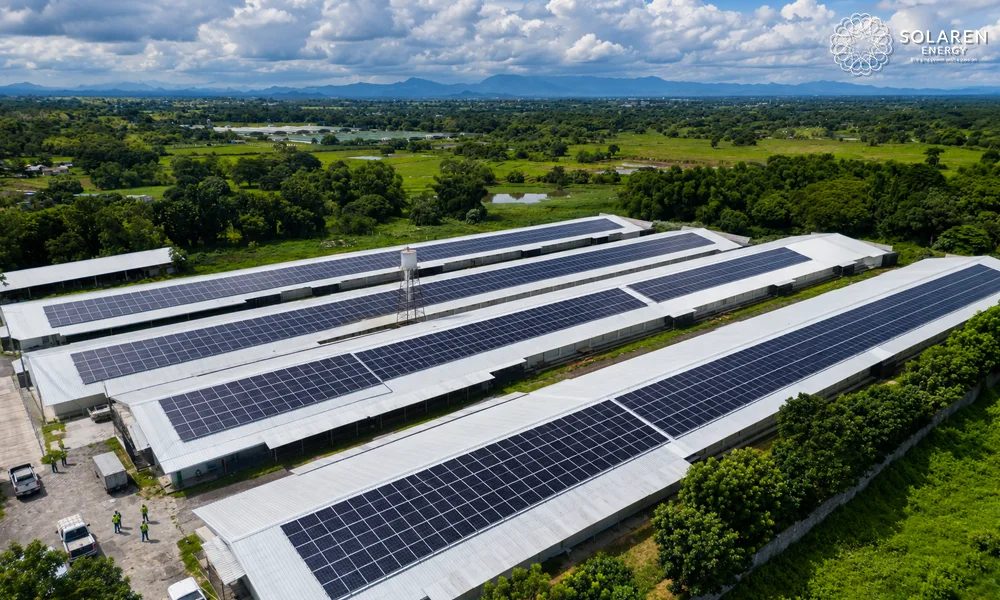
Solar construction in the Philippines involves a specific combination of engineering, logistics, and regulatory coordination that cannot be replicated by a firm without a genuine local presence. Roof loading requirements vary. Typhoon wind load standards are non-negotiable. Utility interconnection rules differ between distribution utilities, and the administrative requirements for net metering and grid connection vary in ways that only become apparent once a project is underway.
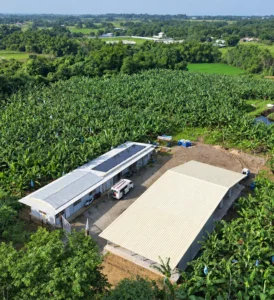
A strong solar EPC Philippines provider will have delivered projects across varied site conditions, from warehouse rooftops in industrial zones to ground-mounted systems in provincial locations, and will have established working relationships with the distribution utilities in your area. That local knowledge shortens timelines, reduces the risk of costly rework, and means your project is less likely to stall in an interconnection queue.
What Separates a Strong EPC Partner from the Rest
Proven Track Record Across Comparable Projects
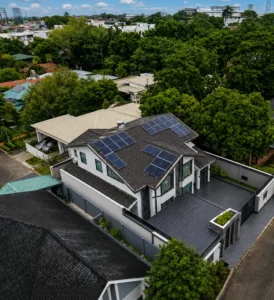
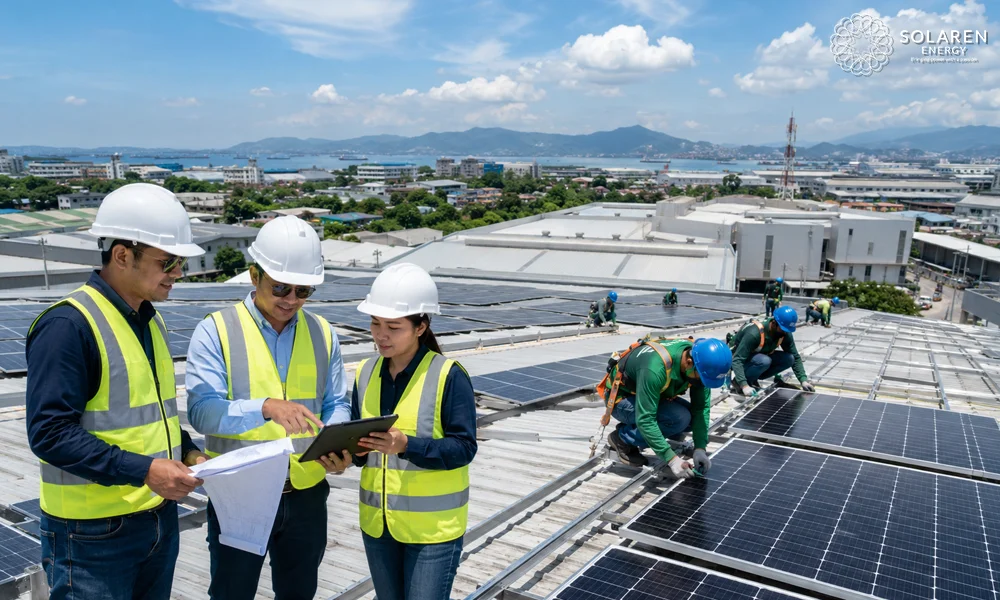
Ask for completed project references in industries similar to yours, and ask specifically about projects of comparable scale and complexity. A firm with extensive residential experience is not the same as one with a deep portfolio of commercial solar energy systems. Accredited engineers and installers, DOE accreditation, and PCAB licensing are baseline requirements, not differentiators. What differentiates a strong EPC is documented performance across real projects with real clients.
Integrated Engineering and Construction
Top solar EPC firms keep engineering and construction under the same roof. When the design team and the installation crew operate as a single unit, problems identified on site are resolved without the delays and finger-pointing that come with subcontracted arrangements. Ask whether the firm uses its own engineers and installers or relies on third-party subcontractors for critical workstreams.
Customized System Design
No credible EPC should be quoting you a standard package without first conducting a site survey and reviewing your energy consumption data. Customised energy solutions require a detailed analysis of your load profile, peak demand windows, power factor, roof structure, and financial objectives. If a firm is producing a proposal within 24 hours of first contact without requesting your bills or visiting your site, the proposal is not serious.
Procurement and Equipment Standards
The EPC controls what goes into your system. Their vendor relationships, sourcing discipline, and quality standards will determine what you are actually buying, regardless of what the specification document says. Ask for the specific panel brands and models being proposed, confirm they are from Tier 1 manufacturers with proven bankability, and ask about inverter warranties and battery certifications if storage is part of the scope.
Mounting systems in the Philippines must be rated for typhoon wind loads. This is not a detail to review after the fact. A reliable solar panel supplier in the Philippines integrated into the EPC’s procurement network ensures faster delivery, consistent quality control, and more robust after-sales warranty support than a firm sourcing opportunistically from multiple suppliers.
Construction Standards and Timeline Realism
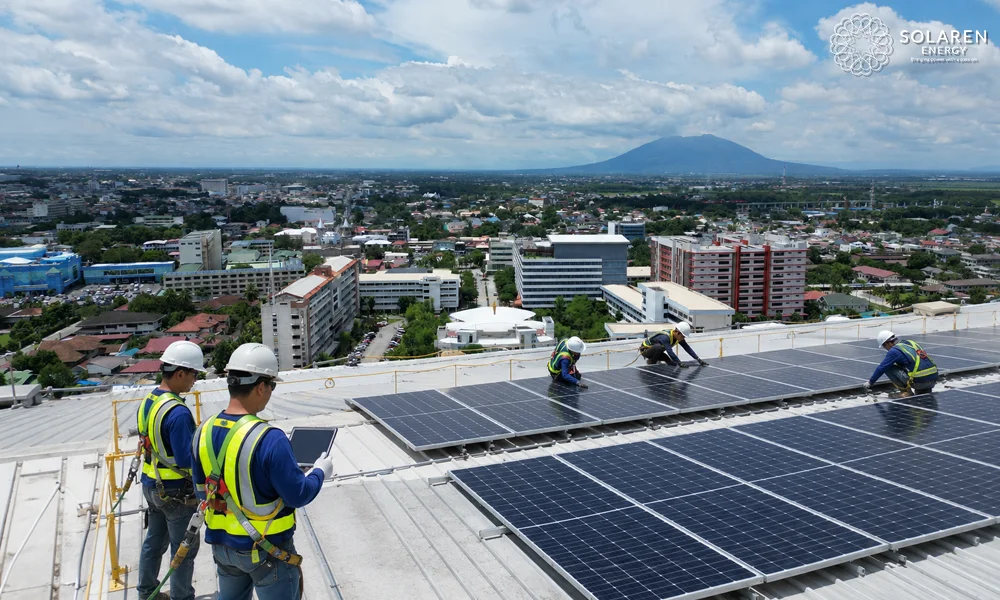
A qualified solar EPC Philippines firm follows Department of Energy regulations, Philippine Electrical Code requirements, and international safety protocols for elevated work. Proper PPE, certified labour, and structural compliance are not optional on a commercial rooftop.
Typical installation timelines for commercial solar energy systems range from 60 to 120 days, depending on system size, site complexity, and utility interconnection timelines. Delays are most commonly caused by inexperienced subcontractors, permitting errors, or poor coordination with the distribution utility. All three are avoidable with the right EPC. Ask how the firm manages interconnection applications and what their track record looks like on project timelines relative to original schedules.
Multi-Site Rollouts: A Different Level of Complexity
Businesses operating across multiple locations face a distinct set of challenges that single-site project experience does not prepare an EPC for. Coordinating simultaneous or sequential installations across different sites, different distribution utilities, and different structural conditions requires project management capability that goes well beyond what most smaller EPCs can deliver.
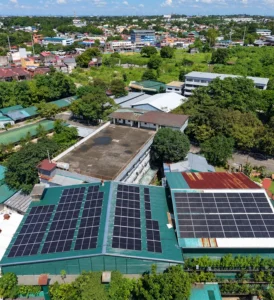
Solaren has completed multi-site solar rollouts for clients including Bench, Oishi, BHF, and Megasavers, managing engineering, procurement, construction, and regulatory compliance across each location under a single coordinated programme. A full overview of completed projects across sectors is available here. For businesses considering a phased or simultaneous multi-site programme, the EPC’s ability to maintain consistent quality and timeline discipline across locations is the critical selection criterion.
What Happens After Installation
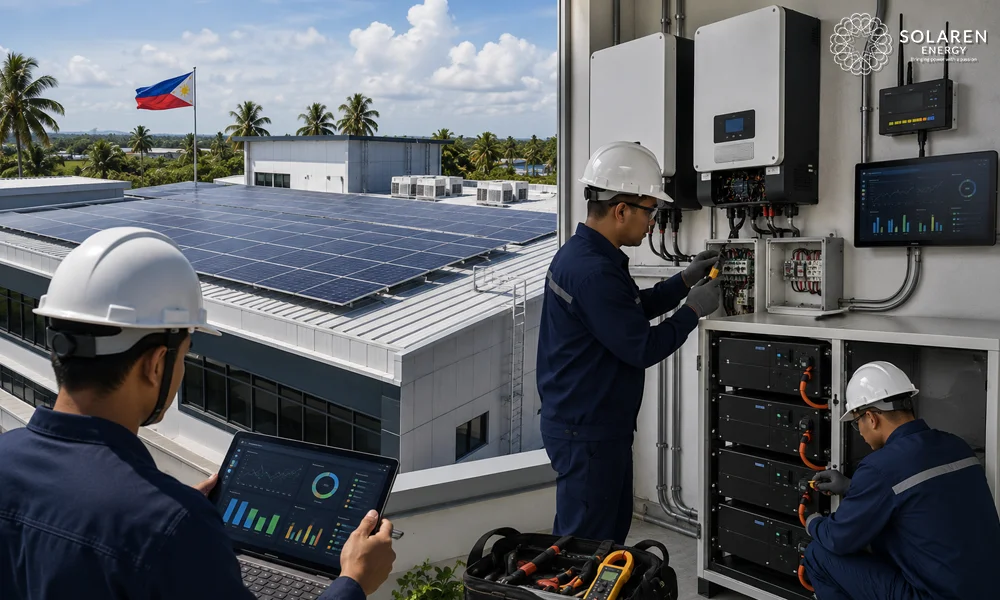
A professional EPC does not disappear after commissioning. Ongoing performance monitoring, routine preventive maintenance, fault response, and inverter health checks are all part of a responsible post-installation service model. Remote monitoring should provide real-time visibility into system output, self-consumption rates, and any performance anomalies, without requiring you to call anyone to find out how your system is performing.
For hybrid systems with battery storage, battery health reporting and charge cycle management are additional service requirements. Ask what the sustainable energy services offering looks like in practice, what the response time commitment is for faults, and whether the firm has a local technical team capable of attending the site within a reasonable timeframe.
Red Flags to Watch For
Avoid EPC firms that cannot provide local project references at a comparable scale. Be cautious of firms that produce proposals without a site visit or without reviewing your energy bills. Question any EPC that cannot explain their ROI assumptions in plain terms, or that has no structured post-commissioning maintenance programme. In a market where the number of providers has grown quickly, the gap between credible and non-credible firms is significant and not always obvious from a website or a sales presentation.
Choosing a Partner, Not Just a Contractor
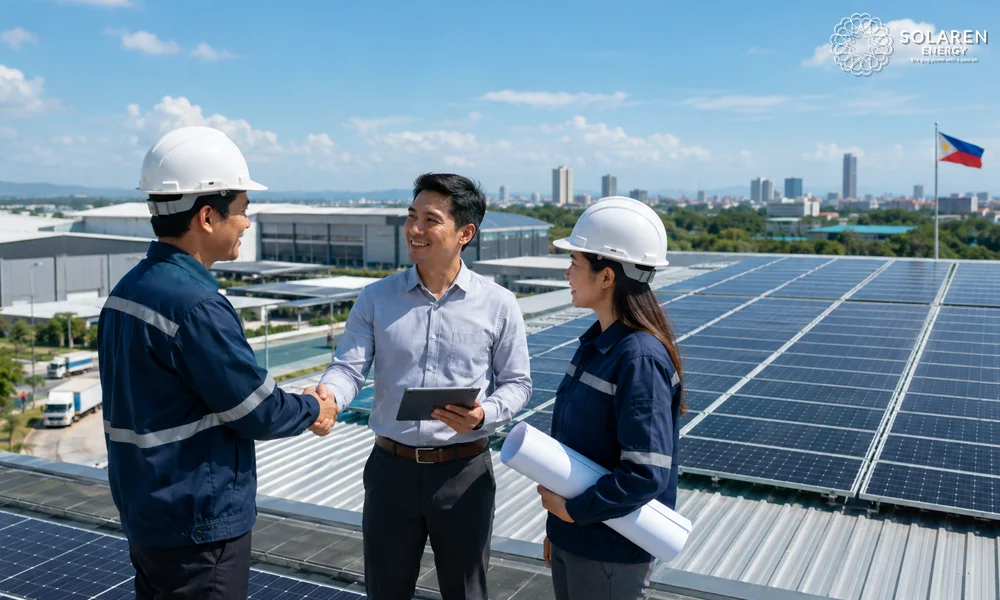
A solar system is a 20-year asset. The firm you select to build it will also be the firm you rely on when something needs attention a decade from now. That relationship dynamic should inform the selection process from the start. The right solar EPC Philippines partner brings technical capability, project discipline, regulatory knowledge, and a genuine commitment to long-term performance, not just a competitive price on installation day.
Solaren Renewable Energy Solutions Corporation is a DOE-accredited, PCAB-licensed solar EPC company headquartered in Tarlac, Philippines. With over 2,500 commercial and industrial installations completed across more than 85 megawatts of capacity, Solaren serves clients across manufacturing, food service, retail, logistics, and public infrastructure. To discuss your project requirements, contact the team at sales@solaren-power.com or visit solaren-power.com.
Frequently Asked Questions

-
Q: What does EPC stand for in solar energy?
EPC stands for Engineering, Procurement, and Construction. A solar EPC company takes full responsibility for designing your system, sourcing all equipment, and completing the installation to a commissioned, grid-connected state. The EPC model gives the client a single point of accountability across the entire project rather than managing separate engineering, supply, and construction contracts.
-
Q: How do I choose a solar EPC company in the Philippines?
Start with credentials: DOE accreditation and PCAB licensing are the baseline requirements. Then look for a track record of completed projects at comparable scale in your industry, a structured site survey and load analysis process before any proposal is produced, and a clear post-installation service model. Ask specifically about their experience with utility interconnection and net metering applications in your distribution utility’s franchise area.
-
Q: How long does a commercial solar installation take in the Philippines?
For most commercial solar energy systems, installation timelines range from 60 to 120 days from contract signing to commissioning. The main variables are system size, structural complexity, and the processing time for net metering and grid interconnection applications with your distribution utility. An experienced EPC with established utility relationships will typically achieve shorter interconnection timelines than a firm working through that process for the first time.
-
Q: Can one EPC manage solar installations across multiple sites?
Yes, but multi-site rollouts require a level of project management capability that not all EPC firms possess. Coordinating simultaneous or sequential installations across different locations, different utilities, and different structural conditions demands dedicated programme management, consistent quality control across sites, and the engineering and procurement depth to keep multiple workstreams moving in parallel. Ask for specific references from multi-site clients before assuming this capability exists.
-
Q: What should be included in an EPC contract for solar?
A well-structured solar EPC contract should cover the full system specification, including equipment brands and models, performance warranties, installation timeline with milestone payments, commissioning and testing procedures, net metering application responsibility, post-commissioning maintenance terms, and fault response commitments. Equipment warranties should be clearly attributed to manufacturers rather than the EPC alone, and the contract should specify what happens if equipment is discontinued or a manufacturer exits the market.